

























































Texas animal-health officials have turned New World screwworm from a border threat into something residents can check county by county. As of Tuesday, the state’s tracker listed confirmed cases at 34 premises in 15 counties, while a broader set of counties remains under animal-movement restrictions.
The Texas Parks and Wildlife Department urged Texans Tuesday to check its county map for confirmed detections, review signs of infestations in pets, wildlife and livestock, and learn where to report suspected cases. The reminder comes as officials continue a statewide response after the first Texas case was confirmed in a Zavala County calf on June 3.
Texas’ Case Map Is Smaller Than Its Restriction Map
The Texas Animal Health Commission says 15 counties have confirmed cases across 34 premises, with individual animal information tracked through the USDA’s confirmed-detections dashboard. The calf that sparked the Texas response has recovered and its individual case is now considered inactive, but active infested zones can remain in place after an animal case is closed.
Parts of 23 counties are currently covered by New World screwworm movement restrictions: Bandera, Brewster, Coke, Crockett, Edwards, Gillespie, Jim Hogg, Kerr, Kimble, La Salle, Medina, Pecos, Presidio, Schleicher, Starr, Sutton, Terrell, Tom Green, Uvalde, Val Verde, Webb, Zapata and Zavala, according to the Texas Animal Health Commission. That broader list is not identical to the 15-county confirmed-case count, so checking the current map matters before moving warm-blooded animals.
What New World Screwworm Looks Like
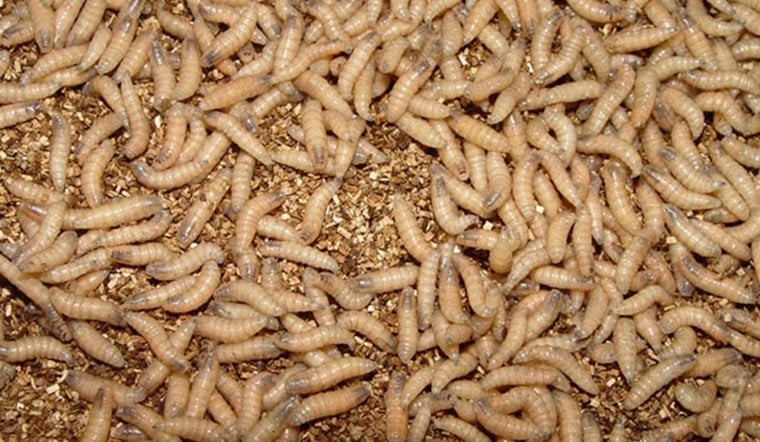
Despite the name, New World screwworm is not a worm but the larval stage of a parasitic fly. The flies lay eggs in open wounds or body openings, and the larvae burrow into and eat living tissue, unlike ordinary maggots that feed on dead material.
Watch for open sores containing live maggots, a foul or rotting odor, worsening wounds, head-shaking or unusual irritation in animals. The Texas Parks and Wildlife Department says small wounds can include cuts, scrapes, insect bites, tick bites, and management-related injuries such as branding, tagging, or castration.
How To Report A Suspected Infestation
For livestock and exotic animals, call the Texas Animal Health Commission at 1-800-550-8242, including after hours and on weekends; wildlife reports can go to TPWD at 512-389-4505, and pet owners should contact a veterinarian. Texas A&M AgriLife Extension advises reporting suspected cases immediately rather than waiting for certainty, because early detection helps limit spread.
People should contact a healthcare provider immediately if they see or feel larvae in a wound, the Centers for Disease Control and Prevention says. The current public risk remains very low, and no locally acquired human infestations have been reported in the United States, but officials say people should keep wounds clean and covered and should not try to remove or dispose of larvae themselves.
Texas Is Already Using Its Eradication Playbook
The state and federal response includes surveillance, animal-movement controls and ground and aerial releases of sterile flies, a method Texas used to eradicate screwworm from the United States in 1966. Governor Greg Abbott also activated the State Operations Center at an escalated-response level and directed multiple agencies to coordinate the effort.
That strategy includes a major sterile-fly production project in South Texas, a federal effort previously covered by Hoodline. For Texans outside the currently listed counties, the message is still the same: check animals regularly, treat wounds promptly, and report anything suspicious before a small injury becomes a much bigger problem.





