

























































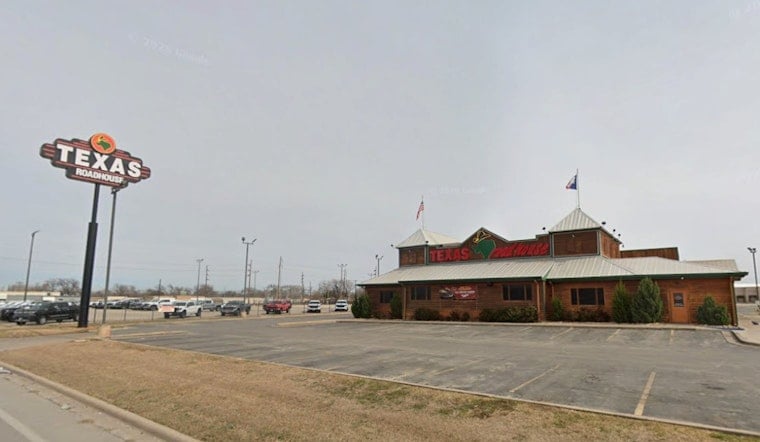
A viral claim accusing Texas Roadhouse servers of intentionally tampering with food served to Black customers has spread across TikTok, X and Instagram this week, prompting calls for boycotts even as the company says it has found no evidence connecting the allegations to any of its restaurants. The rumor traces back to a Facebook screenshot claiming that members of a group called “White and Proud” discussed targeting Black diners, and it did not identify a specific location, city or restaurant.
According to KFOX, the original Facebook post appears to have since been deleted, though screenshots and videos of the claim continue circulating online. Texas Roadhouse told the station the accusation toward its restaurants is completely unfounded and that it does not tolerate discrimination, harassment or mistreatment of any kind. The company said it is investigating the alleged behavior and has brought in a third-party firm to help find the source of the original allegation, adding that it is committed to treating every guest with respect, dignity and legendary service.
The screenshot also named Logan's Roadhouse as part of the alleged server group, claiming it included more than 400,000 members, though no evidence has connected Logan's Roadhouse to any food tampering and the chain had not issued a public statement as of yesterday, per the Black Information Network. Texas Roadhouse issued its statement on the claims Sunday, but corporate representatives did not respond to KFOX's request for further clarification.
Amplifier Walks Back Post After Finding No Evidence
The claim's reach exploded after amplification on social media, with one clip drawing more than 1.5 million views on TikTok and thousands of reposts. The Black Information Network reported that X user @yannaarose_, who helped spread the post, publicly retracted it hours later, saying she first saw the clip on Instagram while scrolling and only afterward realized her research turned up no supporting evidence that it was real.
Texas Roadhouse pointed to its kitchen procedures as evidence against the tampering claims. Per Snopes, the company said its locations use a “Manager in the Window” system in which prepared meals pass directly from kitchen staff to an expo manager, who inspects food quality and safety before any order reaches a table.
Abilene Location Caught in the Crossfire
KFOX visited a Texas Roadhouse in Abilene, Texas, where a host said business was pretty slow, though it remained unclear whether the viral post was actually behind the slower day. No evidence has connected the Abilene restaurant to the allegations, and the viral post never identified that location or any other specific Texas Roadhouse. A manager at the Abilene restaurant declined to speak on camera and referred questions to the company's corporate office.
What the Law Says About Food Tampering and Hoaxes
The stakes behind viral food-safety claims are not just reputational. Under 18 U.S. Code § 1365, intentionally tampering with consumer products, or knowingly making false allegations of product contamination affecting interstate commerce, is a federal felony, according to Pharmacy Times. The statute carries penalties ranging from five to 20 years in prison, or up to life imprisonment if a death results.
If the underlying allegations of racial discrimination against customers were ever substantiated, they would implicate Title II of the Civil Rights Act of 1964, which prohibits discrimination based on race, color, religion or national origin in places of public accommodation, according to the U.S. Department of Justice. That law guarantees restaurant patrons the right to full and equal enjoyment of goods and services. Comparable cases have carried steep costs for national chains: Cracker Barrel Old Country Store reached an $8.7 million settlement under Title II and Title VII of the Civil Rights Act over allegations of discriminatory seating, service and employment practices, according to Sanford Heisler Sharp McKnight, LLP.
A Company With Past Federal Settlements
Texas Roadhouse has faced federal civil rights enforcement before, though in employment rather than customer-service contexts. In March 2017, the company agreed to pay $12 million to settle a nationwide age discrimination lawsuit brought by the U.S. Equal Employment Opportunity Commission over allegations it systematically refused to hire front-of-house applicants age 40 and older, according to the U.S. Equal Employment Opportunity Commission. In September 2016, a Texas Roadhouse franchisee and management company separately paid $1.4 million to resolve an EEOC sexual harassment and retaliation suit involving female servers and teen hostesses at a Columbus, Ohio location. More recently, PacerMonitor records show an employment discrimination complaint, Branch v. Texas Roadhouse, was filed in May 2026 in the U.S. District Court for the Middle District of North Carolina.
Founded in 1993 in Clarksville, Indiana, by Kent Taylor, Texas Roadhouse has grown into a national chain with more than 600 casual dining steakhouse locations across the United States and international markets, according to Hoodline. The company continues to expand rapidly even as it navigates the fallout from the unverified claims, with no verified evidence so far tying the viral allegations to any employee at any of its restaurants.





