

























































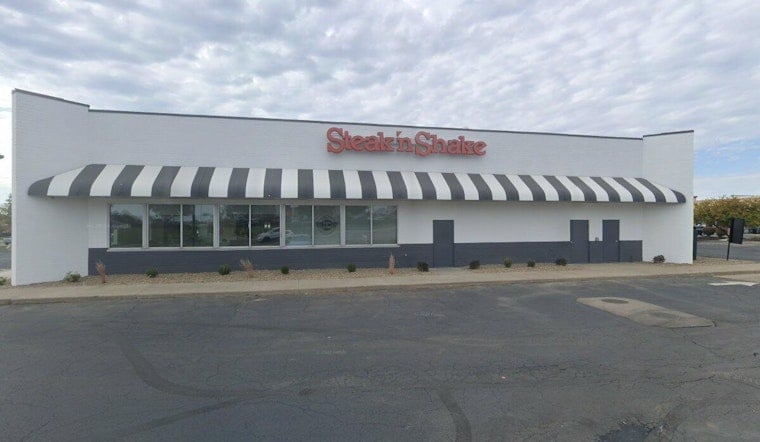
A 2-year-old boy suffered a deep puncture wound to his leg after a pit bull attacked him without warning in the parking lot of a Kansas City Steak 'n Shake, according to a lawsuit filed on his family's behalf. The child, identified in court filings only as E.A., underwent emergency surgery at Children's Mercy after the June 19 attack, and his parents are now seeking unspecified damages from the restaurant's operators.
Sally and Jose Alvarado filed the lawsuit in Clay County Circuit Court on behalf of their son, according to The Kansas City Star. The suit names four Missouri LLCs that own and operate a Steak 'n Shake franchise at 9500 NE Barry Road near the Liberty Triangle. Court documents describe how E.A. exited a car in the restaurant's parking lot alongside his sister and grandmother when a pit bull named Chloe approached the group from behind and bit the toddler's leg, causing what the family's attorneys describe as a deep puncture wound.
The lawsuit alleges the dog was owned by an unhoused couple who were living out of their car in the Steak 'n Shake parking lot, and that restaurant employees knew Chloe was regularly on the property. According to the filing, staff made no effort to have Chloe's owners remove her or move their vehicle, despite the dog being a known presence at the location. E.A. suffered mental anguish and fear as a result of the attack, according to an affidavit cited in the case.
Why the Restaurant, Not Just the Dog's Owners, Is Being Sued
The decision to target the franchise operator rather than pursuing the unhoused couple directly reflects a common legal strategy in premises liability cases. Under Missouri premises liability law, business operators owe customers the highest duty of care to maintain safe commercial premises, and property owners can face civil liability if they knowingly allow a dangerous animal owned by a third party to remain on their grounds, according to legal guidance from the Missouri Injury Law Firm. The lawsuit alleges the defendants knew about the dangerous dog and should have removed her from the property before the attack occurred.
Separately, Missouri operates under a strict liability standard when it comes to dog bites themselves. Under Missouri Revised Statute Section 273.036, dog owners or possessors can be held liable for injuries caused by unprovoked attacks regardless of whether the animal had any prior history of aggression, according to Eng & Woods. That standard eliminates the need for plaintiffs to prove a dog had shown vicious tendencies before an attack, though it applies most directly to the animal's owner or possessor rather than a property owner.
Local Leash Rules and Dangerous Dog Requirements
Kansas City Municipal Code Section 14-33 requires dog owners and handlers to keep animals on a physical leash or under restraint in public spaces, prohibiting dogs from roaming freely off private property, per Apex Injury Attorneys. If Chloe were ever formally declared a dangerous or potentially dangerous dog by the city, Kansas City Animal Health Division guidelines would require her owners to carry between $100,000 and $250,000 in liability insurance or a surety bond, and to keep her muzzled on a leash no longer than four feet in public. Kansas City Animal Services and its operating partner, KC Pet Project, oversee municipal animal control citywide and handle more than 16,000 animals annually.
State law adds another layer of potential consequence. Under Missouri Revised Statute Section 578.024, keeping a dangerous dog that causes serious injury in an attack is a misdemeanor offense, and any dog that causes serious injury or death must be immediately seized and impounded by animal control or county sheriffs. It remains unclear from the lawsuit whether Chloe was seized following the June attack.
Severity of the Injuries and Medical Response
E.A. was treated at Children's Mercy Kansas City, which operates the region's only Pediatric Level I Trauma Center between St. Louis and Denver and regularly handles complex pediatric dog bite trauma requiring emergency surgery and reconstructive care, according to the hospital. The need for emergency surgery underscores the severity of the wound described in the lawsuit.
Dog bite claims of this severity carry significant financial weight nationally. In 2025, homeowners' insurance carriers across the United States paid out more than $1.86 billion across 28,450 dog-related injury claims, with the national average cost per claim reaching $65,450, according to Eng & Woods. The Alvarado family's suit does not specify a dollar amount sought in damages.
Legal Timeline Still Open for the Family
Because E.A. was a minor at the time of the attack, his family retains an unusually long legal runway. Missouri's tolling provisions extend the standard five-year personal injury statute of limitations for injured minors until they turn 21, allowing claims to be pursued up to age 26, according to the Missouri Lawyers resource on the subject. That extended window means the family's decision to file now, rather than later, reflects the family's own timing rather than any legal deadline pressure.
Kansas City's regulatory relationship with pit bulls has shifted in recent years. In August 2020, the city officially repealed its long-standing municipal ban on pit bulls, joining dozens of Midwestern cities that moved from breed-specific bans toward breed-neutral dangerous dog ordinances, according to the American Kennel Club. That policy shift is why Chloe could legally reside within city limits at the time of the attack, though it does not bear on the specific liability questions raised in the Alvarado family's lawsuit.




