

























































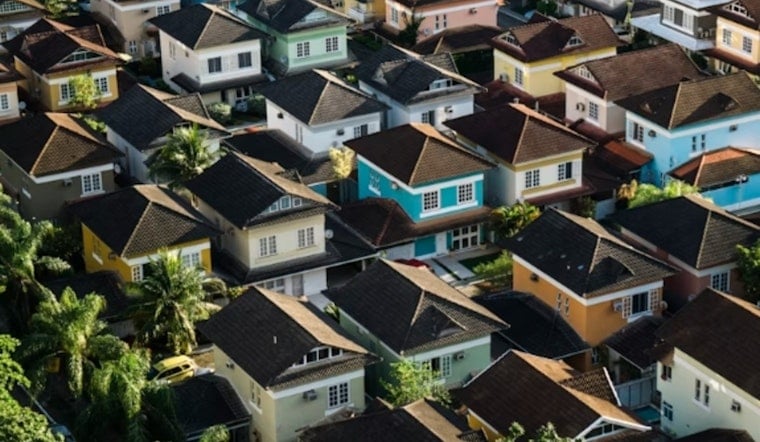
Treasure Coast renters are getting the worst kind of housing-market news: prices are not surging, but they are not meaningfully falling either. In Martin County, residents say rent, food and everyday expenses are squeezing their budgets even as the local rental market settles into an uneasy flatline. For anyone hoping a cooler market would quickly translate into cheaper housing, the relief has yet to arrive.
Residents told WPTV that rent has become difficult to absorb, with one renter saying his monthly cost is three times higher than when he first moved to the area. Another said living independently is nearly impossible once rent, food and pet expenses are added up. Martin County real estate agent Kelley Decowski said rates are currently holding steady rather than skyrocketing or dropping.
Martin County has the highest average rents on the Treasure Coast, ranging from $2,300 to $2,500 per month across all unit types. St. Lucie County averages between $2,100 and $2,300, while Indian River County is lower at roughly $1,650 to $2,200. Those figures include a broad mix of luxury and waterfront properties, private homes and apartment complexes, so the typical renter’s experience can vary sharply by neighborhood and unit.
Flat Does Not Mean Affordable
The Treasure Coast may still look cheaper than Palm Beach or Miami on paper, but local renters say the gap is often only a few hundred dollars. That difference can disappear quickly once transportation, insurance, utilities, groceries and other Florida costs are added to the monthly tab. A market that has stopped climbing is not necessarily a market that working residents can comfortably afford.
Federal benchmarks show a similar regional divide, though they measure something different from advertised rents. HUD’s FY 2026 schedule lists a one-bedroom fair-market rent of $1,467 for the Port St. Lucie area covering Martin and St. Lucie counties, compared with $1,222 for Indian River County. Those figures are used for housing-program calculations and are not rent caps, but they offer a useful snapshot of how costs vary across the region.
The local market’s apparent stability also masks the longer climb that brought rents to this point. The University of Florida’s Shimberg Center reports that Florida’s median gross rent rose from $1,238 in 2019 to $1,719 in 2023, even as the state added more than 240,000 multifamily units. The center also says 904,635 low-income renters pay more than 40% of their income toward housing, underscoring why a flat market can still feel punishing.
More Inventory Could Be The Pressure Valve
Decowski told WPTV that more rental inventory is moving toward the market and could eventually push prices lower, although inflation remains a wildcard. That relief depends on new units reaching the price points renters actually need, not simply adding more high-end or waterfront listings. Until then, Treasure Coast renters appear stuck paying premium prices for a market that is technically no longer racing upward.





