

























































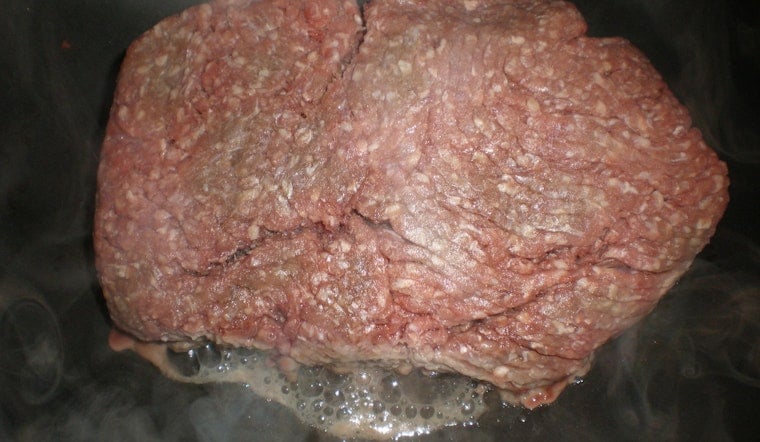
President Donald Trump said he would allow up to 300,000 metric tons of ground beef to be imported without affecting existing tariff quotas, part of a 90-day plan aimed at driving down record grocery prices. Trump said the imported meat would be sold at 25% below current market prices, though he did not say which countries the beef would come from or who had committed to the discounted rates.
The announcement, made in Washington, D.C., was first reported by Reuters. Trump said the deal would reduce prices for Americans while allowing the domestic cattle herd to grow again, though White House representatives did not immediately respond to a request for more details about the arrangement. It's the latest in a string of federal moves to address a beef market that has been squeezed for more than a year.
Why Beef Got So Expensive
The push for cheaper imports comes as the national cattle herd sank to just 86.2 million head in 2026, the smallest inventory since 1951, according to Bureau of Labor Statistics and USDA Economic Research Service data. Multi-year droughts across major ranching states, elevated feed costs, Western wildfires, and U.S. import restrictions on Mexican feeder cattle following a May 2025 screwworm outbreak all forced producers to sell off herds rather than rebuild them.
Retail ground beef prices climbed to between $6.83 and $6.88 per pound by mid-2026, following a December 2025 peak of $6.69 per pound that was the highest recorded since 1980, per Bureau of Labor Statistics figures. Ground beef makes up nearly 48% of all beef Americans eat, and the American Farm Bureau Federation notes that domestic grain-fed cattle produce heavy fat trimmings that processors must blend with leaner imported meat to make standard ground beef — a technical requirement that has made foreign trim essential to the supply chain.
Not The First Move On Imports
Trump's latest plan builds on a February proclamation, titled Ensuring Affordable Beef for the American Consumer, that expanded 2026 tariff-rate quotas by 80,000 metric tons exclusively for Argentina — quadrupling that country's duty-free quota from 20,000 to 100,000 metric tons, according to the Federal Register. Imports were already surging before this latest announcement: the U.S. brought in 562,000 metric tons of beef worth nearly $4.5 billion in the first quarter of 2026 alone, an 18% jump from the year before, with suppliers like Australia and Brazil exceeding their standard quarterly quota rates, per Farm Bureau Intel Markets.
The administration has also leaned on retailers directly. Walmart, the nation's largest grocer, cut ground beef prices by 12% in July following White House pressure on major chains, and the administration has urged other grocers to follow suit, according to Investing.com.
Ranchers Push Back Hard
Producer groups have fought the import expansions at every turn. The National Cattlemen's Beef Association and R-CALF USA have strongly opposed the quota increases, arguing that more foreign beef undercuts American ranchers without guaranteeing lower grocery bills, according to R-CALF USA. The group contends that concentrated meatpacking conglomerates are more likely to pocket the savings than pass them on to shoppers.
The market reaction to earlier announcements has been swift and rough for domestic producers. Federal moves to expand import quotas triggered limit-down trading drops in U.S. cattle futures markets earlier in 2026, prompting Congressional Research Service analysis and congressional debate over the rural economic fallout, per Legis1.
The Herd Won't Rebuild Overnight
The supply crunch has already reshaped meatpacking infrastructure. Historically low cattle inventories forced Tyson Foods and JBS USA to close or idle multiple major U.S. beef plants in mid-2026 due to operating losses and cattle scarcity, with Tyson shutting Illinois and Utah beef plants as JBS closed its Souderton facility near Philadelphia.
Even if the 90-day import easement brings some near-term relief at the meat case, rebuilding a national cattle herd is a slow, biological process that can't be solved with a temporary trade policy shift. Ranchers would need years to rebuild breeding herds decimated by drought and high feed costs, meaning the kind of short-term import relief Trump is proposing functions as a stopgap rather than a lasting fix for the underlying supply shortage.





