

























































Yolanda Herrera was 23 years old when she vanished walking home to Universal City in the early hours of April 11, 1981, after leaving Johnny's Inn in Schertz. Two days later, two children discovered her nude body in a greenbelt off East Aviation Boulevard, her body showing evidence of beating and sexual assault. For 45 years, the case sat unsolved — until DNA collected from underneath her fingernails during her original autopsy finally pointed investigators to a name.
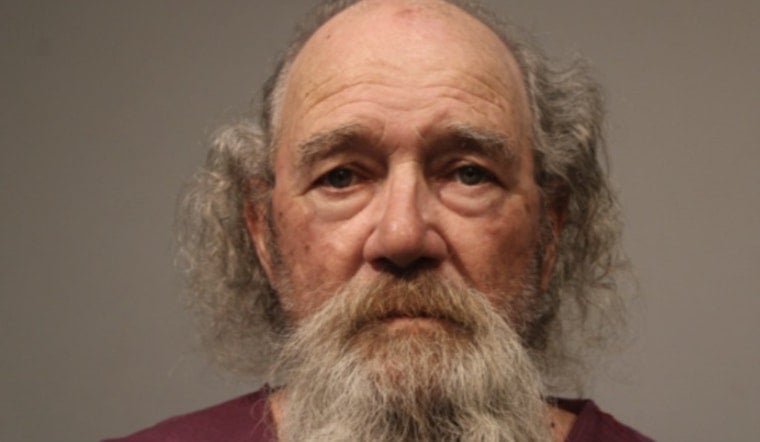
Universal City police announced this week that Kelly Lee Brower Sr., now 68, has been arrested in Cottonwood, Arizona, in connection with Herrera's murder, according to WOAI. Brower was 23 years old at the time of the killing — the same age as Herrera — and lived in Universal City in 1981, according to reporting from Oliver Willis. Investigators say they do not believe Herrera and Brower knew each other.
Corporal Caitlin Brown told WOAI the killing appeared to be a crime of opportunity, with no indication the two had any prior relationship. Assistant Chief Steve Mahalski said the case was never removed from investigators' desks, adding that detectives remained committed to solving it and never gave up on Yolanda or her family, the station reports.
How a 45-Year-Old DNA Sample Finally Talked
Investigators preserved DNA collected from underneath Herrera's fingernails during her 1981 autopsy, but for decades the sample was too small for the testing technology available at the time. In 2021, testing did manage to produce a male DNA profile, per WOAI's reporting, but it turned up no matches in any available databases, leaving investigators without a lead.
Rather than exhaust the tiny remaining sample on repeated tests, investigators waited — a decision that paid off in 2025, when the remaining DNA was sent to Othram Laboratories. Headquartered in The Woodlands, Othram developed Forensic-Grade Genome Sequencing specifically to build genetic profiles from minute or degraded DNA samples that fail standard CODIS searches. The same genetic genealogy technique previously cracked Fort Worth's 1974 abduction and murder of Carla Walker, establishing a template Texas agencies have leaned on for other multi-decade cold cases, according to Othram's own case history.
Genealogical testing on the sample pointed investigators toward the surname Brower, and from there, genetic genealogy led them specifically to Kelly Lee Brower. Investigators interviewed numerous people to collect comparison DNA samples, and authorities obtained Brower's DNA for comparison in October 2025. At that point, they still did not know whether the person connected to the DNA evidence was even alive.
Confession Follows a Trip to Arizona
Authorities eventually tracked Brower to Cottonwood, Arizona, and in 2026, Universal City investigators and Texas Rangers traveled there to interview him. During that interview, Brower confessed, according to WOAI's account of the investigation. His DNA sample matched the profile preserved from Herrera's autopsy, and investigators say that DNA evidence links him to the 45-year-old case.
Brower remains in Arizona and is expected to be brought back to Bexar County to face charges. Under Texas Penal Code § 19.03, murder committed during the commission of aggravated sexual assault is classified as capital murder, according to FindLaw, meaning a conviction would carry either life without parole or the death penalty. Open questions remain about the unrelated Arizona charge that had already put Brower in custody when the DNA match came through, as well as the timeline for his extradition to Bexar County.
State Resources Helped Crack a Suburban Cold Case
Universal City is a small suburban department, and cases like Herrera's often rely on outside help. The Texas Rangers Unsolved Crimes Investigation Program maintains a statewide cold case database and doubled its dedicated cold case unit personnel in 2026 specifically to assist municipal departments working exhausted leads, according to Police1. Federal Sexual Assault Kit Initiative grants — Texas received $1.5 million in fiscal year 2023 — have also helped the state Department of Public Safety fund the kind of advanced DNA testing and genetic genealogy work that made this arrest possible.
The passing decades created a major challenge for the investigation on their own; potential witnesses died before the case could be solved, and the case remained unsolved for years while the DNA technology needed to identify a suspect simply did not yet exist. Corporal Brown said giving Herrera's family an answer after 45 years felt surreal. Following the arrest, Universal City police officers visited Herrera's grave site to share the news of the breakthrough with her memory, according to The Daily News Now.





