

























































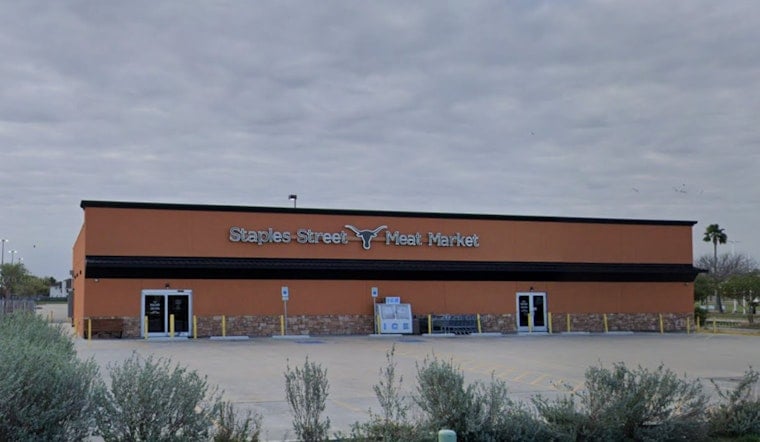
The University of Texas System is taking a family-owned butcher shop in Corpus Christi to federal court over a burnt-orange cattle logo, arguing it too closely mirrors the university's famous Longhorn silhouette. The lawsuit targets Staples Street Meat Market and its owner, Michael Meehan, alleging the shop's branding could mislead customers into thinking the business is tied to the flagship Austin university.
The Board of Regents of The University of Texas System filed the complaint on July 29, 2026, in the U.S. District Court for the Southern District of Texas' Corpus Christi Division, case number 2:26-cv-00222, according to Chron. Court records reviewed by PacerMonitor show the university is pursuing claims under the federal Lanham Act as well as Texas statutory and common law. UT reportedly sent Meehan a demand letter objecting to the logo, then followed up with additional letters before suing, per the same report.
Staples Street Meat Market has operated in Corpus Christi since 2009, growing from a small butcher counter into a full independent grocery store, according to the Better Business Bureau. The family business broke ground on a privately funded, $600,000, 7,700-square-foot facility in Nueces County in 2022, the bureau's records show.
Owner Says the Logo Honors Family Ranching Roots
Meehan told the Houston Chronicle that his son designed the shop's logo to reflect the family's South Texas cattle-ranching heritage, not the university. He said the orange color scheme honors his hometown of Alice, Texas, where the local high school's colors are burnt orange and white. UT representatives declined to comment to media outlets on the pending litigation, per the same outlet.
What the University Claims
In its complaint, UT argues the butcher shop's silhouette logo and orange color scheme could confuse customers into believing Staples Street Meat Market is affiliated with or endorsed by the university. The suit also claims the shop's continued use of the logo after receiving notice of UT's objections weakens the distinctiveness of the school's well-known Longhorn trademark and prevents the university from controlling the quality of goods sold under a similar mark. UT further alleges the business is unfairly benefiting from the university's reputation.
The lawsuit asks the court for a permanent injunction barring the butcher shop from using the logo, along with an order forcing Staples Street Meat Market to remove and destroy any signs, menus, advertisements and promotional materials bearing the design. UT is also seeking the business's profits tied to the logo, money damages, attorney's fees, court costs and any other relief the court deems appropriate.
Six Decades of the Longhorn Silhouette
The Longhorn silhouette at the center of the dispute dates back to 1961, when former UT football player and equipment manager William 'Rooster' Andrews created it at the request of head coach Darrell K Royal, according to The Alcalde. Royal reportedly wanted a minimalist mark that would stand out on the emerging medium of color television, and the logo made its debut on white football helmets during a game against California on September 23, 1961, the outlet reports.
UT's Longhorn silhouette became a federally registered trademark in the 1980s, and the university's marketing and communications office describes it as representing the spirit of the university and as one of the most widely recognized university marks in the world.
The Financial Stakes of Longhorn Branding
UT's trademark licensing program generates more than $15 million a year, and the university ranked as the nation's top-grossing school for collegiate merchandise sales under the Collegiate Licensing Company for nine consecutive years, from 2005 through 2013, according to Alpha Dezine. The program includes hundreds of official licensees selling apparel and other goods bearing university marks, per the same source.
A History of Policing the Brand
This isn't the university's first fight over its visual identity. UT sued Austin's Tower Car Wash in 2011 over a 60-foot replica of the UT Tower, and in 2013 it challenged a United Kingdom-based operator's attempt to trademark the Hook 'em Horns hand gesture, according to Best Law Firms.
In 2006, UT sued an Austin electrical contractor, KST Electric, whose logo paired a longhorn silhouette with the letters 'KST' and a lightning bolt, alleging infringement, dilution and unfair competition. A federal judge ruled in 2008 that UT had enough evidence of potential consumer confusion to proceed on its infringement claim, but that it failed to establish the extremely high level of nationwide fame required to prove federal trademark dilution, according to court records cataloged by CaseMine.
Infringement or Dilution? The Legal Distinction
The two claims work differently under Section 43 of the federal Lanham Act. Trademark infringement requires proving a likelihood that consumers will be confused about a product's origin or endorsement, while dilution allows owners of famous marks to stop unauthorized use that weakens their distinctiveness even without any confusion or direct competition, per the University of Chicago Law Review.
UT has also pressed its case before the U.S. Trademark Trial and Appeal Board. In 2025, per a public settlement agreement, the university opposed Future Longhorn Company's application to trademark a longhorn-head logo, arguing the design infringed UT's trademarked silhouette.
UT's Legal Team and Licensing Rules
UT is represented in the Corpus Christi case by attorney Jered E. Matthysse of Pirkey Barber PLLC, an Austin intellectual property firm that handles trademark enforcement for the university system, according to the UT Austin Office of Brand, Trademarks and Licensing. The office's guidelines require outside businesses to obtain formal licensing agreements before using campus logos or the burnt-orange color scheme on goods or promotional materials.
Whether Staples Street Meat Market's logo crosses the line UT drew in the KST Electric case remains an open question the Corpus Christi federal court will have to sort out. For now, the family butcher shop and the state's most valuable college brand are headed toward the same courtroom that has weighed similar Longhorn disputes before.





