

























































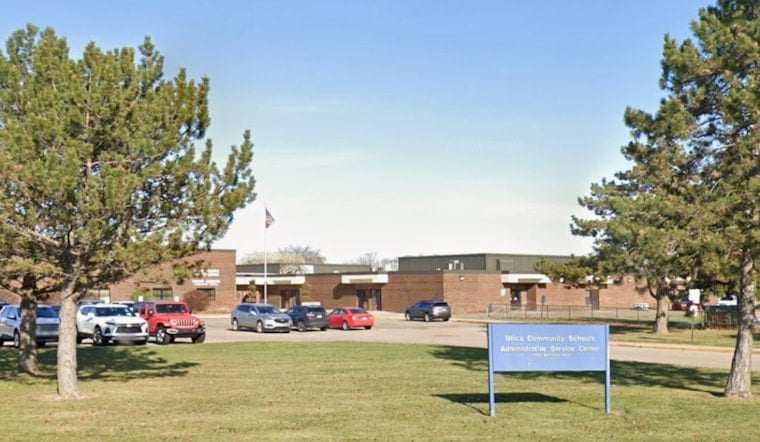
Metro Detroit school districts are opening the 2026-2027 school year short on the one thing that gets kids to class on time: bus drivers. Utica Community Schools alone has between 25 and 30 open bus driver positions, and officials there say the competition for qualified candidates is fierce enough that filling those seats has become an uphill climb.
Brian LaPorte, director of safety and management services at Utica Community Schools, told WXYZ Channel 7 that finding roughly 30 drivers is difficult because candidates have plenty of other driving jobs competing for their attention. He said the start of the school year is always tough because of the shortage, but that schools ultimately get through it and transport children safely. The district is holding a job fair at the end of September to try to close the gap.
Why Michigan Can't Keep Bus Drivers
The shortage isn't unique to Utica. Katrina Morris, executive director of the Michigan Association for Pupil Transportation, said the driver shortage is a problem across the state, and that when drivers call off sick with no replacement available, routes sometimes have to be canceled outright, according to the station's report. LaPorte said a shortage can also mean buses simply run late, leaving parents and students waiting.
Part of the trouble is how long it takes to become legally qualified to drive a bus in Michigan. To operate a standard school bus carrying more than 15 passengers, drivers must obtain a Commercial Driver's License Class B with Passenger and School Bus endorsements, which requires passing five separate written knowledge exams at Secretary of State offices before even starting Entry Level Driver Training, according to Drivergent. Michigan's Pupil Transportation Act also requires every active driver to complete a state-approved entry-level safety course and six hours of continuing education every two years just to keep their certification valid, per the Michigan Department of Education's requirements.
Districts are also fighting a losing battle on pay against other driving jobs. Bus drivers in the region can make between $21 and $28 an hour, per the same account, but that range now has to compete directly with Detroit's municipal transit system. In November 2025, the City of Detroit and union representatives ratified a contract raising Detroit Department of Transportation driver starting pay from $19.56 to $25.38 an hour, according to BridgeDetroit, intensifying the pull on CDL-credentialed workers across Metro Detroit.
State Aid Covers Only a Quarter of Costs
Money from Lansing has helped, but not enough, according to Morris. Michigan has provided $125 million to schools for transportation costs since 2023, marking the state's first dedicated general education pupil transit funding in three decades, according to Clark Hill PLC. That funding is distributed under Section 22l of the State School Aid Act by grouping districts into octiles based on student rider density per square mile to calculate median costs per rider. Morris called the funding a helpful start but said it should be increased, and the seed reporting notes that the $125 million covers only about 25 percent of schools' annual transportation spending.
The pressure on districts to recruit isn't limited to Metro Detroit. A 2024 national survey by HopSkipDrive found that 91% of school district leaders reported experiencing a bus driver shortage, with 60% saying the shortfall forced them to shorten or eliminate routes. A more recent September 2025 study by AP-NORC and HopSkipDrive found 81% of administrators identified driver shortages as a problem in their district, and 83% said school staff had to take time away from their core duties to manage transportation.
A Driver's Perspective From Behind the Wheel
Katie Knowlton, a school bus driver in Utica, said her son reaching school age and dissatisfaction with her previous work schedule led her to take the job. She said the hardest part is multitasking between driving and monitoring the bus, but that her favorite part is getting to know the children and their antics. Reporter Ali Hoxie got behind the wheel of a school bus herself while reporting the story to better understand the job.
Some districts say they're trying to fix the shortage by leaning into culture as much as pay. Officials describe focusing on creating an enjoyable work environment alongside hiring bonuses as a way to draw in candidates, and most schools provide training for new hires rather than requiring drivers to arrive already certified. Morris said anyone interested in becoming a bus driver should contact their local school district directly.
What's at Stake for Families
The consequences of a thin driver roster ripple well beyond the bus loop. A 2024 HopSkipDrive report found 44% of school leaders cited transportation challenges as a key driver of chronic student absenteeism, and a 2025 AP-NORC and HopSkipDrive survey found roughly 20% of parents reported losing employment or reducing work hours because of transportation disruptions and route cuts. Metro Detroit has already seen what an acute shortage can look like: in September 2024, Livonia canceled routes for over 6,000 students across four schools due to a severe driver shortage, Hoodline reported. As the new school year gets underway, districts like Utica are betting that job fairs, bonuses, and modest pay bumps will be enough to avoid repeating that scenario.





