

























































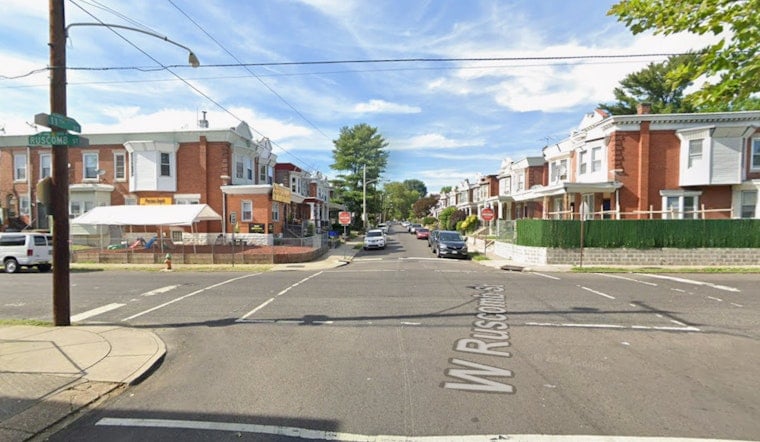
A water main break tore open a large sinkhole near 11th and Ruscomb streets in Philadelphia's Logan neighborhood, forcing the closure of the block as crews worked to assess the damage. The collapse is the latest reminder of just how fragile the ground beneath this stretch of North Philadelphia has become.
The break and resulting sinkhole were reported by CBS News Philadelphia, which confirmed the location near 11th and Ruscomb streets and that a water main failure caused the roadway to give way. It is not the first time this specific corridor has buckled under similar circumstances. In February 2021, a 12-inch water main break on the 5500 block of North 11th Street opened a sinkhole that swallowed an SUV whole, a dramatic precedent that underscores how unstable the ground has historically been just blocks from Wednesday's closure.
A Neighborhood Built on Buried Creek and Ash
Logan's vulnerability to these collapses traces back nearly a century. Much of the neighborhood was developed in the 1920s directly over the piped-and-buried Wingohocking Creek, filled in at the time with as much as 60 feet of unstable coal ash and cinder, according to WHYY. That loose fill later caused roughly 950 homes in the area to sink, prompting the city to begin funding demolitions in the 1980s in what became known as the Logan Triangle.
The creek itself did not simply vanish. In the late 19th century, the Wingohocking was converted into a combined stormwater and sewage line running beneath Logan, complete with a 24-foot-high arch outlet that made it the largest sewer conduit in Philadelphia's entire drainage system, per Wikipedia's entry on the waterway. That massive buried infrastructure, combined with the loose fill above it, means any water main rupture in the area has an outsized chance of hollowing out the street.
An Aging Pipe Network Under Strain
The Logan break is also a symptom of a much larger citywide problem. Philadelphia's water distribution system includes roughly 3,100 miles of underground mains averaging 76 years old, with more than 800 miles over a century old, the same WHYY reporting notes. The city averages about 776 water main breaks a year, with harsh winter freeze-thaw cycles sometimes pushing monthly totals above 175 breaks, according to figures cited by WHYY.
Chronic leakage compounds the problem even without a dramatic break. An estimated 60 million gallons of treated drinking water seep out of Philadelphia's underground pipes every day, nearly 24 percent of the 250 million gallons pumped daily from the Delaware and Schuylkill rivers, per WHYY's earlier reporting. That constant underground erosion means loose soil, like the fill beneath Logan, is often already compromised before a main even bursts.
City Repair Timelines and Funding Push
The Philadelphia Water Department has set a goal of scaling up its main replacement rate to 42 miles per year by 2026, up from a historical pace of about 19 miles annually, the agency's targets show. Some of that acceleration is expected to draw on the federal Infrastructure Investment and Jobs Act, which allocated $55 billion nationwide for drinking water and clean water infrastructure when it passed in November 2021, supplying grant funds that Philadelphia can tap to replace legacy pipes.
Per the Philadelphia Water Department's own procedures, emergency crews generally aim to isolate a main break and complete pipe repairs within six to 12 hours, after which permanent asphalt repaving and street restoration is handed off to the Philadelphia Streets Department. That handoff has become a familiar sticking point for residents across the city, where temporary metal plates and barricades have been known to sit over sinkhole sites for months, as FOX 29 Philadelphia has reported.
Part of a Citywide Pattern
Logan's new closure joins a string of similar collapses Hoodline has tracked across Philadelphia neighborhoods this year alone, including sinkholes that shut a Port Richmond block in July after water and sewer line damage, and another that left residents on South 23rd Street in South Philadelphia dealing with lingering closures and lost parking after an initial washout. A Kensington collapse in March even swallowed a Water Department truck following repeat main breaks on Frankford Avenue, while North Philadelphia residents in May voiced frustration over a metal plate left covering a sinkhole for an extended stretch.
For now, it remains unclear how long the street near 11th and Ruscomb will stay closed while crews complete repairs and evaluate the extent of the washout beneath the roadway. Given Logan's history with unstable fill and the citywide backlog between emergency pipe fixes and permanent repaving, neighbors may be watching this stretch of street for some time to come.



