

























































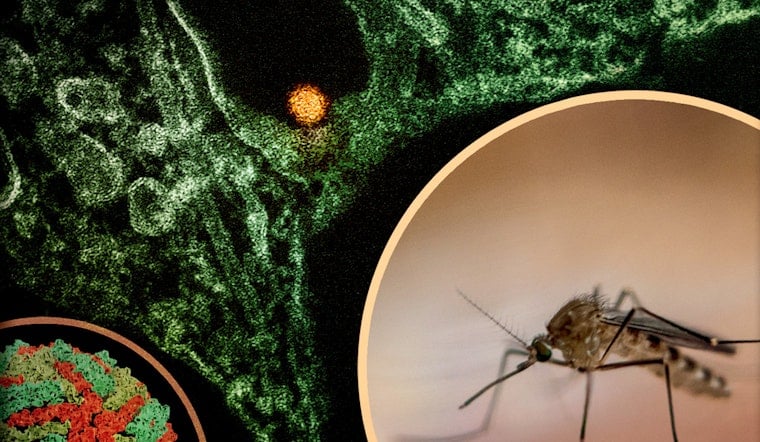
California has recorded its first two West Nile virus deaths of 2026, with both fatalities reported in the Central Valley as mosquito activity continues spreading across the state. One victim was a Lemoore resident in Kings County, while the other was in southern Glenn County.
According to The Sacramento Bee, the Lemoore resident became infected on July 20 and died about two weeks later. Glenn County officials announced a fatal West Nile case but released no additional identifying information about the deceased.
The California West Nile Virus Program listed 11 human infections from seven counties through July 31, along with 1,464 positive mosquito samples, 288 positive dead birds, 12 infected sentinel chickens and three horses. Six new human cases were reported during the final week of July, including infections in Butte, Kings, Santa Clara and Tulare counties.
West Nile Activity Arrived Early This Year
The season had already been showing warning signs before the deaths were announced. In May, Hoodline reported Sacramento’s first positive mosquito of the year, as officials cautioned that virus activity appeared to be starting earlier than usual.
Surveillance numbers are preliminary and may not capture the most recent local developments. The Centers for Disease Control and Prevention says state and local health departments can have more current information because reporting to the national database may lag.
Most people infected with West Nile virus do not develop symptoms, while about 20% experience a flu-like illness, according to the CDC’s clinical guidance. Less than 1% develop neuroinvasive disease such as encephalitis or meningitis, but about 10% of patients with that severe form die; older adults and people with conditions including diabetes, hypertension or weakened immune systems face greater risks.
Health Officials Urge Mosquito-Bite Precautions
The state’s West Nile program is urging Californians to use EPA-approved insect repellent, avoid outdoor activity around dawn and dusk, keep window and door screens in good repair, and drain standing water around homes. That includes water in pet dishes, flowerpots, buckets and neglected pools, where mosquitoes can breed.
People who develop high fever, neck stiffness, confusion, tremors or muscle weakness after possible mosquito exposure should seek immediate medical care. There is no specific treatment for West Nile virus, so preventing bites remains the most direct way to reduce the risk.





