

























































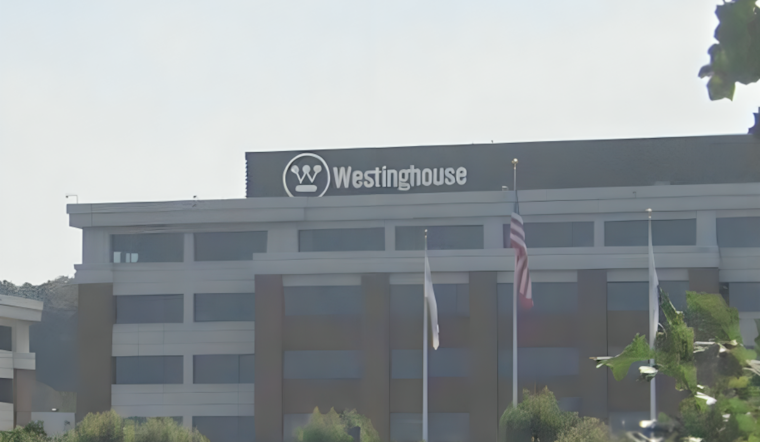
A Pennsylvania nuclear heavyweight and a Chantilly-based engineering contractor are trying to make reactor construction look less like a bespoke mega-project and more like a repeatable production line. Westinghouse Electric Company and Amentum announced a series of agreements Tuesday to expand delivery capacity for Westinghouse's APX platform, covering both the AP1000 reactor and the smaller AP300 design.
According to Voice of Alexandria, the deal announced in Cranberry Township will have Amentum bolster Westinghouse's engineering, execution and industrial-base capabilities for repeat APX deployments. The companies also plan to work with the U.S. Nuclear Regulatory Commission on AP300 licensing, while Westinghouse CEO Dan Sumner and Amentum CEO John Heller described the partnership as a way to meet demand for steady, large-scale power.
Westinghouse's APX business is the company's new-plant arm, responsible for deploying AP1000 projects around the world with a repeatable delivery model, according to a recent Westinghouse Q&A. The strategy draws on AP1000 engineering, components, licensing approaches, fuel design and supply-chain relationships, with the AP300 extending that playbook into a smaller reactor format.
What The Partnership Changes
The announcement is more about delivery machinery than a new reactor order. Amentum is expected to help coordinate the engineering, industrial-base and execution work needed to deliver 1-gigawatt-class AP1000 plants repeatedly, while the companies collaborate on the regulatory path for AP300.
That distinction matters because the material describes a framework for future deployments, not a construction award for a named site. No reactor location, project price or commercial operating date was announced, leaving the deal's payoff tied to future customers, regulatory approvals and the companies' ability to turn standardization into actual schedule savings.
AP300 Remains In The Licensing Lane
The Nuclear Regulatory Commission says it is still conducting pre-application activities with Westinghouse for a future AP300 design-certification application. The agency describes the reactor as a 300-megawatt-class, Generation III+ one-loop pressurized-water reactor based on AP1000 components, technology and licensing, and lists a June 2026 update to Westinghouse's regulatory engagement plan.
Why The Timing Matters In 2026
The partnership arrives as Westinghouse tries to build a U.S. pipeline rather than sell isolated projects. In June, the company said the Energy Department's American Nuclear Supply Chain Loans program had conditionally committed $17.5 billion in obligated funds to finance long-lead items for up to 10 AP1000 units, a move Westinghouse said could cut deployment timelines by as much as three years in its June supply-chain plan.
Amentum brings a different kind of scale: The company's official profile says it has approximately 50,000 employees in more than 70 countries and works across engineering, project management, energy and environmental missions. Its headquarters move and broader expansion have made Chantilly a visible base for a company now positioning itself as a global delivery partner, according to Amentum.
For Cranberry Township and Chantilly, the immediate takeaway is not a new plant landing in either community. It is a bet that the next phase of nuclear growth will reward companies that can industrialize design, licensing and supply chains before the concrete is poured—an unglamorous part of the nuclear comeback, but probably the part that decides whether the comeback actually scales.





