

























































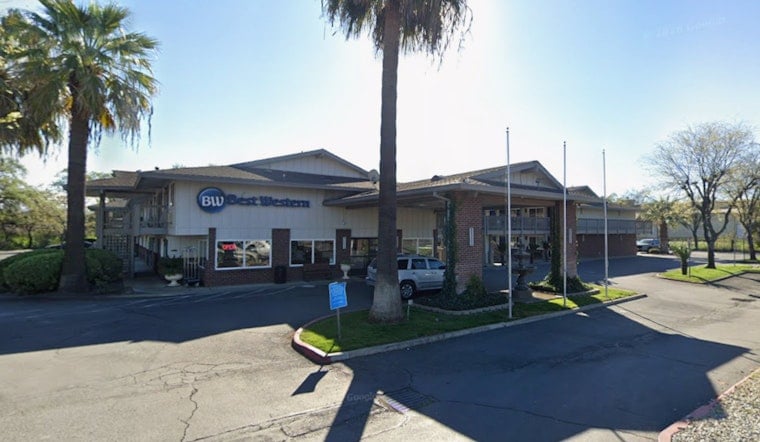
The company behind the Best Western Shadow Inn in Woodland must pay the city more than $1 million in unpaid hotel taxes, late fees, interest and a fraud penalty, after officials determined it collected room taxes from guests but spent the money elsewhere instead of turning it over to the city. Shadow Oaks Hospitality Inc., which operates the 119-room hotel at 584 N. East St., made only three monthly payments between May 2023 and June 2026 and has made none at all since October 2023.
The Woodland City Council voted 4-0 on August 4 to uphold the full assessment against Shadow Oaks Hospitality following a special meeting called specifically to hear the company's appeal, according to a City of Woodland announcement. As reported by the Sacramento Bee, the hotel operator missed more than 30 monthly payments to the city and a local tourism business improvement district, with one payment even returned for insufficient funds.
Under Chapter 3.12 of Woodland's municipal code, hotel operators must collect a 10% transient occupancy tax on room rates for stays under 30 days and remit it to the city every month, per city code documentation. That rate sits below neighboring Davis, which charges a 12% transient occupancy tax on short-term stays, according to a regional tax comparison. The Sacramento Bee's reporting shows Shadow Oaks Hospitality owes about $695,580 in unpaid taxes and assessments, more than $141,700 in late payment fees, roughly $78,000 in interest, and about $124,000 to Yolo County under a tax-sharing agreement.
City Says Withholding Was Deliberate, Not Just Late
On top of those figures, the council levied a 25% fraud penalty of $173,895 against the company, a step Woodland Administrative Services Director Kim McKinney's office said was appropriate because Shadow Oaks Hospitality collected the taxes from customers and knowingly withheld them from the city, the Sacramento Bee's account states. McKinney said the hotel operator had received no payment from the city for almost three years and, according to the same reporting, admitted it took the city's money and spent it on other things.
That kind of fraud penalty is not unique to Woodland. Cities including Mill Valley, Goleta and San Diego apply similar 25% fraud penalties when nonpayment of transient occupancy taxes is found to be intentional, according to City of Goleta tax enforcement rules. Those penalties generally require showing that funds were collected under color of law but deliberately kept from the municipality rather than simply paid late.
Shadow Oaks Hospitality also failed to file some required tax and assessment returns on time and did not file the required returns covering January through July of this year, meaning the taxes due for those months could not be calculated from available information, the outlet's reporting notes. The company did not dispute the city's calculation of outstanding taxes and assessments, instead filing its July appeal specifically to challenge the 25% fraud penalty.
Hotel Cited Renovation Delays and Rising Loan Costs
The company cited financial hardship in response to city inquiries, pointing to increased lending costs, higher utility expenses, and broader economic factors. Its loan interest rate climbed from about 6% to roughly 15%, and renovation problems left many hotel rooms out of service for an extended period, with about half the property's 119 rooms unavailable at one point. Built in 1980 and renovated in 2018, the two-story hotel sits just off Interstate 5, according to Business Travel News.
The hotel is also a key piece of Woodland's tourism infrastructure. It has served as a primary host property for the annual Sacramento Valley Scottish Games & Gathering and the Yolo County Fair, and it draws visitors tied to nearby agricultural research operations including Alforex Seed and Bayer/Monsanto, according to Hotel Planner. Beyond the standard room tax, the Woodland Tourism Business Improvement District, created in 2022, charges hotels an additional 2% assessment earmarked for regional marketing and destination promotion. Shadow Oaks Hospitality owed a similar amount to that district as it did to the city itself, the Sacramento Bee reported, and that assessment is also paid monthly.
Why the Missing Revenue Matters for City Services
Woodland has shown leniency before: the city previously enacted urgency ordinances temporarily suspending penalty and interest enforcement under municipal code sections covering the tax during past economic emergencies, in order to support struggling hotel operators. This time, officials drew a distinction between hardship and the intentional diversion of customer funds already collected under color of law.
The stakes for city coffers are real. In Woodland, only about 13 cents of every local property tax dollar directly funds city operations, according to a City of Woodland breakdown, making excise taxes like the hotel tax critical for funding public safety, road repairs and parks. With the council's 4-0 vote, the debt is now considered a final civil obligation. Under California municipal law, tax determinations upheld by a city council become a final civil debt, giving Woodland the option to pursue civil litigation or asset liens to recover the balance, according to a City of Pasadena ordinance outlining the same legal framework. Shadow Oaks Hospitality has said it intends to make good on the more than 30 missed payments, though no timeline for repayment has been reported.




