

























































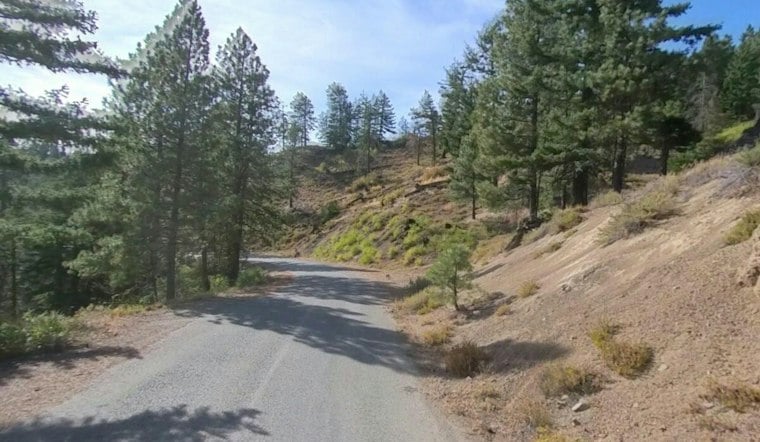
Drivers crossing Blewett Pass on US 97 sometimes get an unusual delay: a century-old family flock of roughly 2,000 sheep flooding the highway, forcing a full closure so the animals could cross safely. The stoppage lasted about 20 minutes before the road reopened to traffic, part of a twice-a-year ritual that has played out on this stretch of mountain highway for generations.
The moment was captured in a video posted by WSDOT on Facebook, which described the scene as a different kind of rush hour. According to 98.3 The KEY, the annual migration involves approximately 2,000 sheep guided across the highway by human sheepherders and trained working dogs, including border collies and livestock guardian dogs, while WSDOT personnel assist with traffic control as the animals steer clear of moving vehicles.
The flock belongs to rancher Mark Martinez, whose family has grazed livestock on U.S. Forest Service land in Central Washington for three generations, according to background reporting from KING 5. The Martinez operation represents one of the last major livestock grazing enterprises left in the area, a tradition that predates the modern highway itself.
A Seasonal Route Between Mountain and Valley
The crossing enables the flock to reach new grazing lands as part of a broader seasonal pattern. During their biannual migration, the sheep travel west into high-elevation Cascade Range pastures in early summer and return east after Labor Day, per the same WSDOT account.
US 97 over Blewett Pass reaches elevations over 4,000 feet as it runs between Ellensburg and the Cascades, according to the Adventure Cycling Association. That stretch of highway is part of the route through the Cascades.
How WSDOT Times the Closure
WSDOT maintenance crews help control traffic during the crossing and coordinate with the rancher, according to a description shared in a Big Country News Connection post.
To prevent traffic hazards during seasonal livestock and wildlife movements, the Washington State Department of Transportation also deploys electronic message signage along US 97 and advises motorists not to pull onto the shoulder to snap photos or feed the animals, according to KPQ News. The outlet notes that seasonal warning signage has helped reduce animal-vehicle collisions by 50 percent in target corridors.
Old Risks for a Mountain Grazing Tradition
In 2011, a Teanaway wolf incident involving Mark Martinez's sheep operation included a warning shot, according to KING 5 — an incident considered among the first documented human encounters with a wolf pack during Washington's wolf recovery era.
Wildlife collisions have also shaped how the state manages this corridor more broadly. Officials previously installed a $2.8 million, 9-mile wildlife fence near Rocky Reach Dam after WSDOT logged more than 400 deer, along with dozens of sheep and elk, killed in vehicle collisions, per Historic Highways. Wildlife fencing and active traffic control remain key tools the state uses to manage highway animal hazards along US 97.
The pass itself is part of the modern highway corridor, which briefly yields to a flock of 2,000 sheep twice a year.





