

























































One person was critically injured Monday afternoon after fire broke out on the 30th floor of a high-rise apartment building on Manhattan's East Side, sending emergency crews rushing into one of the city's more challenging vertical firefights. The victim was transported to a hospital in critical condition, according to the FDNY.
The fire erupted in a 35-story residential building on East 54th Street between First and Second Avenues, according to CBS New York. FDNY received the 911 call at 2:52 p.m. and had the blaze under control by 3:16 p.m., a turnaround of just 24 minutes for a fire that broke out three-quarters of the way up the tower. The cause remains under investigation.
A Block That's Seen This Before
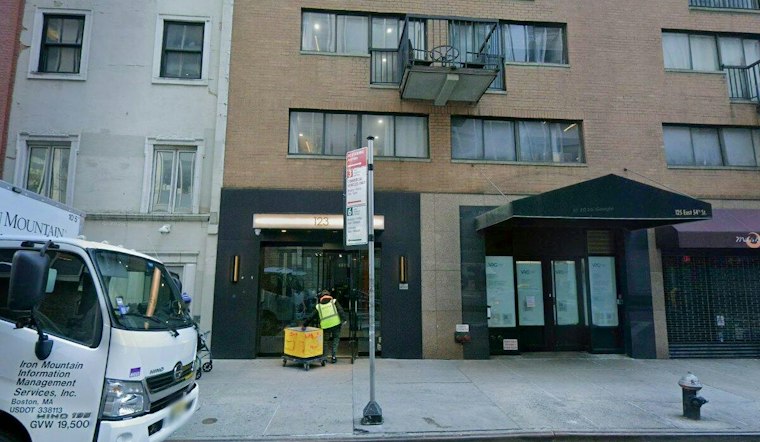
This is not the first time East 54th Street has tested FDNY crews this year. Just two months earlier, on July 17, FDNY dispatched more than 220 firefighters to a three-alarm fire on the same street at 22 East 54th Street, where a restaurant duct fire spread into an adjacent 43-story commercial tower and injured five people, per Patch. Farther back, in November 2018, firefighters responded to a two-alarm electrical basement fire at 123 East 54th Street, a 15-story apartment building on the same block, which injured four people and forced a full evacuation, the outlet's earlier coverage notes.
High-rise firefighting can involve logistical hurdles. Firefighters may use stairs and standpipes, though elevators can be used to reach a staging floor below the fire. For a high-rise multiple-dwelling fire, an on-scene incident commander transmits a “10-77” after assessing the incident. Standard high-rise firefighting guidelines also require at least one assigned engine company to carry a specialized High-Rise Nozzle, designed to knock down upper-floor apartment fires from hallways or outer perimeters when interior access is obstructed.
Why Older Towers Rely on Manual Suppression
Part of what makes upper-floor residential fires so labor-intensive for FDNY crews traces back to building codes. Under New York City's Local Law 26 of 2004, full automatic sprinkler retrofits were mandated for commercial office high-rises 100 feet or taller by 2019, but older residential high-rises built before 1999 were never universally required to retrofit sprinklers inside individual apartment units, according to RAND Engineering & Architecture. That gap leaves many residential towers dependent on standpipe systems and direct manual suppression by firefighters rather than automatic apartment-level sprinklers.
Citywide, FDNY responds to residential structural fires and other emergency calls across the five boroughs.
Monday's fire adds to a year of high-rise incidents across the city, including a fatal Crown Heights blaze tied to a lithium battery. FDNY has not yet released the identity of the critically injured victim, and the cause of Monday's fire remains under investigation.



