

























































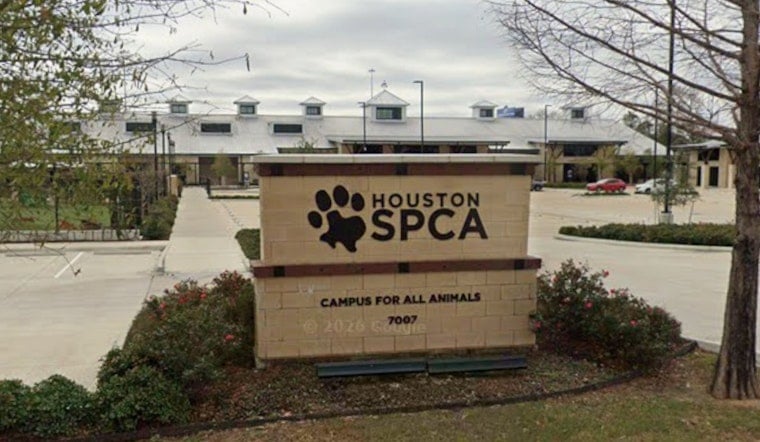
Forty-nine baby squirrels arrived at the Houston SPCA in just two days after Tropical Storm Eduardo tore through Southeast Texas, blowing nests out of trees near Beaumont and leaving newborn kits orphaned, injured, and unable to fend for themselves. The tiny animals are now in the hands of the organization's wildlife team, who are feeding and warming them around the clock as they recover from the storm's aftermath.
Eduardo made landfall near the Texas-Louisiana border in early September, packing sustained winds of roughly 60 mph and dumping up to 10 to 15 inches of rain across the region, according to NBC News. That combination of heavy rain and battering wind caused widespread flooding and tree damage near Beaumont, where many of the rescued squirrels came from. As reported by CW39 Houston, the Houston SPCA said the 49 squirrels arrived over just two days, and its wildlife team is now caring for the sudden influx of animals across Southeast Texas.
Why September Storms Hit Squirrel Nests So Hard
The timing of Eduardo's arrival made the damage especially severe for the region's youngest wildlife. Eastern gray and fox squirrels in Texas go through two breeding cycles each year, and their second birthing season peaks from August through September, according to Woodlands Wildlife Elimination. That means high winds from a late-summer tropical storm coincide directly with the exact weeks when the most vulnerable litters are nestled in leaf dreys and tree cavities, leaving them with nowhere to go when branches snap and nests are torn apart.
Newborn squirrels are born hairless, blind, and deaf, weighing only half an ounce to one ounce, and they cannot regulate their own body temperature, per Austin's Wildlife Removal Services. That helplessness is exactly why the rescued kits at the Houston SPCA now need round-the-clock syringe feedings for up to 8 to 10 weeks before they can even be weaned, the same source notes. Wildlife volunteers are providing that frequent feeding and care so the animals can eventually grow strong enough for release back into the wild.
A Familiar Pattern for Gulf Coast Storms
This isn't the first time a Gulf Coast storm has sent a wave of displaced squirrels to the Houston SPCA's doorstep. Following Hurricane Beryl in July 2024, the organization's Wildlife Center rescued approximately 1,800 injured and displaced wild animals as local facilities faced overwhelming call volumes, according to Community Impact. Baby squirrels, opossums, and migratory birds made up a large share of that intake.
A similar surge played out during Hurricane Nicholas in September 2021, when the Wildlife Center saw an influx of waterlogged baby squirrels blown out of high tree nests across the Houston area, per KHOU 11. The station's report also carried guidance that still applies today: residents who find a storm-displaced baby squirrel should keep it warm and dry in a ventilated box and avoid giving it any food or water before getting it to a rehabilitator, since feeding a cold or injured animal can lead to fatal aspiration.
Why You Can't Just Raise a Rescued Squirrel Yourself
Texas law adds another layer to the process. Under Texas Parks and Wildlife Department regulations, it's illegal for unpermitted individuals to hold or raise native wild animals, meaning any found wildlife must be turned over to a state-licensed rehabilitator. That legal restriction exists to protect animal health and prevent improper domestication, but it also means centers like the Houston SPCA carry the full weight of storm-driven surges largely on their own.
That burden is compounded by a resource problem flagged by Texas wildlife advocates: a statewide shortage of permitted wildlife rehabilitators, worsened by regulatory hurdles that slow down staffing during peak rescue periods, according to North Texas e-News. Rehabilitation work relies heavily on specialized volunteers who must complete mandatory state training before they can help.
A Massive Operation Built for Moments Like This
The Houston SPCA's Annie White Graham Wildlife Center sits on a 12-acre campus and spans 9,000 square feet, where staff and volunteers treat more than 10,000 to 12,000 wild animals across over 260 species in a typical year, according to Telios PC. The center runs daily hotline services and emergency intake facilities on Old Katy Road to receive injured or orphaned wildlife from Harris County and the surrounding Southeast Texas counties it serves.
With dozens of newborn squirrels now needing round-the-clock feedings, the Houston SPCA is seeking additional wildlife volunteers to help handle the load. Anyone interested in volunteering can learn more directly through the organization as it works to get the storm's youngest victims strong enough to be released back into the wild.





