

























































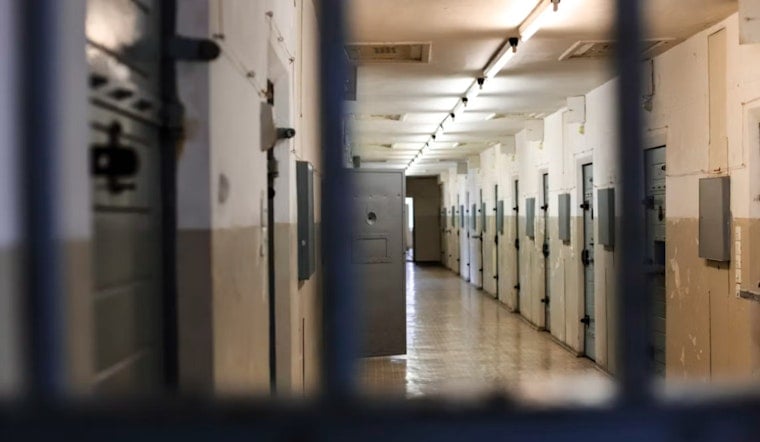
About 50 detained people inside Florida's Baker Correctional Institution, the facility advocates call the “Deportation Depot,” have launched a hunger strike over conditions they say include inadequate food, poor medical care, missing disability accommodations, and mistreatment by staff. The protest has prompted a coalition of immigrant rights, civil rights, and faith-based organizations to schedule a press conference outside the federal courthouse in Jacksonville for Tuesday, September 8, at 5:30 p.m.
The hunger strike, first reported by the Tampa Free Press, comes amid mounting concern over medical care at the facility. Among the cases advocates plan to highlight is that of a detained young man who relies on daily medication to prevent seizures; according to family-shared details reported by the outlet, he did not receive his prescribed medication on time and later suffered a seizure while in custody. Speakers from the participating organizations say they will call on officials to review custodial standards and address detainees' concerns, and advocates plan to present testimonies about facility conditions at the rally.
Rev. Dr. Russell Meyer, a representative of the Florida Council of Churches, said the hunger strike highlights conditions requiring immediate relief, calling for dignity, adequate medical care, and prevention of abuse and neglect for everyone in custody. Pierre Uwimana, a representative of the Florida Immigrant Coalition, said people detained inside the facility deserve dignity, safety, and access to basic medical care, adding that detention cannot mean abandoning basic human rights.
A Prison Turned Detention Site Under Strain
Baker Correctional Institution in Sanderson was a shuttered state prison before Governor Ron DeSantis announced in August 2025 that it would be converted into an immigration processing center capable of holding up to 1,300 detainees, with room to expand to 2,000, according to PBS News. Operations began the following month under the Florida Division of Emergency Management, with day-to-day staffing handled by the Florida National Guard and private contractors rather than standard state corrections personnel, the outlet reported. Hoodline previously covered the state's migrant lockup expansion, and later reported that emergency management director Kevin Guthrie oversees the site.
The financial pressures behind the facility's operations came into sharper focus this week. In September 2026, the Florida Division of Emergency Management requested $250 million in emergency state funds to cover ongoing immigration operations, according to Florida Politics, which reported that the request disclosed millions in unpaid vendor bills for medical and sanitation services at state-run detention sites, including Deportation Depot. State lawmakers noted the agency's spending reports were overdue, the outlet said.
A History of Complaints and Use of Force
This is not the first time conditions inside the facility have drawn scrutiny. Immigrants held at Deportation Depot were pepper-sprayed by guards on at least two separate occasions in late 2025, including on Christmas Eve, following conflicts over staff orders, according to the Washington Office on Latin America. State officials confirmed force was used after detainees refused orders, per that report.
The pattern predates the current facility's rebranding. A 22-page federal complaint filed by the ACLU of Florida in September 2022 detailed 130 allegations of guard violence, rotten food, and medical neglect against immigrant detainees held in Baker County facilities, with previous complaints noting guards restricted water for hunger strikers. In November 2024, U.S. Representative Maxwell Frost urged federal officials to shut down immigration detention operations in Baker County, citing systemic abuse and retaliation, according to the Florida Phoenix.
Federal Rules and Private Profits
Under federal Performance-Based National Detention Standards, facility medical personnel are required to conduct formal medical evaluations, monitor vital signs daily, and notify agency leadership once a detainee refuses nine consecutive meals, according to PBS News. Those rules are meant to guard against organ failure and refeeding complications during prolonged hunger strikes.
Nationally, the stakes for hunger strikers can escalate quickly. A August 2026 investigation by The Guardian found that federal immigration authorities sought court orders to force-feed or perform involuntary medical procedures on at least 10 hunger-striking detainees across the country amid surging detention populations. Medical ethicists and human rights groups consider involuntary tube feeding a form of severe mistreatment, the outlet reported.
Private prison operator GEO Group, meanwhile, reported winning a two-year ICE contract in early 2026 to help manage facilities including Deportation Depot, contributing to record corporate profits, according to Common Dreams. The company reported $254 million in net income for 2025, the outlet noted.
A Growing Faith Coalition Campaign
The upcoming courthouse rally builds on months of organizing by regional faith leaders and community groups. Demonstrators held a roadside protest along Highway 90 in Sanderson in January and, in April, the Florida Council of Churches and Pax Christi Florida organized a Good Friday prayer walk, according to the Independent Florida Alligator. Religious leaders have continually advocated for humane conditions inside the facility, the outlet reported.
Clara Sowers, a representative of the Micah Solidarity Project of Northeast Florida, described a hunger strike as a serious action requiring dignity, conviction, and courage. She said her organization joins in solidarity to echo detainees' demands for humane treatment and accountability. The Tuesday press conference is expected to draw representatives from the Florida Immigrant Coalition, the Jacksonville Immigrant Rights Alliance, the Micah Solidarity Project, the Detention Watch Network, the Florida Council of Churches, the North East Florida Immigrants Resources Alliance, and the Gainesville Immigrant Neighbor Alliance, organizers said.
The event aims to bring attention to detention-center conditions and urge authorities to ensure medical access, dignity, and constitutional protections for those held at the Sanderson facility. Whether officials will respond to the coalition's demands remains to be seen.



