

























































Charles McCrory has spent more than four decades behind bars for the 1985 murder of his wife, Julie Bonds McCrory, but a federal judge's ruling this month has put his freedom within reach for the first time in years. Chief U.S. District Judge R. Austin Huffaker Jr. found that McCrory's conviction rested heavily on bite-mark testimony that no longer holds up, ordering Alabama to either retry him or release him within 180 days.
The September 21 ruling in McCrory v. Lovelace granted McCrory habeas relief and stayed the writ for 180 days to allow Alabama to commence a new trial; release is required if a new trial does not commence within that period, according to Justia. As Cleveland.com reported, prosecutors at trial argued the marks matched McCrory's teeth, and that bite-mark testimony was the most important piece of physical evidence jurors saw. Huffaker found that testimony helped create an unfair trial, and Cleveland.com notes the state's other evidence was otherwise limited — no DNA tied McCrory to the crime, he never confessed, and prosecutors did not present a clear motive.
The Expert Who Changed His Mind
The prosecution's key witness in 1985 was forensic dentist Dr. Richard Souviron, who had gained fame testifying in serial killer Ted Bundy's 1979 trial. Souviron later recanted, saying he would not call the marks bite marks today, according to CBS News. Cleveland.com's reporting on the case notes Souviron has said he would not make the same claim today.
A landmark 2009 National Academy of Sciences report sharply criticized bite-mark analysis, according to CBS News. Bite-mark analysis has been largely debunked, and convictions involving the technique have been overturned.
A Case Built on Thin Physical Evidence
Hairs clutched in Julie McCrory's hand did not match Charles McCrory, according to CBS News.
Turning Down a Guaranteed Release
McCrory's path through the courts has included a moment that underscored how firmly he has maintained his innocence. Five years before the federal habeas ruling, he turned down a plea deal during state post-conviction proceedings that would have granted him immediate release on time served — but only if he admitted guilt for his wife's murder, according to the Daily Mail. McCrory refused, maintaining he would not plead guilty to something he did not do.
His appeals were pushed forward by attorneys with the Southern Center for Human Rights and the Innocence Project's Strategic Litigation team, including the Innocence Project's Director of Strategic Litigation, M. Chris Fabricant, and SCHR attorney Mark Loudon-Brown.
What Comes Next
At the time of the 1985 murder, McCrory was good with computers and volunteered as an EMT.
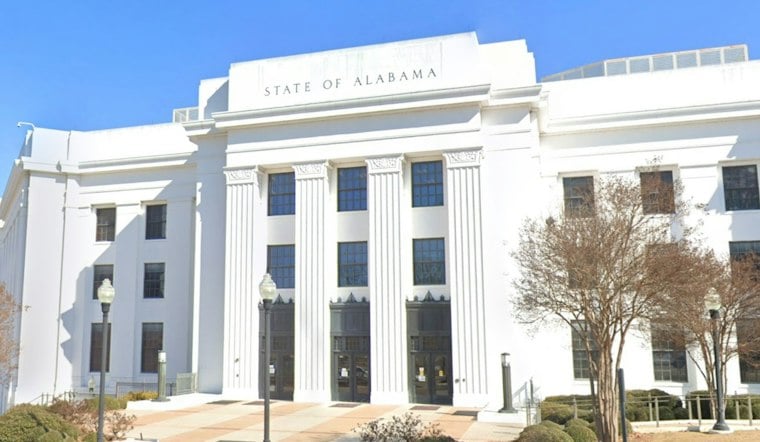
The Alabama Attorney General's Office can appeal Huffaker's decision, and it remains unclear whether the state will pursue that route, attempt a new trial without bite-mark evidence more than 40 years after the killing, or release McCrory within the court's 180-day window. Cleveland.com describes the ruling as giving McCrory his best chance in decades to regain his freedom.




