

























































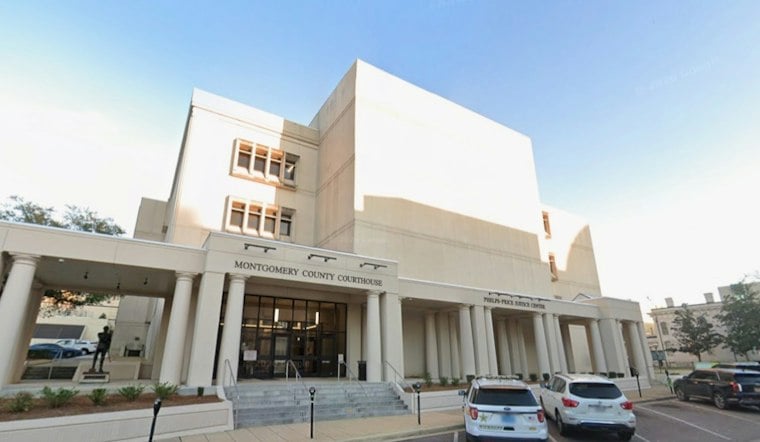
A jury in Montgomery, Alabama, is set to begin hearing the first trial in the country to test claims that TikTok made its platform addictive to young users and misled parents about safety tools meant to protect them. The trial, expected to run two to three weeks, opens Monday in Montgomery state court and marks the first case against the app to actually reach a jury after years of litigation over social media's alleged toll on teen wellbeing.
Alabama Attorney General Steve Marshall, a Republican, filed the lawsuit in 2025, and it has since been narrowed to focus specifically on the Alabama Deceptive Trade Practices Act, according to Beasley Allen Law Firm. The state now argues TikTok deceived parents about safety features like Kids Mode and Restricted Mode rather than pursuing broader statutory claims. Marshall's team is being co-counseled by private firms including Beasley Allen and Prince Glover Hayes alongside the state Attorney General's Office, the firm notes.
As reported by the New York Post, Alabama's lawsuit claims TikTok's endless video stream makes it the most addictive social media platform and that its algorithm pushes young users toward increasingly intense content about violence and self-harm. The suit alleges that dynamic has contributed to a teen mental health crisis and caused emergency room visits for self-harm in Alabama to skyrocket. The complaint also accuses TikTok of falsely claiming it limits young users' access to sexual and violent content while the app was rated safe for teens in app stores run by Google, Apple, and Microsoft.
Age Checks and Data Questions at the Core
Central to Alabama's case is the claim that TikTok asks users to self-report their ages but lets people evade those questions entirely by watching videos without ever creating an account, according to the same Post report. The state alleges TikTok still collects data on the viewing habits of those anonymous users, and argues the lack of effective age verification makes Kids Mode functionally useless. The lawsuit also claims the app traps children in filter bubbles that feed them increasingly intense content, and separately accuses TikTok of misleading users about Chinese government access to Americans' data. Alabama is seeking penalties and other relief.
TikTok has said it designed its platform with teen safety as a key priority and has argued that Section 230 of the federal Communications Decency Act shields online platforms from liability over user-generated content. The company's U.S. operations were transferred to an entity led by U.S. investors that is 20% owned by ByteDance, per the Post's reporting. TikTok has not commented publicly on a separate, unrelated Meta settlement reached in August.
A Pattern of Settling Before Trial
What makes Montgomery notable is what hasn't happened before: TikTok reaching a jury. The company has settled every case selected for trial against it, including claims by five young people and a Kentucky school district, per the Post. The Fob James Law Firm notes that TikTok's confidential January 2026 settlement in K.G.M., the first individual bellwether case scheduled for trial, kept internal company documents and operational details from ever being presented to a jury — a pattern this Alabama case could break if it proceeds to verdict.
TikTok faces thousands of additional lawsuits from individuals, school districts, and municipalities over its alleged impact on young users' mental health, and at least 27 states and Washington, D.C. have sued the company separately. Meta Platforms, Snap Inc., and YouTube are also named defendants in many of the broader social media mental health cases working through the courts. More than 3,200 federal lawsuits against TikTok, Meta, Snap, and Google have been consolidated into Multidistrict Litigation 3047 in the Northern District of California under U.S. District Judge Yvonne Gonzalez Rogers, according to Sokolove Law.
Courts Have Cleared a Path Around Section 230
Federal and California state judges handling the consolidated litigation ruled in 2023 and 2024 that Section 230 does not automatically shield platforms from product liability claims targeting internal design features like infinite scroll and push notifications, per The Spencer Law Firm. That distinction between platform design defects and third-party content liability has been key to plaintiffs getting these cases past early dismissal motions. A California jury delivered the nation's first personal injury verdict on this theory in March 2026, finding Meta and YouTube negligent and awarding $3 million to an individual plaintiff, as Hoodline previously reported.
The Alabama trial arrives amid a wave of regulatory reckonings for the platforms. In August, the Department of Justice and Federal Trade Commission finalized a $400 million settlement with TikTok and ByteDance over alleged violations of the Children's Online Privacy Protection Act, according to Security Affairs. That same month, Meta agreed to pay $17.1 billion to settle with 47 states, Washington, D.C., and U.S. territories, requiring the company to change teens' access to Instagram and Facebook, per the Post. Meta conditioned $5 billion of that payout on TikTok, Snap, and YouTube adopting similar terms, though it did not admit wrongdoing.
Alabama's Own Meta Deal Set the Local Template
Alabama's $117.1 million share of that multistate Meta settlement requires Instagram and Facebook to enforce a combined two-hour daily limit for minors, nighttime blackouts between midnight and 6 a.m., and mandatory session pauses, according to the Calhoun Journal. A bipartisan coalition of 14 state attorneys general, co-led by California and New York, had already launched joint lawsuits against TikTok in October 2024 alleging the app used dopamine-inducing algorithms and beauty filters to exploit minor users, a push Hoodline covered when Pennsylvania sued the app over its 13-plus age rating.
Public health researchers have supplied some of the backdrop for these cases. A 2023 U.S. Surgeon General advisory warned that adolescents who spend more than three hours a day on social media face double the risk of experiencing symptoms of depression and anxiety, according to Yale Medicine. Whether Montgomery jurors ultimately side with Alabama or with TikTok, the trial is expected to offer the first real public look at how the company's internal design choices and safety claims hold up under courtroom scrutiny.




