

























































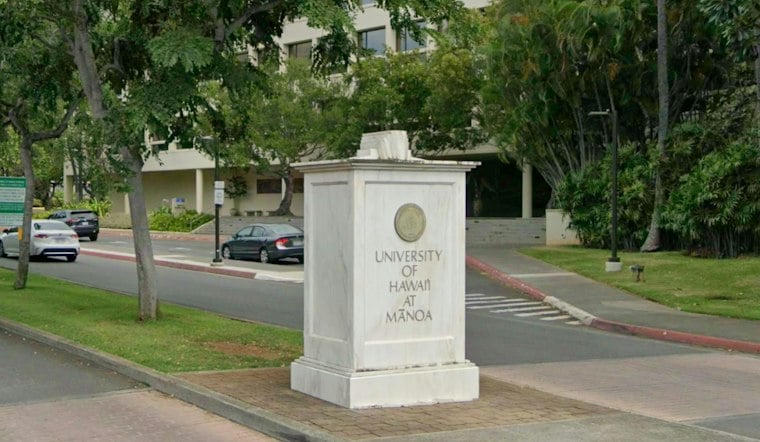
Every one of the 10 University of Hawaiʻi campuses now has access to sensory-friendly spaces stocked with fidget toys, weighted lamps, and portable kits designed to give overwhelmed students, faculty, and staff a place to pause and reset. The rollout, led by the University of Hawaiʻi at Mānoa Center on Disability Studies through its CAMP+U initiative, marks the completion of a systemwide effort that began with a single room at the flagship campus.
As reported by Kauai Now, CAMP+U opened Mānoa's first sensory room in 2024 before partnering with every University of Hawaiʻi campus to expand the concept statewide. The initiative is led by Holly Manaseri, a Center on Disability Studies faculty member and project director, who said college can be overwhelming and that students may need a place to pause, reset, and return to class ready to learn. The sensory-friendly initiative gives students, faculty, and staff access to tools designed to reduce stress, improve focus, and support overall well-being.
At UH Mānoa, that meant establishing dedicated spaces at the Center for Teaching Excellence in Kuykendall Hall for faculty and staff and at the Student Success Center in Webster Hall for students, according to the University of Hawaiʻi at Mānoa Center on Disability Studies. That flagship location served as the proving ground before the portable kit model was adapted for the rest of the system, which now includes three universities and seven community colleges spread across six islands, serving a total enrollment of 51,411 students in Fall 2025 — the system's highest headcount since 2017, per University of Hawaiʻi System News.
What's Inside the Portable Kits
Rather than requiring every campus to build a permanent room, the portable sensory kits give schools a low-cost, flexible way to create calming environments, per Kauai Now's reporting. The kits include a northern lights and moon projector, sunset and jellyfish lamps, a space tent, a cosmic cocoon bean bag chair, and fidget toys, along with a resource hub of educational materials — more than a dozen sensory tools in total. Individual campuses have adapted the initiative to meet local needs, using the kits for dedicated sensory rooms, integrated sensory spaces, or pop-up experiences during midterms, finals, and study sessions.
Alongside the physical equipment, CAMP+U developed a 10-hour online self-directed training course for faculty and administrators covering Universal Design for Learning, disability awareness, and sensory integration strategies, according to the University of Hawaiʻi at Mānoa Center on Disability Studies. The training pairs the physical sensory tools with instructional strategies meant to address diverse learner needs without lowering academic standards. CAMP+U itself collaborated with the Office of Faculty Development and Academic Support in developing the program, while individual campuses worked with disability services, student basic needs offices, counseling centers, and libraries to fold the sensory spaces into existing student support systems.
Early Results and the Bigger Mental Health Picture
More than 500 visitors reported feeling calmer, more relaxed, and happier after using the sensory spaces, according to Kauai Now's account of the program. Students also reported improved focus, greater motivation, and a stronger sense of belonging on campus, and preliminary findings point to reductions in stress, anxiety, frustration, and feeling overwhelmed. A research study is currently evaluating the broader impact of the initiative.
Those early numbers land against a stark national backdrop. A 2025 survey found that 70% of college students experienced mental health challenges after starting higher education, yet only 37% accessed campus mental health services, according to EdTech Magazine. A separate Gallup and Lumina Foundation study cited by the same publication found that 64% of currently enrolled students who considered dropping out cited emotional stress or mental health concerns as a primary reason — a gap that has made low-barrier, non-clinical options like sensory rooms increasingly central to campus retention strategies.
Peer-reviewed research backs up the stakes. A March 2026 study in the Journal of Learning Development in Higher Education found that neurodivergent postsecondary students reported that access to campus sensory rooms could directly determine whether they were able to remain enrolled in college. A separate August 2026 national study of 930 autistic undergraduate students across roughly 400 U.S. colleges, published through Project MUSE, found that campus-wide awareness and supportive environmental resources are essential drivers of postsecondary success for autistic students.
Part of a Wider Trend
CAMP+U is not operating in isolation. Kauai Now's reporting notes that nearly one-quarter of University of Hawaiʻi peer institutions already have dedicated sensory rooms, and more than half offer some form of sensory-friendly space, while sensory spaces are increasingly found in airports, public libraries, and shopping centers, and were even offered at every 2026 FIFA World Cup venue. Hoodline previously reported that San Francisco International Airport opened a dedicated post-security sensory room in December 2024, designed with input from medical experts to help neurodivergent travelers manage travel anxiety — part of a broader shift in how sensory-friendly design is spreading into high-stress public environments nationwide.
The University of Hawaiʻi's push also connects to its statewide disability advocacy work, after the Center on Disability Studies co-hosted the annual Disability Awareness Day at the Hawaiʻi State Capitol in March 2026, drawing roughly 500 advocates and community members to meet state lawmakers during Developmental Disabilities Awareness Month. CAMP+U, which attends particularly to students with learning differences and disabilities, focuses broadly on supporting student success throughout the college experience, and the CAMP+U website now lists sensory room contacts at each of the 10 campuses statewide for students, faculty, or staff looking for a place to decompress, regulate emotions, and recharge.





