

























































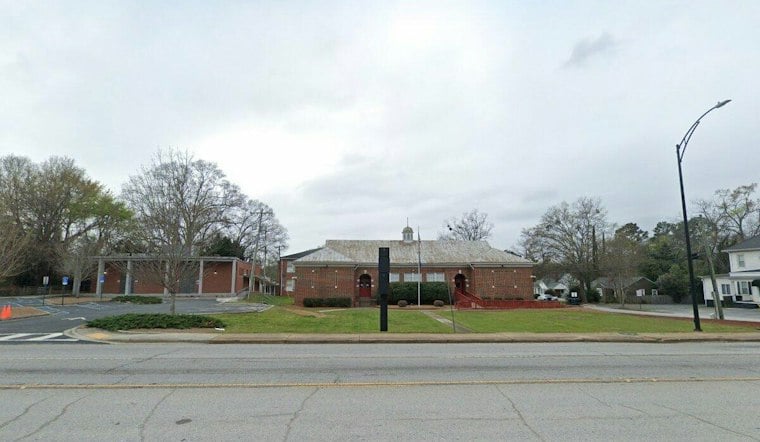
Anderson School District Five has removed from community use the building that Project Challenge Playhouse has occupied for nearly 40 years, putting the student theater program's next season and operating arrangements in question. The district cited building-condition concerns, while alumni, parents, and current students have objected to the loss of the facility and said they have not received a clear replacement plan, according to WSPA 7NEWS.
The building at 2005 N. Main St. was originally North Anderson Elementary School, which the district closed in 1986 and transferred its students to Concord and Whitehall elementary schools, according to The Anderson Observer. The campus was later repurposed for adult education and youth theater programs, giving Project Challenge a home that would last decades. As reported by WSPA 7News, the program has used the same building for nearly 40 years and has influenced many students along the way.
The immediate dispute is over how the program can continue while the district weighs its options. Moving productions could create new technology, security, custodial, and logistical costs, while supporters are seeking a more permanent arrangement that would preserve Project Challenge's role in the community.
Roots Go Back to the 1970s
Project Challenge did not start as a theater program at all. It launched in the 1970s as an Anderson School District Five gifted and talented program operating in a building adjacent to the North Anderson Elementary campus, per the same Anderson Observer account, before eventually moving into the school's additions. Over the following decades, the initiative shifted from a specialized gifted curriculum into the broader community theater opportunity that generations of students have known.
The program is not new to disruption. In January 1993, Project Challenge Playhouse temporarily relocated to the chorus room stage at McCants Middle School before returning to the North Anderson Elementary site later that same fall, as noted by The Anderson Observer. That earlier move became a 33-year stay at the North Main Street site, one that is now ending.
District Cites Asbestos, ADA Issues, and Wear and Tear
District officials attributed the decision to significant concerns about the building's condition and needed repairs, including asbestos, ADA issues, and general wear and tear, WSPA 7NEWS reported in its coverage.
What Federal Asbestos Guidance Requires
According to the U.S. Environmental Protection Agency, the federal AHERA program requires public school districts to inspect for asbestos-containing materials and reinspect them in each school every three years. The EPA says those materials are generally managed in place; removal is usually necessary only when they are severely damaged or will be disturbed by demolition or renovation. The EPA guidance addresses asbestos management, while the information available for this article does not establish the district's separate accessibility obligations under state or federal law. The district's statements about asbestos and ADA concerns therefore explain the reasons it has cited for restricting use, but do not by themselves detail the inspections, repairs, or other steps taken at the building.
Anderson School District Five says it wants to continue its partnership with Project Challenge Playhouse and has offered alternative district spaces, including potential use of middle schools, Southwood Academy of the Arts, and Calhoun Academy of the Arts. The district says those facilities would carry no rental fee, but Project Challenge would be responsible for technology, security, and custodial-service costs, according to WSPA 7NEWS.
The no-fee arrangement follows the district's reference to Board Policy KF in connection with community use of school facilities, according to Anderson School District 5. The district has said alternative facilities are limited, and the reported operating costs would remain with the playhouse.
A Rejected Grace Period and a Pending Board Vote
Before the public announcement, Project Challenge Playhouse organizers raised concerns about losing access to the building without a confirmed replacement, according to The Anderson Observer. Organizers said the change could disrupt students already enrolled in a program that uses the space on most days during the school year.
The supporting non-profit, Project Challenge Playhouse Patrons, is listed on the Cause IQ directory. The board operates independently while partnering with the district to stage productions. The playhouse operates in partnership with the district.
The procurement publication cited in the source material predates the current dispute over the facility.
Legal Scrutiny Adds Another Layer
The facility dispute comes as the district and playhouse face separate legal scrutiny tied to a former theater director. Nicole Ballew Callaham, a former teacher and Project Challenge Playhouse director, was arrested in July 2025 and faced four charges across Anderson and Greenville counties—three counts of criminal sexual conduct with a minor and one count of contributing to the delinquency of a minor—related to alleged sexual misconduct with a student she met through a playhouse production, according to reporting cited by FOX Carolina. Callaham resigned from her district position in May 2025.
In March 2026, a former student filed a civil negligence lawsuit in Anderson County court against Anderson School District Five, Project Challenge Playhouse, and the S.C. Governor's School for the Arts and Humanities, according to the Post and Courier. The complaint alleges that the institutions failed to protect a 14-year-old student from grooming and sexual abuse by the former theater director; those are allegations in the lawsuit, not findings described here.
Anderson County community members have expressed frustration about the loss of the building, and the issue is expected to draw public comment at the district's board meeting scheduled for Tuesday. The next steps will determine whether the district and Project Challenge can agree on a workable temporary arrangement and a longer-term home for the program.



