

























































U.S. Customs and Border Protection is planning a southern Arizona expansion that could cost more than $500 million: three new Border Patrol stations and larger inland checkpoints, even as border encounters have declined nationwide. The projects remain proposals with projected costs, not completed construction commitments, and their scale is drawing criticism from tribal, environmental and congressional voices.
The plans include stations in Three Points, Sonoita and Casa Grande, plus checkpoint expansions on Interstate 19 near Amado and Interstate 8 east of Dateland, the Arizona Daily Star reported. CBP spokesperson John Mennell said the agency is in the early planning stages for new and modernized stations and checkpoints across the Southwest border.
A large build-out amid declining border encounters
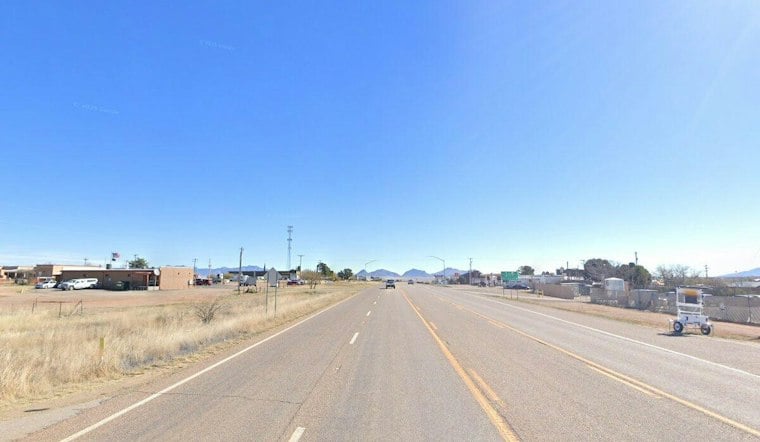
The proposed Three Points station would occupy about 87 acres of Bureau of Land Management land along State Route 86, just east of the Tohono O'odham Nation. The Star reported that the facility is designed for as many as 500 agents and is projected to cost more than $100 million. CBP says the station would strengthen border security and improve its ability to apprehend people who enter the country illegally.
The scale is notable against recent enforcement statistics. Tucson Sector had the most encounters among Border Patrol sectors in 2024, while encounters nationwide declined in fiscal year 2025, according to the Council on Foreign Relations. The nationwide decline does not by itself establish whether the proposed facilities are unnecessary, but it explains why critics are questioning the timing and size of the investment.
Tribal and environmental stakes
Tohono O'odham Chairman Verlon Jose has described the Three Points station as wasteful and unnecessary, the Star reported. The nation spans about 2.8 million acres and includes 62 miles of international border. Historical divisions created by the 1853 Gadsden Purchase left O'odham homelands on both sides of the border, a history detailed by In These Times.
The proposed Three Points site also raises species-protection questions. The Star reported potential effects on the threatened cactus ferruginous pygmy owl and the endangered Pima pineapple cactus. The U.S. Fish and Wildlife Service listed the cactus ferruginous pygmy owl as threatened in July 2023.
Five projects, different local pressures
The other proposed stations would serve different parts of the sector. The Sonoita facility would house about 200 agents on a site of either 40 or 75 acres, figures cited in the Star’s reporting, and would cost more than $100 million. It would be near Elgin Elementary School. The planned Casa Grande station would house about 300 agents and personnel and also carry a projected price above $100 million.
The checkpoint proposals would extend the same enforcement network farther into the interior. The I-19 project near Amado would require CBP to acquire a 17-acre parcel east of the highway near Tubac through eminent domain. A second expansion is planned on I-8 east of Dateland; the I-19 checkpoint project is estimated at $50 million to $100 million, according to the Star.
The Arizona Land and Water Trust has declined to sell land near the West Arivaca Road checkpoint, while Tubac landowner Laurinda Oswald has said she intends to contest any effort to take her property. Under the Federal Declaration of Taking Act, an agency can obtain title and possession after filing a condemnation case and depositing estimated compensation with the court, according to a legal explainer. A property owner can seek additional compensation, but that process generally does not offer the same leverage as stopping the transfer itself.
The checkpoint evidence is narrower than the debate
Supporters and opponents are drawing on different measures of checkpoint performance. Rep. Adelita Grijalva has criticized the proposed expansions as wasteful, arguing that most illicit fentanyl is intercepted at official ports of entry rather than inland checkpoints, according to a statement from her office.
A construction-funding restriction and relocation requirements extended through fiscal year 2005.
That history does not resolve whether the current proposals would improve enforcement or impose unacceptable costs. It does show why results from one existing checkpoint should not automatically be treated as proof about the entire network. The central unresolved questions are the final designs, funding commitments, environmental findings and how the projects would be evaluated against recent encounter levels.




