

























































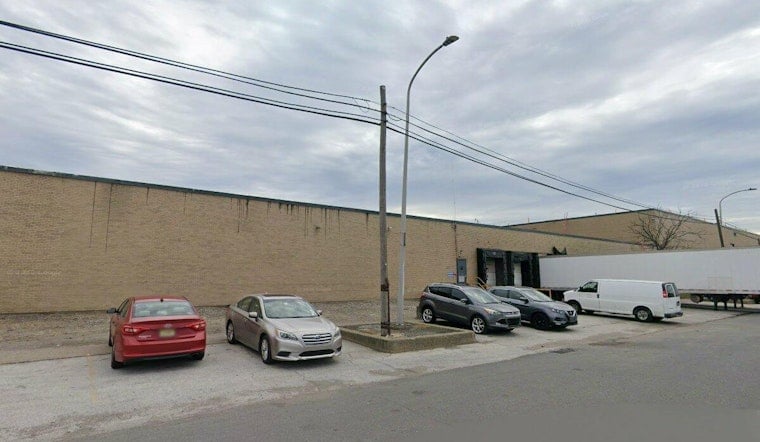
Every morning from Labor Day through early October, 80-year-old Lenny Procacci reports to his family's warehouse on South Front Street to do something increasingly rare in the produce business: sell fresh California wine grapes, one crate and one conversation at a time, to customers who show up expecting to talk to him and nobody else.
Procacci Brothers, the wholesale produce company his family built at 3333 S. Front Street in Philadelphia, serves about 4,000 regular customers during the annual wine grape season, according to PHILADELPHIA.Today. Lenny greets returning customers, family members, wine club regulars, and wholesalers alike, and he says many of them want to talk only to him. The company sells roughly 25,000 cases of grapes each season and stocks more than 25 varieties of California wine grapes and juices, alongside 100% juice, home winemaking equipment, and wholesale produce distribution services.
Lenny started working in the wine business at age 16, and for years he worked alongside his father, Cataldo Procacci, selling grapes that arrived on freight trains. Those trains historically rolled in via Delaware Avenue, part of a rail logistics network that once delivered fresh California harvests directly to South Philadelphia's docks and wholesale yards, as The Philadelphia Inquirer has reported on Lenny's long career in the trade.
A Trade Born From a Prohibition-Era Loophole
The urban home winemaking tradition that keeps customers lining up at Procacci Brothers didn't start as a workaround so much as a legal allowance. Under Section 29 of the 1919 Volstead Act, households were permitted to make up to 200 gallons of non-intoxicating fruit juice a year for personal use, a provision that, per TIME's historical archives, drove massive rail shipments of California wine grapes to home winemakers in cities like Philadelphia during Prohibition.
That federal allowance has a modern descendant. Current regulations under 27 CFR 24.75, overseen by the Alcohol and Tobacco Tax and Trade Bureau, still let adults produce up to 200 gallons of wine per calendar year tax-free in a household with two or more adults, or 100 gallons for a single-adult household, while strictly prohibiting sales of homemade wine. Pennsylvania's own statutes align with that federal ceiling, according to the National Conference of State Legislatures, which confirms the state permits home wine production for personal and family use without requiring a liquor license.
Twenty-Two Crates for a Barrel
The math behind a home winemaker's fall shopping list is fairly exact: it takes about 22 crates of fresh grapes to produce a standard 50-to-60-gallon barrel of wine, per PhillyVoice, which has also detailed how distributors keep raw grapes in refrigerated warehouse rooms between 32 and 35 degrees Fahrenheit until they're sold. Much of that fruit traces back to Lodi, California, long known for the thick-skinned red varietals, including Alicante Bouschet, Zinfandel, and Muscat, that were historically shipped east in wooden crates by rail, according to Wine Enthusiast.
Supply out of California isn't guaranteed to stay steady. The state's total wine grape harvest fell to 2.63 million tons in 2025, its smallest yield since 1999, as growers adjusted to market corrections and shifting climate conditions, Hoodline has reported. That kind of contraction upstream is the sort of detail that can ripple into pricing and availability for East Coast distributors like Procacci Brothers, though the dossier does not specify how this season's harvest has affected the company's own supply or prices.
According to the USDA National Agricultural Statistics Service's final 2025 California Grape Crush Report, the average price of all grape varieties was $977.76, down 3.9% from 2024. The USDA National Agricultural Statistics Service reported that the 2024 average price of all California grape varieties was $1,009.60, down 2.9% from 2023.
From Dreaded Chore to Family Ritual
Lenny didn't always love this work. He hated the wine grape season when he was younger, but came to love it because of the people, and he now remembers which grapes each customer buys year after year. During the season, Procacci Brothers welcomes customers to a complimentary spread of soppressata and cheese, and Lenny personally provides cups of homemade red wine on top of it.
The company itself has grown well beyond the seasonal grape counter. Procacci Brothers was established in 1948 and has grown from repacking tomatoes in a cellar into one of North America's largest wholesale produce distributors, now running 24 hours a day across seven South Philadelphia facilities with more than 350,000 square feet of racked cold storage. Co-founders Joseph and Michael Procacci, who built that operation into 11 international produce entities, both died in November 2017, just six days apart, at ages 93 and 94.
None of that scale changes the rhythm of Lenny's own season. A former U.S. Marine Corps veteran, he works 12-hour days seven days a week from Labor Day through early October, the busiest stretch of the year for the warehouse. Procacci Brothers is open Monday through Friday from 7:30 a.m. to 5:30 p.m. and on weekends from 8 a.m. to 2 p.m., with a listed phone number of 215-463-8000 for customers looking to place an order or just ask what's fresh.


