

























































Philadelphia police have identified Lelia Mae Wright, a 25-year-old Kensington woman, as the visibly injured and unconscious woman in photographs recovered from a house in the city’s Olney neighborhood, The Philadelphia Inquirer reported. Wright vanished in 2016. Her uncle, Paul Wright, told the paper that relatives said investigators identified her by tattoos. No human remains belonging to Wright had been found as of publication.
The identification does not establish how Wright died or where she is. Her uncle told the Inquirer that investigators had not explained her death to him. Police believe Wright may be among at least seven women linked to the home of the late Raymond Horsch. At a September news conference, investigators said evidence suggested at least five of the seven women were dead, NBC10 Philadelphia reported.
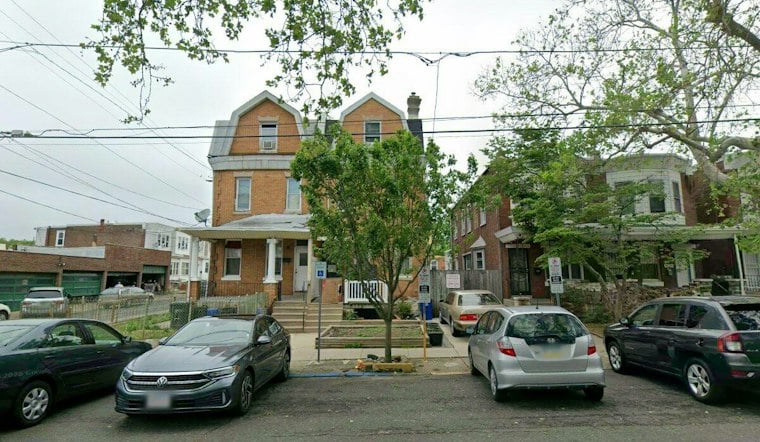
Investigators have searched parts of the Olney property, including sewer lines, yards, floors and walls, for forensic evidence, the Inquirer reported. NBC10 reported that a July search of sewer lines connected to the home found no apparent human remains in the pipes; they were sent for laboratory testing. These searches have not established that Wright’s remains are at the property.
What identification and missing-person records can show
The Inquirer reported that Wright was never formally reported missing. Philadelphia Police Department Directive 12.13 says a missing-person report may be made through a personal interview by a responsible adult, listing parents, physicians, legal guardians and adult next of kin as examples. The directive does not explain why no report was made in Wright’s case.
The National Institute of Justice says NamUs helps investigators match long-term missing-person cases with unidentified remains. That is different from identifying a person in recovered photographs, as authorities did in Wright’s case, and it does not indicate that her remains have been found.
Philadelphia has had a separate identification case involving recovered remains: The Inquirer reported that DNA testing identified Joseph Augustus Zarelli in the 1957 Boy in the Box child-homicide case. That precedent involved identifying unidentified remains; it is not evidence about Wright’s circumstances or the outcome of the Olney investigation.
A dated public-health backdrop, not an explanation
A February 2017 Philadelphia Department of Public Health report described 35 overdose deaths from Dec. 1 to 5, 2016, primarily due to heroin and fentanyl. The deaths occurred in North Philadelphia and Kensington as well as elsewhere in the city. Those population-level figures provide context for the period and area, but do not establish Wright’s cause or circumstances of death.
Wright’s identification resolves who appears in the photographs, but central questions remain unanswered: how she died, whether her remains can be found, and whether anyone else was involved. Investigators have not publicly established those answers.




