

























































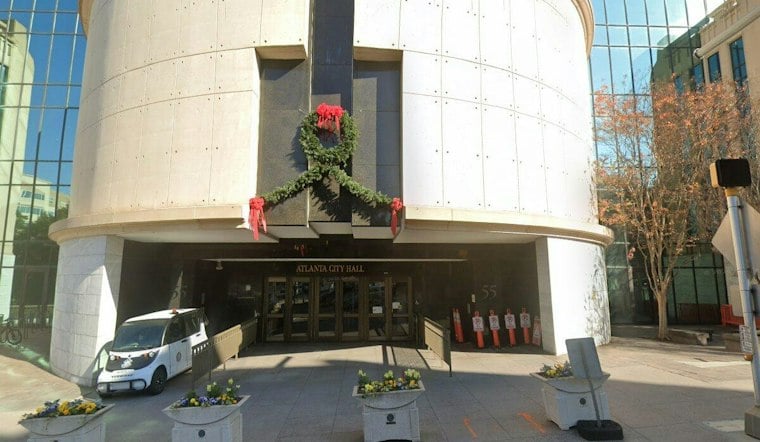
Atlanta officials are sending the city's long-awaited zoning code rewrite back for more work after a city-commissioned critique warned the current draft could leave Atlanta worse off than its existing rules. The revision means the plan to replace the city's zoning code for the first time since 1982 will not reach the City Council for consideration until at least the first quarter of 2027.
Mayor Andre Dickens' administration now plans to revise the draft before the council takes up a new code, according to Axios. City Council Zoning Committee Chair Mary Norwood said the revised draft could return to council for consideration in the first quarter of 2027, and the committee has scheduled a work session on October 15 to discuss the changes. Atlanta also plans to hold two webinars before the amended proposal enters formal review.
The rewrite, known as ATL Zoning 2.0, is meant to replace rules that have governed development in Atlanta since 1982, when the city had roughly 100,000 fewer residents than it does today. Census Bureau estimates put Atlanta's population at 529,110 in 2025, up from 498,715 at the 2020 census, anchoring a 13-county metro area of more than 6.4 million people, per Wikipedia. The city has changed considerably since 1982 in other ways too, including the addition of the Atlanta BeltLine, a project the current code never anticipated.
A Critique That Found the Draft Wanting
Land-use expert Sara Bronin evaluated the December draft code and found it too long and too complex, running 981 pages, per the same Axios report. Bronin also concluded the draft did not do enough to expand housing options or advance the city's economic mobility goals — a significant rebuke for a rewrite meant to loosen restrictions rather than entrench them.
According to Axios, the draft proposal would freeze Atlanta's current single-family zoning in place, effectively creating what the critique described as single-family neighborhood fortresses that would make it difficult to develop other types of housing. The draft does eliminate most residential parking minimums, one of the changes reformers have pushed for since the effort began. The council's zoning committee had already voted unanimously to hold the proposed code before this latest round of revisions.
The City of Atlanta published Draft V2 of the ordinance and collected public feedback through an open comment period that ran through April 8, 2026, according to Dentons. Before that comment period closed, city planning staff and consultant teams analyzed development patterns in 24 representative neighborhoods to evaluate how the rules would perform in practice, per the City of Atlanta.
A Reform Effort Nearly a Decade in the Making
Atlanta's zoning overhaul effort dates back to 2016, and it aims to make the city more walkable, transit-friendly, and accommodating to different housing types. Former planning commissioner Tim Keane championed an earlier push for similar reforms, but neighborhoods pushed back against proposals encouraging greater residential density, and that effort was rejected in 2021.
TSW is the project's consultant, according to Axios. TSW is simultaneously directing comprehensive zoning rewrites elsewhere in the country, including in Richfield Village, Ohio, where a replacement code advanced to public review in late 2026. When Axios sought comment, TSW directed the outlet to city planning officials, and Mayor Dickens' office did not respond to Axios' request for comment.
The Regional Pressure Behind the Push
An Atlanta Journal-Constitution article covered a National Zoning Atlas analysis of metro Atlanta zoning.
Housing market dynamics add another layer of complexity to the debate over single-family zoning protections. Metro Atlanta leads all major U.S. metropolitan areas in institutional investor home ownership, with corporate entities holding roughly 72,000 single-family rental homes — about 30% of the local single-family rental market as of mid-2026, according to HousingWire.
The zoning rewrite is guided by the city's Comprehensive Development Plan. Once the amended proposal is ready, it will go through further review before returning to council.
For now, Atlanta's own overhaul heads back to technical work sessions and further review, with a revised proposal expected to surface in early 2027.





