

























































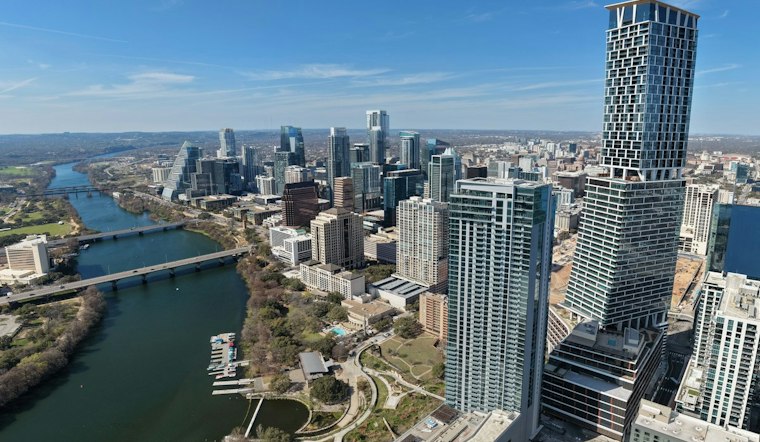
Austin is waking Wednesday to mostly clear skies and temperatures near 80 degrees, but the comfortable start will not last. Afternoon temperatures are expected to reach 100 degrees, with heat-index values near 108 degrees possible in parts of the region. Light winds will offer little relief during the hottest part of the day.
Triple-Digit Heat Holds Through The Weekend
According to the National Weather Service, Thursday should reach 99 degrees, followed by about 100 Friday and a forecast high near 100 Saturday. Sunday and Monday remain near 99 and 98 degrees, respectively, with Tuesday also expected to reach about 100. Overnight lows in the upper 70s will provide only limited relief.
July 2022 was Texas's hottest July on record. According to the NOAA-linked Fifth National Climate Assessment, the risk of extreme heat increases with the global warming level, and recent trends in extreme heat and precipitation foreshadow what is to come in a warmer world.
Rain chances remain low in Austin, around 10% Wednesday and low later in the week. The better chances for showers and storms are expected across the coastal plains, Hill Country and southern Edwards Plateau, although an isolated shower cannot be ruled out locally. The hotter outlook extends the pattern described in Hoodline's earlier forecast.
Light Winds Will Not Do Much To Help
Wednesday's southerly flow should run at 7 to 10 knots, or about 8 to 12 mph, from late morning through the evening as temperatures climb from the low 80s in the morning to around 100 by late afternoon. Thursday will be similarly sunny with nearly calm winds. Saturday becomes somewhat breezier, with winds of 5 to 10 mph and gusts up to 20 mph, but that will not erase the broader triple-digit heat.
Plan Outdoor Time Around The Heat
No watches, warnings or advisories are listed for Austin, but the combination of extreme temperatures, humidity and light winds still calls for caution. Schedule strenuous exercise, yardwork and other outdoor tasks for early morning or after sunset, and take regular breaks in shade or air conditioning. Drink water often, check on older adults and outdoor workers, and never leave children or pets in a parked vehicle. Heat-emergency operations remain part of local planning.





