

























































A traffic stop in Bethesda led to the seizure of 12 kilograms of cocaine concealed inside three car batteries, according to Fox 45 News. Rodrigo Lacayo, 48, of Baltimore, has pleaded guilty to possession with intent to distribute cocaine and possession of firearms in furtherance of a drug-trafficking crime. The case began with a federal investigation and later included a search of Lacayo's home, where investigators found a loaded shotgun and psilocin mushrooms.
The Drug Enforcement Administration began investigating Lacayo in June 2025, according to Fox Baltimore. Agents obtained authorization to track his cellphone location and used that information to identify his home and vehicle in Northwest Baltimore. The U.S. Attorney's Office for the District of Maryland confirmed that Lacayo pleaded guilty.
A Trip to Houston, Then a Traffic Stop
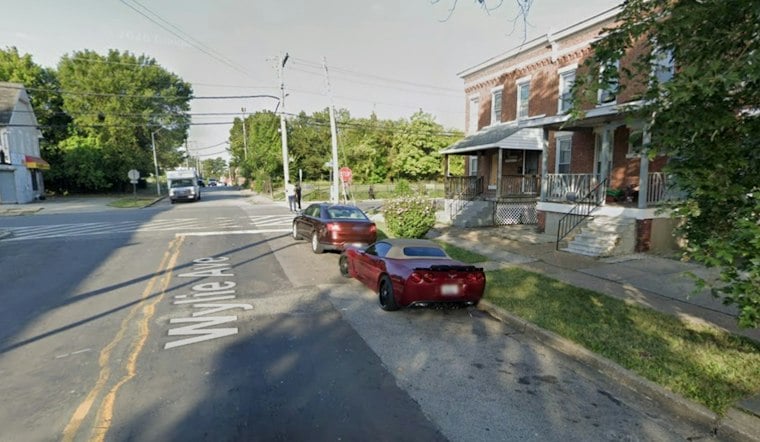
Investigators say Lacayo traveled to Houston on July 8, 2025, and returned to Maryland two days later, according to Fox 45 News. On July 11, Montgomery County police stopped his vehicle in Bethesda because of suspended tags. A police dog alerted officers to possible narcotics, and a search found three cellphones and 12 kilograms of cocaine concealed inside three car batteries in the trunk.
The discovery echoes at least one other case involving drugs stashed in car batteries: per AL.com, a Texas man was sentenced to federal prison after a traffic stop turned up six kilograms of cocaine hidden the same way. A related court filing reviewed separately described six kilograms of powder cocaine concealed inside car batteries in that case, underscoring that the concealment method has shown up in more than one federal prosecution.
Shotgun and Mushrooms Found in Bedroom Closet
A later search of Lacayo's home produced a hydraulic press, about 285 grams of psilocin mushrooms and a loaded 12-gauge shotgun, all from his bedroom closet, the report states. Prosecutors said Lacayo was barred from possessing a firearm because of prior convictions, supporting the weapons charge connected to the drug-trafficking offense.
Investigators also pointed to evidence on one of Lacayo's phones, including photographs of packaged kilogram quantities of drugs, images or records involving large amounts of cash, screenshots of six-figure wire transfers, voice memos and WhatsApp messages discussing drug trafficking, according to Fox 45 News.
What Comes Next
Lacayo faces up to 20 years in prison on the drug charge. The firearm charge carries a mandatory minimum of five years and a maximum sentence of life in prison, according to the same Fox Baltimore account. U.S. District Judge Adam B. Abelson scheduled sentencing for Jan. 28, 2027.
How firearm sentences are measured
The broader federal sentencing picture offers context but not a prediction for Lacayo's case. The U.S. Sentencing Commission reported that the average sentence for individuals convicted under 18 U.S.C. § 924(c) was 149 months in fiscal year 2025. That figure covers all defendants convicted under the statute and does not establish how often drug-trafficking cases involve firearms or determine what sentence Lacayo will receive.
Federal law under 21 U.S.C. § 841 makes it a federal offense to possess a controlled substance with intent to distribute it, among other prohibited conduct. Lacayo's final sentence will be determined at the scheduled hearing.



