

























































An 18-year-old suspect wanted in the shooting death of Milford Mill Academy honor student Jada Sellers shot himself as detectives moved in to serve a search warrant at his Woodlawn home, according to The Baltimore Banner, and now Baltimore's top prosecutor is publicly blaming police tactics for the tragic ending. Christian Hursey, who was Sellers' ex-boyfriend, had been the subject of a highly public search that police branded Baltimore's most wanted.
State's Attorney Ivan Bates said police went against his office's guidance in publicizing the search and may have contributed to Hursey's suicide, according to The Baltimore Banner. Bates criticized the department's decision to publicize the hunt for Hursey, arguing the teen was unlikely to be a public threat and describing the shooting as an act of intimate-partner violence involving a juvenile suspect. He also said Hursey had no apparent financial means to flee and no prior offenses.
Baltimore police pushed back hard, rejecting the idea that publicly identifying Hursey or offering a reward caused the tragic outcome. The department said officers followed established practices for locating and apprehending a violent offender who had remained at large for weeks, per the same report. Mayor Brandon Scott, who had amplified the search for Hursey on social media, backed the police handling of the case and accused Bates of disrespecting the privacy of both the victim's and the suspect's families.
A Case Built on Conflicting Evidence
Sellers, 17, was a student government leader who dreamed of attending college in Texas. She was shot on July 31 and died about two weeks later, as reported by WBAL-TV. Investigators described a case complicated from the start: the Sellers investigation included juvenile witnesses, conflicting accounts and blurry CCTV footage, and investigators later learned another person at the party wore clothing similar to Hursey's, as noted by The Baltimore Banner.
Prosecutors authorized an attempted-murder warrant for Hursey, and Bates said his office approved the charge, but prosecutors did not recall the warrant even as questions mounted about the strength of the case. Prosecutors raised questions about the evidence and assigned police additional tasks meant to strengthen it before any arrest. On August 19, prosecutor Brent Weinberg wrote that he preferred police not release information about Hursey at that time, warning that a public announcement could taint the investigation and detract from the investigative process, The Baltimore Banner reported The Baltimore Banner.
Two Weeks of Searching Before the Warrant Was Served
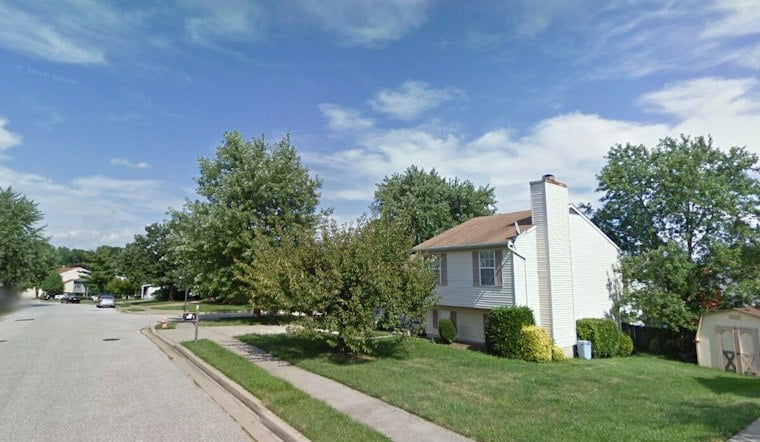
Despite that internal caution, police spent two weeks attempting to serve the warrant, with warrant task force officers working the case around the clock once it was issued. The department said it received family information, anonymous tips and social-media tips during that stretch, per a report from The Baltimore Banner. Hursey had been sharing a home with his grandmother in Woodlawn when detectives arrived to serve the warrant, and it was there that he shot himself.
The Banner's reporting also notes that Hursey, as a child, witnessed his father kill his mother — a detail that adds a grim layer to the debate over how his case was publicized. It was Lindsey Eldridge who suggested using the term Baltimore's most wanted to help find Hursey, and she said Hursey was ultimately responsible for the choices he made. Eldridge also said the connection between Sellers and the police department — Sellers was the goddaughter of a top staffer to former longtime police spokesperson Donny Moses, who served in that role for two decades before retiring in September 2024 — did not influence case decisions.
Family Response and Ongoing Fallout
Sellers' family thanked police for their work on the case while also asking that more resources be deployed to bring Hursey and anyone who may have aided him to justice, according to the same Banner account. The competing narratives from Bates and Scott's administration leave unresolved questions about how much the public search effort weighed on Hursey in his final days, with the state's attorney and the mayor offering starkly different assessments of the same set of facts.





