

























































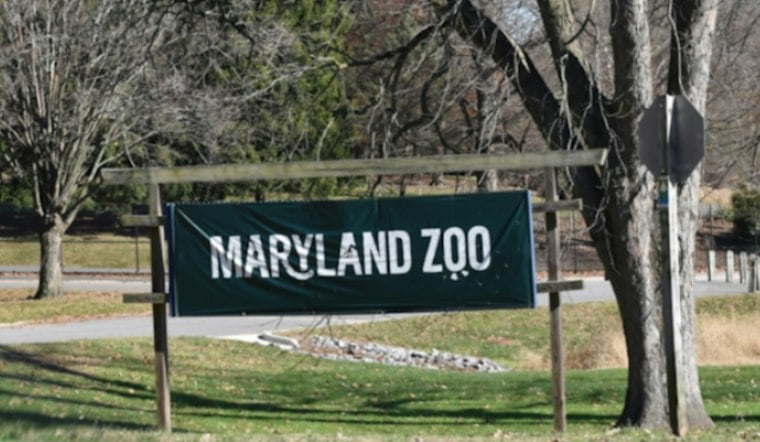
A 9-year-old female yellow-backed duiker named Astrid is now greeting visitors at the Maryland Zoo's Giraffe House, marking the debut of a species never before seen at the Baltimore institution. Astrid arrived from the Dallas Zoo in June 2026 and has since completed a standard quarantine period before making her public debut in Druid Hill Park.
According to FOX45 News, zoo officials say Astrid has already been introduced to Askari, the zoo's resident male okapi, and the two are expected to share the same outdoor yard frequently going forward. Askari, who turned 15 in December 2024 according to the Maryland Zoo, is expected to share the yard with Astrid frequently in the future.
Zoo staffer Erin Cantwell Grimm explained that yellow-backed duikers and okapis share habitat in the wild and have similar temperaments, even though the two animals are physiologically quite different, per the same FOX45 News report.
A Shy Forest Giant With a Telling Name
Yellow-backed duikers are native to Central and West Africa, where they live as shy, forest-dwelling animals rarely seen by people. The station's report notes that the word duiker itself means diver in Afrikaans, a nod to how these antelope dive into thick underbrush when startled.
Astrid weighed a little more than 180 pounds when she arrived at the zoo, according to zoo officials cited by FOX45 News. That is a striking figure next to the adult female blue duikers seasonally visible at the Maryland Zoo's African Aviary, which typically weigh just 8 to 16 pounds. Physically, yellow-backed duikers carry short horns and light markings around the jaw, along with a signature marigold-colored strip of hair running along their backs. The Los Angeles Zoo describes the marking as a triangular yellow patch on the rump; the animals also have preorbital facial glands used for scent-marking.
Those markings serve more than a decorative purpose in the wild. Fallen fruits and seeds dropped by canopy birds and primates make up as much as 70 percent of the species' diet in Central and West African rainforests, according to the Los Angeles Zoo, making yellow-backed duikers important seed dispersers that help regenerate tropical forest ecosystems. The Los Angeles Zoo reports that yellow-backed duikers can grow to about 2.5 feet at the shoulder and have a lifespan of 10 to 14 years; Ultimate Ungulate describes the yellow-backed duiker as the largest duiker species.
Conservation Status and Wild Threats
The International Union for Conservation of Nature lists yellow-backed duikers as near threatened, with overhunting in the wild identified as a key conservation threat, FOX45 News reports. That vulnerability is part of what makes Astrid's presence at the Maryland Zoo notable beyond simple novelty, since her exhibit gives Baltimore-area visitors a rare look at a species facing pressure from overhunting in its native range.
Part of a Broader Wave of New Arrivals
Astrid is the Maryland Zoo's second newly introduced species in the past four months, following the arrival of two red pandas earlier in 2026, according to FOX45 News. Those red pandas, 7-year-old Aurora and 1-year-old Ember, moved in ahead of Astrid, with Ember's name chosen through a public naming contest in July, according to the Maryland Zoo. Together, these arrivals add new species to the zoo's lineup.
The zoo's Strategic Master Plan covers modernization of Main Valley, the oldest section of the zoo's grounds. Hoodline previously reported on the groundbreaking for the red panda habitat before Astrid's arrival, and the zoo also welcomed a young giraffe named Big Mac in December as part of its broader ungulate breeding efforts.
The debut also lands during the zoo's 150th-anniversary year, which the institution is marking in 2026.
A Zoo With a Track Record in Conservation
The zoo has also stepped into a regional safety-net role for wildlife in crisis; in July, Baltimore County Police seized an illegal exotic lemur and an infant spider monkey during a sting in Towson, and both animals were placed under the Maryland Zoo's specialized care, as Hoodline reported in its coverage of the Towson wildlife studio sting.
For now, visitors to the Giraffe House can watch Astrid settle into her new surroundings. She is expected to share the outdoor yard with Askari frequently in the future, giving Baltimore-area families a firsthand look at a species most will never have encountered before.





