

























































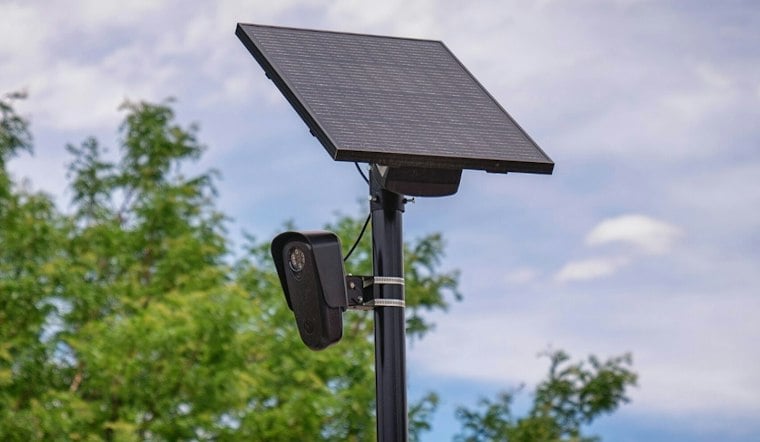
Bedford Township's Downtown Development Authority voted unanimously Sept. 10, 2026, to terminate its agreement covering four Flock license-plate readers at Sterns and Secor roads. The decision ended the DDA's role in funding the cameras rather than resolving the broader debate over automated plate-reader surveillance. CBS Detroit reported that the vote followed Monroe County's decision to stop funding, hosting and using Flock cameras in sheriff-patrolled areas.
The timing drew attention because sheriff's deputies had said the network helped identify a 19-year-old driver accused of passing a stopped Bedford Public Schools bus on Douglas Road, nearly striking an elementary student. That case demonstrates why law-enforcement officials defend the technology, but the available reporting does not establish how much the camera data contributed to the identification or whether the case changed the DDA's decision.
A local funding decision with wider consequences
Bedford's action came after the Monroe County Board of Commissioners voted 8-1 on Sept. 1 to withdraw county support for Flock cameras. The county's decision left individual townships to choose between paying for their own systems and maintaining data-sharing arrangements with the sheriff's office or ending their agreements, according to CBS Detroit. Bedford chose not to assume that cost.
That choice should not be read as proof that the cameras are ineffective or that every community is abandoning them. It is a decision about local control, expense and access to a regional surveillance system. The current record also does not say whether the cameras were immediately removed, how long previously collected data remains available, or whether another agency will operate the equipment.
The privacy question is about use as well as collection
A separate incident in Michigan City, Indiana, illustrates a different risk. Indiana Public Media reported that a police officer resigned while under investigation after a department audit identified searches that allegedly violated agency policy. That episode involved unauthorized access, not a municipal contract cancellation, so it is a comparison about oversight rather than evidence that Bedford's system was misused.
Michigan lawmakers are considering rules that would put more limits around that access. WILX reported that state Sen. Jim Runestad's proposal would generally require a warrant to search an automated license-plate-reader database, with exceptions for active criminal, missing-person and stolen-vehicle investigations. The proposal is not current statewide law; it would also reduce the retention period discussed in the report to 14 days from the 30 days common among many agencies.
Flock Safety has separately said it recommends a seven-day default retention period and is introducing an Evidence Mode for preserving data tied to active investigations, while allowing existing customers to keep their current retention periods. The company says those measures are intended to address privacy and transparency concerns. Bedford's vote therefore leaves an unresolved practical question: whether ending the township's contract will change data access, data retention or only who pays for and administers the cameras.





