

























































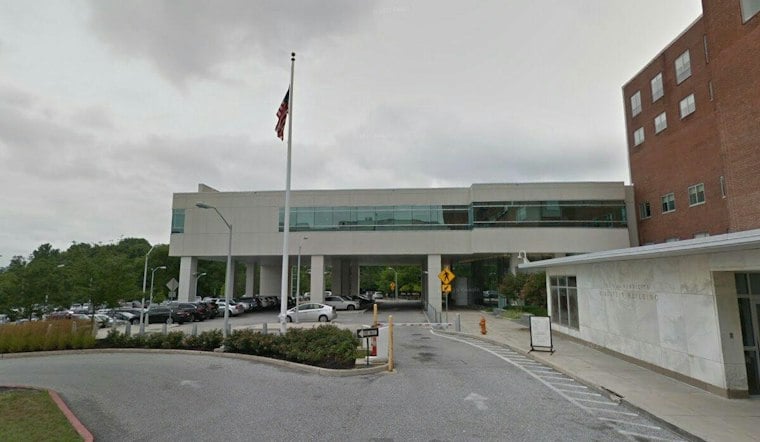
The Safe Streets site in Baltimore's Belvedere neighborhood has gone a full year without a homicide, becoming the sixth site across the city to reach that milestone in 2026. It's a marker city officials and violence-prevention workers are pointing to as evidence that community-based intervention, paired with a broader citywide drop in killings, is reshaping how some Baltimore neighborhoods look and feel.
A Sixth Site Joins the Streak
According to WBAL News Radio, Belvedere's yearlong stretch without a killing makes it the sixth Safe Streets zone in Baltimore to hit the one-year mark this year. The outlet also reported that the Safe Streets site at McElderry Park in East Baltimore reached 403 days without a homicide back in July, extending a run that has made it something of a model for the program since it opened as the first Safe Streets site in 2007, according to Johns Hopkins’ Center for Gun Violence Solutions.
Belvedere's own outreach numbers were notable on their own. The site recorded more than 120 successful conflict mediations in the period beginning Sept. 19, per the station's report, while Safe Streets sites across the entire city mediated more than 1,000 conflicts over that same stretch. Baltimore Mayor Brandon Scott credited the Group Violence Reduction Strategy with contributing to the city's broader crime-fighting efforts, while also saying residents themselves must support violence-prevention work to drive what he described as deep culture change.
Messengers on the Ground
Safe Streets relies on trained messengers, often drawn from the community itself, to mediate conflicts and prevent shootings before they happen, per Johns Hopkins researchers. Adam Rosenberg said the program's violence-prevention work helps residents go home safer, reflecting the philosophy driving outreach teams in neighborhoods like Belvedere. LifeBridge Health, which treats gun violence as a public safety issue, operates its Center for Hope arm to manage six of the city's ten Safe Streets sites, according to the health system's own account of its community violence intervention work.
That public-health framing extends into hospitals as well. Sinai Hospital reported a 52% reduction in gunshot wound admissions, and LifeBridge Health started the Safer Futures Program, which offers free gun locks to families. LifeBridge Health and Sinai Hospital have distributed hundreds of those locks through the initiative, with nearly 800 given out citywide since launch, according to WBAL-TV. Reporting on when the program began is not consistent: WBAL-TV said LifeBridge Health began the program in June, while a Center for Hope post said the Safer Futures Program launched in May 2026 as a systemwide firearm-safety initiative.
What the Research Says — and Doesn't
A 2026 study led by Johns Hopkins researchers found that Safe Streets was associated with a 42% reduction in homicides involving youth ages 15 to 24 and a 21% reduction in youth nonfatal shootings, examining 11 sites across the city from 2007 to 2023. But the center's own summary of the findings was careful to flag their limits: the results varied greatly by site and were not statistically significant, a pattern the researchers linked in part to small sample sizes at individual locations.
That variation was stark. Five of the 11 sites studied showed estimated reductions in youth homicides ranging from 37% to 100%, but two sites showed estimated increases of 46% and 89%, per the Hopkins center's report. Seven of the 11 sites saw estimated drops in youth nonfatal shootings ranging from 27% to 75%. Community violence intervention work of this kind now includes participation from medical institutions across the city, which increasingly approach violence itself as a public health issue rather than solely a policing matter.
Part of a Broader Citywide Drop
Belvedere's milestone lands amid what several outlets have described as a historic decline in Baltimore violence. The city logged 50 homicides through the first six months of 2026, the fewest in a first half of any year since at least the 1960s, according to The Trace. The Baltimore Police Department's own mid-year crime report showed homicides down 23% as of July 1, with 50 recorded in 2026 compared with 65 over the same period in 2025, alongside a 60% homicide clearance rate.
By August, the trend had held. The city had recorded 60 murders from January through August, the fewest homicides at that point in the year in Baltimore's history, the New York Times reported. As of Sept. 1, the city had recorded 72 homicides and 201 nonfatal shootings, according to a separate account from Baltimore Fishbowl, which also reported that five of Baltimore's ten Safe Streets sites — Park Heights, Woodbourne-McCabe, Sandtown, Penn North and McElderry Park — had each exceeded 365 days without a homicide as of late August, with frontline staff mediating more than 929 potentially violent conflicts and connecting 338 at-risk residents with support services by that point.
Other city strategies point in a similar direction. An evaluation affiliated with the University of Pennsylvania found that Baltimore's Group Violence Reduction Strategy was associated with roughly one-third declines in shootings and homicides, and close to a 40% decline in carjackings, in the Western District within 18 months, per The Trace's reporting. For a neighborhood like Belvedere, the numbers add up to a year that, at least on the immediate measure that matters most to families living there, passed without a homicide.




