

























































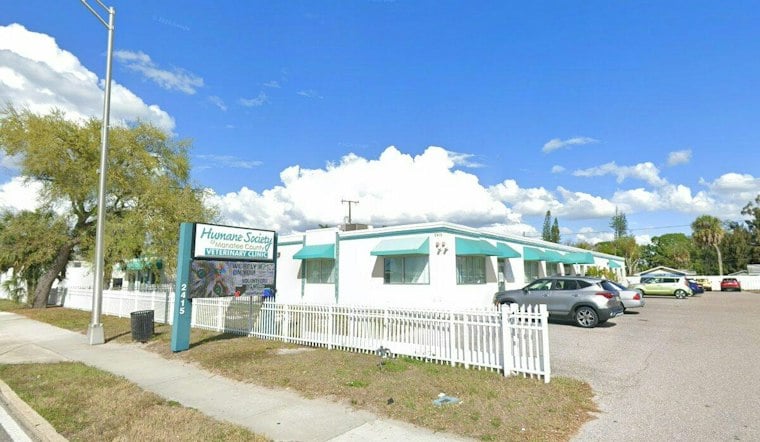
The Humane Society of Manatee County is planning a $13 million transformation of its Bradenton campus, replacing a shelter building that has stood since 1947 with a modern facility nearly double the current size. The overhaul will overhaul a site that has housed the nonprofit's animal care operations for 55 years, and construction is expected to unfold in phases through 2028.
The nonprofit's current 2.5-acre campus on 14th Street West operates out of several separate structures, including that original 1947 main shelter building and a Cat Cottage that is even older, according to FOX 13 Tampa Bay. The planned renovation will grow the facility from about 6,700 square feet to nearly 12,000 square feet, according to the Business Observer, with a new 12,000-square-foot Second Chance Adoption Center and a separate 4,000-square-foot cat building among the additions. Shelter leadership noted that current indoor spaces are cramped for both animals and staff, per the same report.
A Phased Build Meant to Keep the Shelter Running
Construction is designed to proceed in stages so the shelter can keep operating throughout the process. Work is set to begin in late 2026 with the renovation of a vacant 4,000-square-foot building into a new cat facility, expected to be ready by spring 2027, the Business Observer reports. Felines will be moved into that space before older dog structures are demolished in 2027, with the full adoption center slated for completion around May 2028.
The Humane Society has selected Lakewood Ranch-based Fawley Bryant Architecture to design the new campus, along with Venice-headquartered JE Charlotte as construction manager, according to an HSMC press release. The release describes both firms as rooted in Southwest Florida, with local knowledge and relevant experience.
Splash Pads, Sound Dampening and Storm-Ready Construction
Beyond square footage, the new campus is built around reducing stress for the animals that pass through it. The design incorporates acoustic and lighting controls, separate adoption and surrender areas, and three outdoor turf yards, with one planned to include a pool or splash pad, per FOX 13 Tampa Bay's reporting. The entire structure is also being built to hurricane-resistant standards, consolidating operations under a single, sturdier roof.
The project carries an estimated price tag of $13 million to $13.5 million, funded largely through a major private gift, investment accounts, individual contributions and earnings from the nonprofit's veterinary clinic, the Business Observer reports. That funding mix is bolstered by HSMC's annual operating revenue of nearly $4.66 million in 2025, though the charity is seeking additional community support to help offset future operational costs.
A No-Kill Shelter With a Growing Medical Footprint
Founded in 1970, the Humane Society of Manatee County is a no-kill 501(c)(3) charity that facilitated 402 dog and cat adoptions during its 2024–2025 fiscal year. Average shelter stays run under 40 days for dogs and under 50 days for cats, according to the nonprofit's own shelter statistics, with most animals arriving through owner surrenders or transfers from regional municipal shelters.
Adjacent to the adoption facility, HSMC also runs a low-cost public veterinary clinic. As of August 2018, the clinic had three full-time veterinarians and provided care for roughly 13,500 animals a year, according to the organization's expansion of services. Clinic revenues help subsidize both shelter operations and the coming campus improvements.
Part of a Broader Manatee County Push
HSMC's expansion lands amid a wider wave of animal welfare investment across Manatee County. The county opened a new Animal Welfare Resource Center in Bradenton in June 2026 to expand access to community pet care, according to Manatee County government.
In December 2025, the county also officially opened its modernized, expanded Bishop Animal Shelter in Bradenton, replacing an outdated facility built in Palmetto and serving as the county's primary public shelter hub. Together, the projects mark a broader regional shift away from mid-20th-century animal care infrastructure toward facilities designed for both animal welfare and storm resilience.




