

























































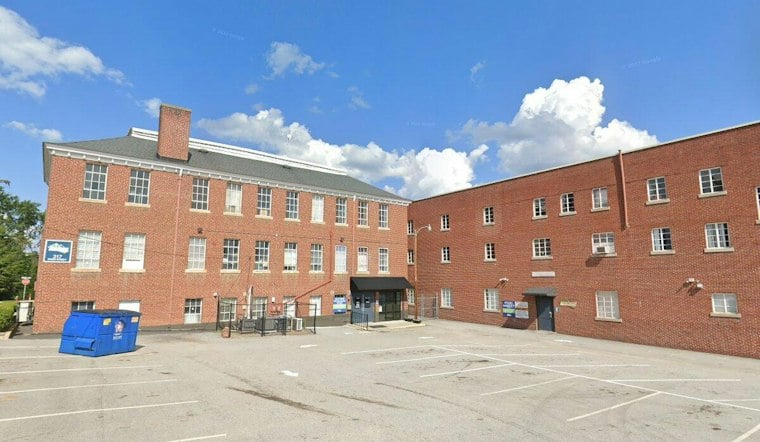
BridgeWay Village is nearing completion on Spartanburg’s Northside, with its first residents expected to move in on November 1. The planned 18-home community is intended for single women and small families experiencing homelessness, offering furnished transitional housing while residents work toward more permanent arrangements, WSPA 7News reports.
The project began as a First Baptist Spartanburg initiative in 2020. The church invested $1.6 million before transferring ownership of the property to Homes of Hope in 2025. A Place to Call Home is expected to lease the village from Homes of Hope in November and oversee intake, daily operations and support services, according to WSPA and The Post and Courier.
A small campus with a temporary purpose
The village is planned to include nine studio homes and nine two-bedroom homes, all smaller than 400 square feet. Three homes of each type are designed to be accessible to residents with disabilities. Each unit will include a full bathroom and basic furnishings, WSPA reports.
BridgeWay is not intended to be permanent housing. Residents may stay for roughly two years while working through obstacles that can make a conventional lease difficult, including prior evictions, inconsistent employment or poor credit. The program is expected to combine housing with case management, life-skills instruction, transportation support, job training and help navigating benefits and longer-term housing, according to A Place to Call Home.
Residents will pay a program fee tied to income, capped at $650 a month and limited to no more than 30% of earnings, WSPA reports. Participants are also expected to work toward employment, save money and meet regularly with a case manager. Construction and finishing work remained before occupancy as the planned November 1 move-in approached, so the November 1 timing is an expected move-in target rather than a completed opening.
Local need, with limits to the available record
The project arrives amid a statewide housing problem. The South Carolina Interagency Council on Homelessness’ 2025 State of Homelessness Report says the state is experiencing an affordable housing crisis. That finding supplies broad context for a program designed to help people move from homelessness into housing, but it does not measure BridgeWay’s likely demand or establish how many Spartanburg residents will seek its 18 units.
A Spartanburg County community-development report from fiscal year 2013 said emergency shelters and transitional-housing units were already in very high demand. The report is more than a decade old, however, and does not provide a current countywide homelessness count or show how local conditions have changed since then. Those gaps limit what can be concluded about the present scale of need from the available records.
Part of a wider, varied approach
BridgeWay is one of several South Carolina efforts using small or transitional housing, though the programs are not interchangeable. House of Hope of the Pee Dee’s Hope Village in Florence welcomed its first guest, a single mother and her baby, in June 2022. The organization describes the program as offering women up to 24 months of housing and training intended to help them support themselves and their families, according to House of Hope of the Pee Dee.
A separate project in Florence County was at the groundbreaking stage in August 2026. WMBF reported that the planned community for unhoused women and children was expected to include 10 homes. Its location, timing and planned size distinguish it from BridgeWay Village, so the two projects are examples of related efforts rather than evidence of a coordinated statewide expansion or a measured trend, according to WMBF News.
For Spartanburg, the immediate test will be whether the combination of small homes and structured support helps residents secure housing after leaving the village. Homes of Hope will own and oversee the property, while A Place to Call Home is set to run the program; the organizations’ forthcoming operation will determine how many residents are admitted, how long they stay and what outcomes the community ultimately records.





