

























































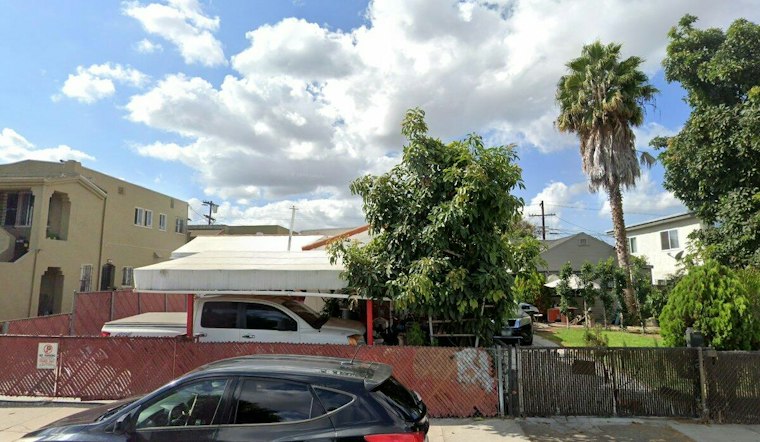
California's Senate Bill 684 created a streamlined approval path for certain small-lot housing projects on eligible urban infill sites. The law's ministerial process applies only when a proposal meets its requirements.
How State Law Streamlines Some Small-Lot Projects
How the State Law Works
California Senate Bill 684, known as the Starter Home Revitalization Act, took effect in July 2024 and created a mandatory 60-day ministerial approval process for small-lot subdivisions of up to 10 housing units on eligible urban infill sites. For projects that meet the law's criteria, the process bypasses environmental review under the California Environmental Quality Act and public hearings, according to Los Angeles City Planning.
Under city planning standards for SB 684 projects, newly created small lots in multifamily zones must be at least 600 square feet, and total floor space across units can't average more than 1,750 net habitable square feet. For purposes of SB 684's 10-unit cap, ADUs and JADUs are excluded in multifamily zones; in single-family zones, only JADUs are excluded.
West Adams Context
West Adams includes preserved older architecture.
Small-lot proposals have also appeared elsewhere in Los Angeles: Hoodline has reported on a Mid-City proposal to replace a 1930s home on Point View Street with six small-lot townhomes, and on an August filing for six small-lot homes on Randolph Avenue in El Sereno.
Will These Count as Starter Homes?
SB 684 seeks to increase homeownership opportunities, but whether projects built under the law will expand access to homeownership remains an open question.
Los Angeles pioneered small-lot housing on its own two decades before the state stepped in, having enacted its municipal Small Lot Subdivision Ordinance in January 2005 under Ordinance 176,321 to encourage fee-simple homeownership on compact lots. That local ordinance let developers build townhome-style detached homes without traditional setbacks or guest parking mandates. State lawmakers have since gone further: Senate Bill 1123 and Assembly Bill 130, effective July 2025, expanded the streamlined small-lot process to vacant lots in single-family residential zones as well, with a minimum lot size of 1,200 square feet per parcel — opening up even more of the city's single-family land to this kind of redevelopment.





