

























































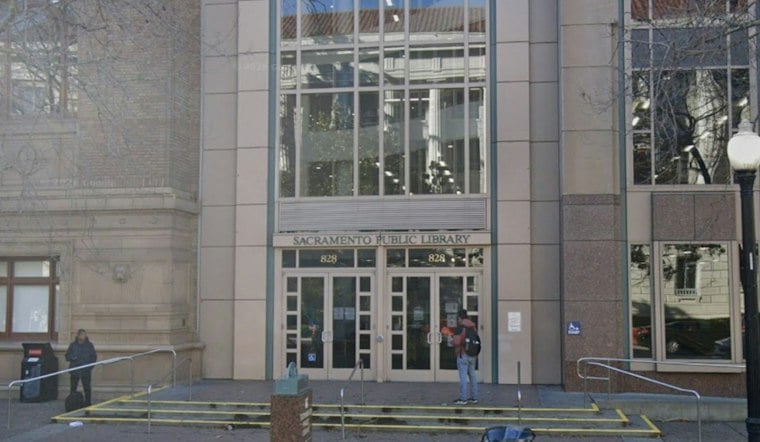
Sixteen- and 17-year-olds across California will soon be able to walk into a public library and walk out with their own library card, no parent or guardian required to tag along. The change comes from newly signed state legislation that takes effect January 1, 2028, and is designed to smooth out a messy, inconsistent system that currently varies from one library branch to the next.
A Patchwork Of Rules Across The State
Under current practice, California libraries have wildly different requirements for minors seeking a card, according to The Napa Valley Register. Some branches insist a parent or guardian physically show up, others simply want a signature on file, and still others demand identification and proof of residency before handing over a card. That inconsistency is exactly what Senate Bill 965, authored by State Senator Catherine Blakespear of Encinitas, was written to fix, according to a bill analysis reviewed by the same outlet.
The bill, which LegiScan shows was introduced in February 2026, adds Section 18732 to the California Education Code. It builds on the California Library Services Act, a decades-old framework under Education Code Sections 18700 and 18701 meant to guarantee residents free and convenient library access no matter their local tax base, according to the Assembly Committee on Education.
Lawmaker Says Working Parents Face Real Barriers
Blakespear said in-person parental consent creates barriers for teens whose parents or guardians simply do not have the time to accompany them to a library branch during open hours, per the Register's reporting. She has also said the bill clarifies eligibility under existing systems while preserving local control over library operations and accountability for materials.
The legislation had deeply personal roots. During an April 2026 committee hearing, Blakespear's son, Oliver Blakespear, then a junior at The Grauer School in Encinitas, testified that he once could not check out a book about a guitar because he did not have a legal guardian present. He said both his parents worked and described the situation as inconvenient, “while we still made time,” according to The Coast News Group.
What The Law Does And Does Not Change
Importantly, the law does not eliminate parental oversight entirely. While SB 965 bars libraries from requiring a parent or guardian to be physically present, it still allows local libraries to request a parent's signature before issuing a card to a teen, a nuance detailed in the Assembly Committee on Education's analysis. That signature option does not apply to legally emancipated minors, who are exempt from it altogether.
The bill sailed through the legislature with little resistance. It passed the California Senate on a unanimous 35-0 vote in August 2026 before clearing the State Assembly on a 68-2 vote in August 2026, according to a LegiScan roll call record. Because the measure expands administrative duties for local libraries, it is classified as a state-mandated local program, meaning California is required to reimburse libraries and school districts for related implementation costs.
Part Of A Larger Family-Friendly Package
Governor Gavin Newsom signed SB 965 into law in late September as part of a broader package of what his office called “commonsense” consumer and family legislation. That package also included a bill regulating streaming advertisement volume and another allowing virtual parent-teacher conferences, according to the Office of Governor Gavin Newsom.
SB 965 also fits within a broader run of state legislation aimed at protecting library and educational material access for young Californians. It follows the California Freedom to Read Act, also known as AB 1825, which Newsom signed in September 2024 and which requires public libraries to adopt written collection policies while barring the banning of materials based on race or sexuality, per the California State Library. It also echoes Assembly Bill 1078, enacted in September 2023, which prohibited school boards from banning books or instructional materials containing inclusive and diverse perspectives and authorized financial penalties for districts that failed to comply, according to Lozano Smith.
California libraries have experimented with easing access for young patrons before. Earlier student card integration initiatives allowed school districts to issue library access tied to student ID numbers, while still giving parents the option to opt their children out, according to the California Library Association. SB 965 takes a different approach, allowing 16- and 17-year-olds to seek cards without a parent physically present, though libraries may still require parental consent or a signature, except for legally emancipated minors, while leaving each library's own policies on lost or damaged items untouched.



