

























































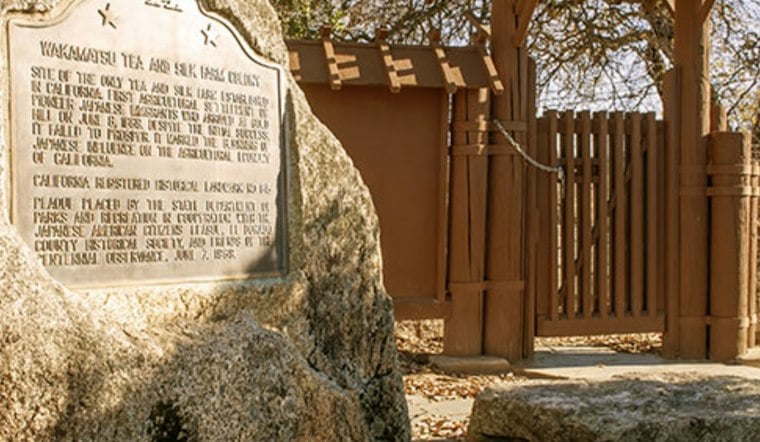
A free, all-ages festival celebrating California's native plants will take over Wakamatsu Farm in Placerville on October 11, running from 10 a.m. to 2 p.m., with live plant sales, art demonstrations, storytelling and hands-on nature activities spread across the historic 272-acre property. The Art of Native Plants event brings together dozens of artists, naturalists, conservation groups and educators for a day built around California native flora, nature and culture.
The event is organized through a collaboration between the American River Conservancy and the El Dorado Chapter of the California Native Plant Society, according to the Mountain Democrat. Attendees can browse native plants, seeds, artwork, books, naturally dyed goods and nature-inspired merchandise while engaging with hands-on demonstrations and wildlife education throughout the grounds.
A Keynote Rooted in Decades of Ethnobotany
Headlining the festival is M. Kat Anderson, an ethnobotanist, author, teacher and scholar who will introduce her newest work, and the Mountain Democrat's release notes she will discuss it during her appearance. Anderson previously authored “Tending the Wild: Native American Knowledge and the Management of California's Natural Resources,” a landmark study published by the University of California Press that documented how Indigenous Californians actively shaped the landscape through controlled burning, pruning and selective harvesting.
In January 2026, Silverweed Press published Anderson's follow-up, “I Sing to the Earth and She Sings Back: Stories of Learning from Nature and Native People,” a collection of essays centered on building respectful human relationships with nature through Indigenous ecological wisdom, according to Goodwill Books. She is expected to introduce that book to festivalgoers at Wakamatsu Farm.
Plant Sales, Vendors and Community Partners
The El Dorado Chapter of the California Native Plant Society, active since 1993 and holding its first public native plant sale in 1994, according to the chapter's own history, will offer native plant education and live plants for purchase at the event. The chapter is also running online plant sales from October 1 through October 4, with pickup available the day before the festival and on the festival day itself, per the Mountain Democrat's release.
Miridae Mobile Nursery, which operates a retrofitted box truck as a pop-up plant shop across the Sacramento region, will sell live plants and seeds on-site. The nursery was founded in 2020 by a UC Davis ecology PhD graduate aiming to widen community access to native species, according to Miridae. Other participants named in the release include the U.S. Fish and Wildlife Service, Sierra Foothills Audubon Society, Sierra Wildlife Rescue, Placer Land Trust, and the Coloma-Lotus Fire Safe Council.
Additional vendors and activities include Wild Bounty, offering hands-on processing, preparation, cooking and eating of locally gathered California acorns, and The Bookery, selling books about native plants and nature. The American River Conservancy will run youth art, painting and nature journaling stations, and Mallow Root will host a native seed bar. The conservancy also operates a monarch waystation at Wakamatsu Farm, per the release.
Storytelling, Art and Music Fill Out the Day
Local Miwok storyteller Kimberly Shiningstar Petree will share stories connecting culture, people and the natural world, while the band Hither & Yon will provide live music at the event. A lineup of visual artists will demonstrate their craft on-site: Andie Thrams Artworks will show how to make inks and paint using native acorns, oak galls and wildfire charcoal, Susan Hayne will showcase woodblock and linocut prints of native plants, birds and insects, and Sarah Guerere Art will feature watercolors of California native wildlife.
Elizabeth Standeven will explore mushrooms and natural dyeing, and poet Lara Gularte will lead sessions in nature-inspired haiku, free verse and ekphrastic poetry, according to the festival's release. Together, the offerings reflect the Mountain Democrat's framing of the event as one built around art, demonstrations, storytelling, wildlife education and hands-on activities for all ages.
A Working Farm With a National Landmark Past
Wakamatsu Farm itself carries outsized historical weight for a rural property in the Sierra foothills. On June 8, 1869, 22 samurai and their families led by John Henry Schnell established the Wakamatsu Tea and Silk Farm Colony at Gold Hill near Placerville, creating the first permanent Japanese agricultural settlement in North America and the only samurai colony outside Japan, according to California State Parks. Hoodline previously noted the farm's 1869 founding in coverage of a nearby Cold Springs Road property sale.
The property also contains the gravesite of 19-year-old colonist Okei Ito, who died in 1871 and is recognized as the first Japanese woman buried on U.S. soil, a detail documented by Sierra College's historical research. Governor Ronald Reagan designated the colony as California Registered Historic Landmark #815 in 1969, and the National Park Service added it to the National Register of Historic Places in 2009, cementing the site's status as a cross-cultural pilgrimage destination.
The American River Conservancy owns and operates the 272-acre Wakamatsu Farm. Since its founding in 1989, the nonprofit conservancy has protected more than 27,500 acres of open space, wildlife habitat and watersheds across the upper American and Cosumnes River basins.
Beyond its landmark status, Wakamatsu Farm remains active agricultural ground. The Mountain Democrat's release notes that FogDog Farm grows and sells produce on-site, and that Wakamatsu Farm connects thousands of visitors each year with the natural world, human history and fresh produce alike.



