

























































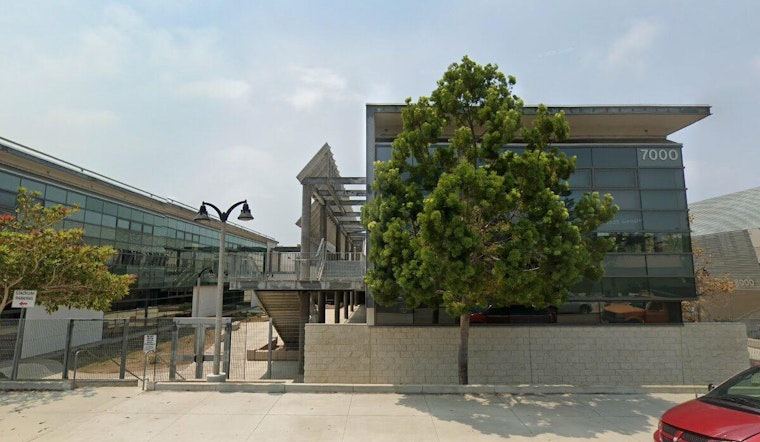
Carlsbad High School went into lockdown just before midday Thursday after someone phoned in a threat, sending parents scrambling for information before Carlsbad police determined the danger was not credible. The lockdown was put in place at 11:26 a.m. and prompted an immediate response from the Carlsbad Police Department, which swept the campus before clearing students and staff to resume their day.
According to FOX 5 San Diego & KUSI News, Carlsbad High School instituted the lockdown in collaboration with the Carlsbad Police Department after the threatening phone call came in. Principal Julie Redfield sent an email to parents and guardians informing them of the situation, describing the lockdown as a safety measure meant to keep students and staff securely in their classrooms while officers responded. The outlet reported the story as developing as details continued to emerge Thursday afternoon.
Carlsbad police responded to the campus and began investigating the threat, and by the time the lockdown was lifted, officers had determined it was unsubstantiated and not credible, according to Between Moments. That finding allowed Carlsbad Unified to lift the precautionary lockdown and return the campus to normal operations. The report did not say whether police were trying to identify the caller.
A Familiar Drill for Carlsbad Schools
Carlsbad High School serves roughly 2,336 students in grades 9 through 12 across a 29.1-square-mile attendance zone, per Public School Review. Sage Creek High School was established in 2013 to ease enrollment pressure.
Thursday's scare is not the first time those protocols have been tested this school year. In April, Sage Creek High was placed on secure status after a water bottle caused a small explosive reaction and prompted a secure-campus response, a scene Hoodline covered in its report on the Sage Creek scare. The schools are part of Carlsbad Unified.
Part of a Broader Regional Pattern
The Carlsbad incident involved a phoned-in threat, a lockdown and a police investigation.
The incident underscored how seriously false emergency reports can be treated even when no device or credible danger is ultimately found.
What the Law Says About Threats Like This
California law imposes penalties on anyone found responsible for a false bomb or explosive threat like Thursday's. Penal Code Section 148.1 makes knowingly reporting a false bomb or explosive threat to law enforcement or schools punishable by up to a year in county jail or state prison, according to legal codes compiled by FindLaw.
Identifying the person behind an anonymous or digitally routed call remains one of the hardest parts of these investigations, even with strict penalties on the books. Assemblymember Darshana Patel's Assembly Bill 237, a 2025 measure, was aimed at closing a legal loophole that had made it difficult to prosecute people who issue mass school threats without naming a specific victim, according to CalMatters. That effort followed a case in which a San Diego court dismissed charges against a suspect because his mass shooting threat targeted an entire elementary school rather than a named individual.
Viral threat trends are not new to Southern California schools either. Back in December 2021, a nationwide TikTok trend promoting anonymous school violence threats caused widespread campus disruptions and heightened police patrols across San Diego County and the broader region, a reminder that unsubstantiated threats can ripple far beyond the campus where they originate. The reports did not include arrest details, and the investigation remains ongoing.





