

























































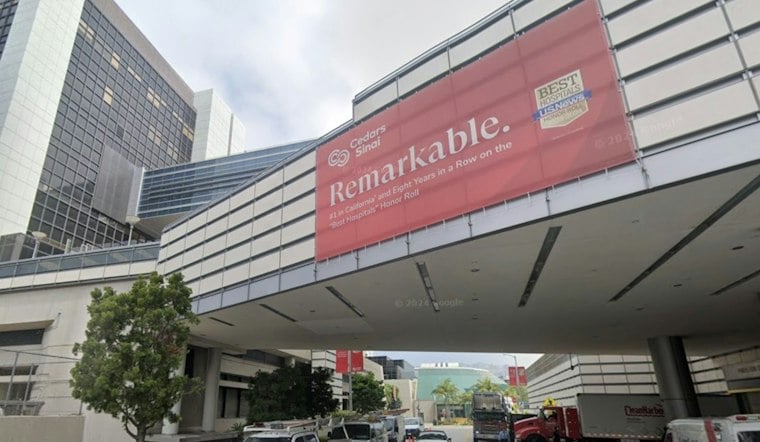
Cedars-Sinai says it has begun transplanting organs from deceased HIV-positive donors into HIV-positive recipients, including a liver transplant for 71-year-old Los Angeles resident Billy Miller. Miller, who has lived with HIV since the 1980s, says he feels “1,000% better” 10 weeks after the procedure. He is one of three patients recently treated through the program; the other two received kidneys. The hospital says the program is the only one of its kind in the Los Angeles area.
A Liver That Began Shutting Down
Miller told CBS LA that his liver was shutting down and that he was dizzy and in poor health while waiting for a transplant. Because he expected a donated liver through the national registry could take years, he accepted Cedars-Sinai’s offer of an organ from an HIV-positive donor, according to the station.
Cedars-Sinai’s three patients included Miller and two HIV-positive kidney recipients, who are doing well, per the CBS LA account. Miller is recovering at home and told the station he hopes to thank his donor’s family.
How the Program Came Together
Cedars-Sinai says the procedures were its first kidney and liver transplants using organs from deceased HIV-positive donors for HIV-positive recipients, according to a statement from Cedars-Sinai. The hospital says the first HIV-positive kidney recipient had waited more than two years on a standard list but received an organ offer in less than a week after joining the HIV-positive donor list. It contrasts that with the eight-to-10-year kidney waits many Southern California patients face.
The shift traces back to the 2013 HIV Organ Policy Equity Act, which allowed clinical researchers to begin studying HIV-to-HIV transplants, Cedars-Sinai says. The rule was amended again in 2024 to remove strict research requirements, according to the hospital’s account, a change that Patch reports followed studies documenting the safety and effectiveness of the procedures. Cedars-Sinai then formed a multidisciplinary committee to establish its HIV-to-HIV program.
A Team Built for Close Monitoring
The program draws on liver and kidney transplant surgeons, nephrologists, hepatologists, transplant pharmacists, infectious disease experts and transplant coordinators, the news service reports. The infectious-disease team plans to monitor recipients' HIV closely during the first six months after transplantation, since that window is when the immune system faces its greatest strain, per the same report.
Dr. Irene Kim, chair of the Cedars-Sinai Department of Transplantation, said the program seeks to make every donor organ work, according to CBS LA's account of Miller's case. Advances in antiretroviral therapy have allowed people with HIV to live significantly longer and healthier lives, the hospital notes, which also means more of them may eventually need transplants for unrelated conditions like liver or kidney failure.
A Small Piece of a Larger Shortage
More than 95,000 people are on the kidney transplant waiting list nationwide, according to Patch, underscoring the scale of the organ shortage. Cedars-Sinai’s donor-organ list for HIV-positive patients offers a narrower potential path for a group long excluded from transplant eligibility under federal law until the HOPE Act opened the door.
What the Broader Evidence Shows
Published research provides kidney-transplant context but does not establish outcomes for Cedars-Sinai’s three new recipients. According to Johns Hopkins Medicine, a multicenter U.S. study released Oct. 16, 2024, compared 198 HIV-positive kidney recipients: 99 received kidneys from deceased HIV-positive donors and 99 received kidneys from donors without HIV. The study was about kidney transplants, not Cedars-Sinai’s liver transplant event.
Wait times vary for many reasons, and the United Network for Organ Sharing says donated organs remain insufficient to meet demand; the experience of these three patients therefore should not be treated as typical for all candidates. Separately, NYU Langone Health reported that on March 21, 2026, it performed the world’s first HIV-positive-to-HIV-positive lung transplant in New York, with the patient receiving a liver transplant the same day.
For Miller, that path led to a liver that arrived far sooner than he expected — and a recovery he describes in stark terms. Dr. Irene Kim says the transplant may offer another decade of life, and for now, he's home, healing, and hoping to one day thank the family that made it possible.





