

























































A Long Island man is suing Walmart, alleging the retail giant's Great Value Hawaiian Automatic Air Freshener Spray Refills contain benzene, a known carcinogen, at levels more than 100 times what regulators consider a risk-free exposure threshold, and that Walmart kept selling the product despite being warned about the contamination years ago.
A $7.77 Can With a Troubling Test Result
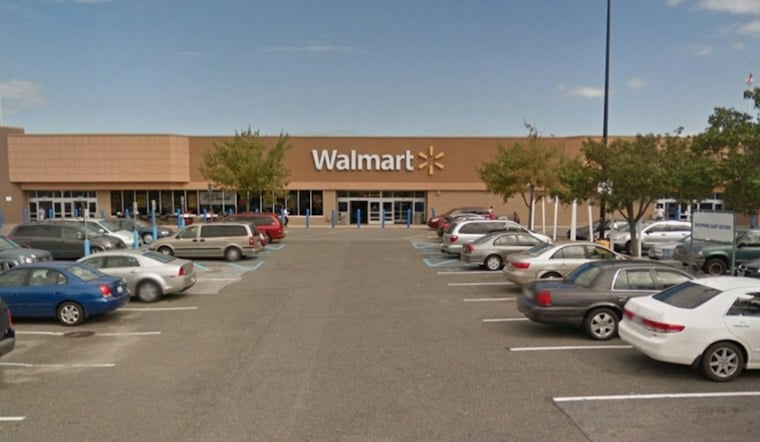
Maximus Pierre Ferraroni purchased the air freshener at a Walmart location in Centereach, according to court papers described by the New York Post. Testing conducted by Biogen Laboratory Developments on Ferraroni's behalf allegedly found the can contained 1.10 parts per million of benzene, per the same account. The Environmental Protection Agency sets a chronic benzene inhalation guideline of 0.0094 parts per million, meaning the tested can allegedly held over 117 times the federal risk-free amount, according to the lawsuit filed in Brooklyn Supreme Court on September 1.
The Great Value spray, priced at $7.77 per can, is designed for use in an automatic dispenser that releases a mist into the room as often as every nine minutes, the report notes. Ferraroni's suit alleges the product's label warns that the spray can irritate the eyes and may be harmful or fatal if swallowed, but omits any warning about benzene. He is demanding $75,000 from Walmart, according to the complaint.
Allegations of Prior Notice and Continued Sales
According to the lawsuit, Walmart was served documentation of benzene in the air freshener back in 2023, yet the company allegedly continued selling it without pulling it from shelves or adding a warning label. Ferraroni alleges the product's marketing was misleading given the undisclosed contamination. Brands do not typically warn consumers about benzene detected in their products, the lawsuit notes, in what amounts to an implicit contrast with Walmart's alleged inaction.
A Walmart spokesperson said the company would review the complaint upon receipt, per the report. Ferraroni's attorney declined to comment, while Biogen Laboratory Developments, which tested the can, did not return a request for comment, the outlet states.
Why Regulators Treat Benzene So Seriously
Benzene is linked to leukemia, lymphoma and multiple myeloma, according to the lawsuit as reported by the Post. The World Health Organization holds that no level of benzene exposure is without risk. That position is backed by the World Health Organization's International Agency for Research on Cancer, which classifies benzene as a Group 1 human carcinogen — its highest hazard category — based on epidemiological data tying exposure to acute myeloid leukemia and other blood cancers.
The FDA has a conditional limit of 2 parts per million of benzene for drug products. Separately, the Environmental Protection Agency has estimated that lifetime inhalation exposure to airborne benzene at just 0.4 parts per billion can raise an individual's lifetime cancer risk by 1 in 100,000, according to testing firm Valisure.
A Familiar Contaminant, Rarely Added on Purpose
FDA risk evaluations have found that benzene in aerosol sprays is typically an unintended contaminant stemming from raw petroleum-derived propellants like butane, isobutane and propane rather than an ingredient manufacturers add on purpose, the agency has explained. Valisure's own testing, detailed in a November 2022 citizen petition to the FDA, found that 70 percent of 148 dry shampoo aerosol batches it examined contained quantifiable benzene, with indoor air testing showing sprayed products could create localized airborne concentrations up to 170 times the FDA's conditional 2 ppm threshold.
Multiple recalls involving aerosol products followed independent testing that revealed elevated benzene, including recalls by manufacturers such as Procter & Gamble and Unilever, according to CBS News. Court-approved class action settlements have followed, including an $8 million settlement by Procter & Gamble in December 2022 and a $3.1 million settlement by Batiste dry shampoo in October 2023, per Consumer Notice.
Walmart's Prior Brushes With Contamination Claims
This isn't the first time Walmart's store brands have faced benzene allegations. The retailer was previously named in a federal class action lawsuit dated March 25, 2024, alleging its store-brand Equate benzoyl peroxide acne products contained undisclosed benzene, rendering them misbranded and adulterated, according to Milberg LLP. More recently, in June 2026, Walmart agreed to pay more than $1 million to settle a California Proposition 65 action after testing found third-party skin-lightening creams sold on Walmart.com contained mercury at up to 5,000 times the FDA's 1 ppm limit, per the Mercury Policy Project. That settlement required Walmart to enforce mandatory third-party vendor testing protocols going forward.
For context on industrial exposure limits, the Occupational Safety and Health Administration caps workplace airborne benzene exposure at 1 part per million over an 8-hour workday, with a short-term limit of 5 ppm over any 15-minute period, according to Consumer Notice.



