

























































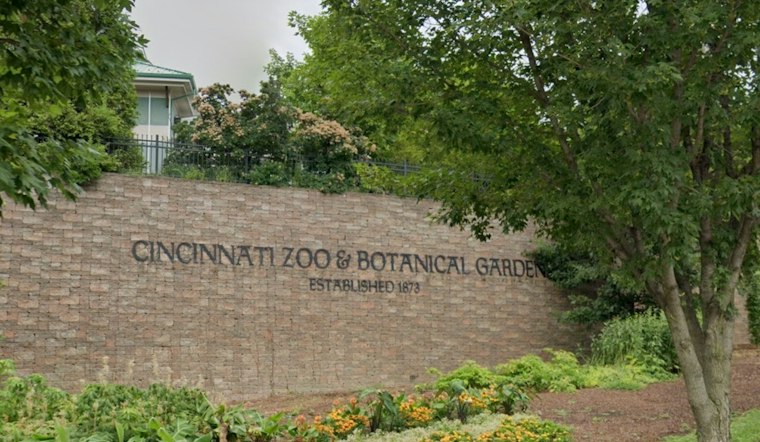
Ava, a sihek chick from the Cincinnati Zoo, has been shipped off to Disney's Animal Kingdom, where the chick is now sitting in a biosecure quarantine facility alongside nine other young birds from zoos around the country. It's the latest step in a decades-long effort to save a species that vanished from the wild nearly 40 years ago and has been clawing its way back ever since.
Ava was named by a summer intern from the University of Guam, according to WLWT, though the Sihek Recovery Program will eventually assign the birds their official names. The chick departed Cincinnati to join nine other birds in quarantine, with chicks also arriving from Brookfield Zoo Chicago, National Aviary, Oregon Zoo, San Diego Zoo Safari Park, Sedgwick County Zoo in Wichita, and Saint Louis Zoo, per the same report. The chick is currently described as a candidate for eventual wild release, though its exact status will depend on how the broader recovery effort unfolds.
Sihek, also known as Guam kingfishers, once flourished on Guam in the 1940s before the accidental introduction of the brown tree snake wiped the species out, WLWT reports. The last confirmed wild sighting came in 1988, a timeline corroborated by The Nature Conservancy, which notes the brown tree snake's arrival led directly to the bird's disappearance from the wild. The International Union for Conservation of Nature now classifies the sihek as extinct in the wild.
From Near-Total Loss to a Fragile Comeback
Before the species disappeared entirely, the last wild sihek were brought into Association of Zoos and Aquariums-accredited facilities in the mid-1980s, and a conservation breeding program was launched to keep the bird from vanishing for good, according to WLWT. That program has since grown into a coordinated national effort. The Nature Conservancy puts the managed-care population at roughly 130 adult sihek at 25 zoos and institutions, plus a Guam facility.
The turning point came in 2024, when nine young sihek — three of them contributed by the Cincinnati Zoo — were released onto Palmyra Atoll, a remote island chain that offered a snake-free environment for the birds to try living wild again. The Cincinnati Zoo's own account of the release, in a report titled 'Extinct in the Wild' Bird Closer to Losing that Designation After Released Sihek Produce Eggs, describes nine hand-raised birds heading to the atoll, and the release population broke down to four females and five males, according to The Nature Conservancy.
First Wild Eggs in Nearly 40 Years
What happened next surprised even the people running the program. Four sihek pairs established territories and built nests at Palmyra, and three of those pairs went on to lay eggs — the first wild sihek eggs recorded in nearly 40 years, The Nature Conservancy reports. Several sihek pairs have created nests and laid eggs since the release, according to WLWT, marking a milestone the species hadn't seen since before it vanished from Guam altogether.
Cincinnati Zoo's own reporting on the milestone, in a piece describing the eggs as arriving after almost 40 years, called it a sign the birds were adapting well to their new home. The zoo has framed its role as part of a broader mission supporting avian conservation efforts across the Pacific Islands. Aimee Owen said in a press release, per WLWT, that the program must succeed in all aspects of its work for the species to have a real shot at recovery.
Conflicting Targets, One Shared Goal
Exactly how big the Palmyra population needs to get remains a bit murky, with different partners citing different numbers. The Nature Conservancy states the program's ultimate goal is establishing 10 breeding pairs on the atoll, while WLWT reports that sihek releases are planned annually and cites 20 breeding pairs as the recovery program's aim. The exact benchmark appears to vary depending on which partner organization is describing it.
Several institutions have contributed eggs to the effort beyond Cincinnati, including National Aviary, Disney's Animal Kingdom, Brookfield Zoo and Sedgwick County Zoo, according to The Nature Conservancy. Disney's involvement runs especially deep — the company has participated in the Guam Kingfisher Species Survival Plan since 1983, according to Disney Experiences, and is one of just nine U.S. organizations actively engaged in the current Sihek Recovery Program.
What Comes Next for Ava and the Species
The Cincinnati Zoo plans to eventually transfer its chicks into the wild, and if Ava and the other quarantined birds make it to release, WLWT notes it would mark just the second time in 40 years that new sihek have been introduced to a wild environment. Sihek releases are ideally meant to happen annually going forward, according to the same report, though no first hatch has yet been confirmed at Palmyra itself.
The Cincinnati Zoo is one of about two dozen AZA-accredited facilities working to build a sustainable managed sihek population for eventual release, the zoo has said in its own reporting on the program's milestones. For now, Ava waits in quarantine in Florida with nine other young birds, one small piece of a fragile, closely watched attempt to bring a species back from the edge of oblivion.





