

























































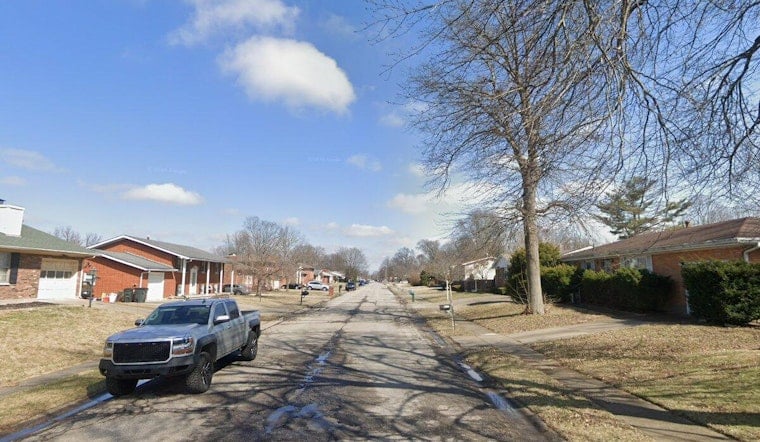
For roughly 1,500 residents of Clarksville's Parkwood subdivision, the lights went out like clockwork every night around 8 or 9 p.m. during the hottest stretch of summer, with outages lasting at least a couple of hours before power returned. Duke Energy has now identified the culprit: a power line at a nearby substation that sagged into another line during peak evening electricity demand, then quickly returned to its normal position.
The nightly pattern frustrated residents who were left without answers for why their power kept vanishing after dark. As reported by WLKY, Parkwood subdivision resident Sernah Ray said her sister even asked whether she had simply forgotten to pay her electric bill after the power cut out again. Duke Energy field workers eventually pinpointed the cause, and the utility said the outages were not rolling blackouts, insisting there was adequate power supply to serve the area.
Why the Sagging Line Was So Hard to Catch
The tricky part was that the line quickly returned to its normal position, making the problem difficult to identify. Power lines can expand and sag under heavy load, then contract back into place as conditions change. Duke Energy crews patrolled the lines in the area after outages occurred and eventually positioned field workers overnight to directly observe the lines in the area as the problem recurred.
Once the utility understood what was happening, it considered redirecting power demand to other lines serving the neighborhood while it sorted out a longer-term fix. The source does not specify what permanent changes, if any, may be needed.
A Grid Under Strain During Peak Heat
The Parkwood outages unfolded during the hottest week of the year, a period of high evening electricity demand that places additional burden on the grid. Hot summer weather can put additional pressure on the regional power system. Duke Energy Indiana's fast facts summary describes its service territory. That broad reach means even a single sagging line at one substation can ripple into a neighborhood-level headache while the rest of the grid keeps humming. According to the Midcontinent Independent System Operator's 2025 State of the Market Report, annual peak load was in line with the 50/50 forecasted peak of 123 GW from MISO's 2025 Summer Seasonal Assessment.
Clark County itself is no stranger to outage trouble, and the Parkwood incident adds to concerns about grid reliability in Southern Indiana. Duke Energy has pointed to its automated “self-healing” smart grid technology, which the company reported in April prevented 100,000 customer outages and saved roughly 350,000 total outage hours statewide in 2025, as a general example of how the technology can limit outage impacts.
State Scrutiny and Consumer Protections Grow
The Clarksville outages arrive amid a summer of heightened attention to utility reliability across Indiana. In August, the Indiana Office of Utility Consumer Counsellor petitioned state regulators to formally investigate grid resilience and vegetation management following storm outages that left more than 300,000 northern Indiana customers without power, according to WFYI. Separately, utility consumer protections have also drawn attention in Indiana this year.
Duke Energy has also rolled out its own financial cushion for customers squeezed by summer bills, announcing a $350,000 Summer Energy Assistance Credit Program earlier this year to help Indiana customers facing higher costs tied to heat waves and cooling demand. The company has separately pointed to long-term infrastructure spending and grid modernization. Even so, the Clarksville incident shows how localized hardware issues at the substation level can still slip past broader modernization efforts, at least until overnight crews catch them in the act.
The available sources do not establish how Indiana's formal outage-reporting rules apply to the Parkwood event. The available sources here also do not establish the date, affected communities or outage count for any comparable earlier Southern Indiana event. For now, Parkwood residents have an answer for why their nights kept going dark, while details of the longer-term fix were not provided.




