

























































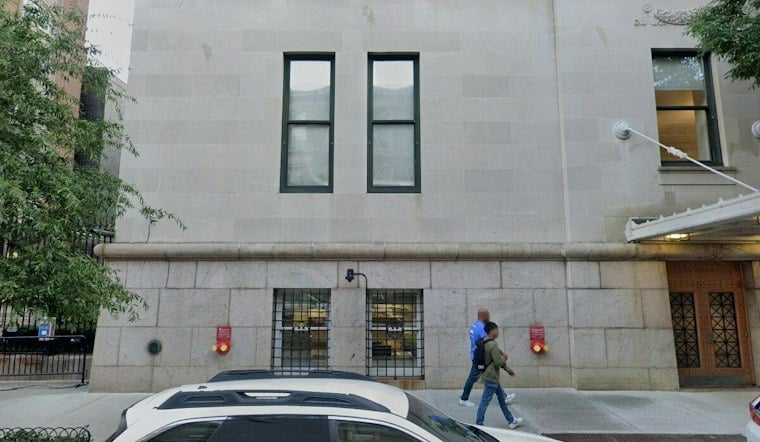
Three former Columbia University students have filed a federal class-action lawsuit accusing campus security of locking roughly 80 protesters inside a Butler Library reading room for hours during last year's pro-Palestinian demonstration, and of beating some of the students trapped inside. The suit, filed in Manhattan federal court, centers on the chaotic May 7, 2025 standoff that ended with two campus officers injured and dozens of arrests.
According to Gothamist, the lawsuit names Columbia University, former interim president Claire Shipman, security contractors Allied Universal and Pinkerton, and five faculty and staff members as defendants. The complaint alleges that Columbia public safety officers blocked the library's exits within minutes of a teach-in and required students to swipe their ID cards before they would be allowed to leave. Per the complaint, officers even handcuffed the library's front doors shut, and a fire alarm sounded roughly two hours after the exits were sealed.
The disruption unfolded during the university's final exam reading period, a detail that fueled outrage on both sides of the confrontation. ABC News reported that the protest broke out that Wednesday afternoon in the main reading room of Butler Library, and that two security officers were hurt in what the outlet described as a crowd surge.
Columbia's Account Versus the Lawsuit's Allegations
Columbia's own telling of the incident, published by the university president's office, said a group of protesters occupied one of the main reading rooms while another group breached the library's front door, according to a statement from Columbia University. The university said the disruption forced 900 students out of their study spaces, with many leaving belongings behind, and that students were simply told to identify themselves and leave — but most refused.
The BBC reported that public safety officers blocked the library door's exit and asked those inside to show Columbia IDs or face arrest, a standoff that stretched on for hours. Per that same statement, Columbia said it requested NYPD assistance because individuals had occupied the library and were trespassing. The lawsuit, however, alleges that the students who declined to swipe out did so because they feared identifying themselves amid threats against pro-Palestinian protesters, and that campus security detained, kettled and, in some cases, assaulted student protesters rather than simply asking them to leave.
One named plaintiff, Courtland Buchanan, said he was trapped by Columbia's security and a crowd trying to leave, and alleges he was beaten during the protest. Buchanan said he wants to prevent Columbia from repeating the conduct described in the lawsuit.
University Defends Its Response, Sidesteps Beating Claims
Millie Wert, defending the faculty and staff named in the lawsuit, said participants were repeatedly asked for identification and to leave and were warned they had violated university rules and policies. Columbia has said it does not tolerate disruptions to its academic activities, but the university did not directly address the lawsuit's allegation that students were beaten.
Attorney Tahanie Aboushi, representing the plaintiffs, said Columbia had anticipated sanctioning and disciplining students at the very moment officers blocked the library's exits. The complaint also claims the NYPD deputized at least 36 Columbia employees as special patrolmen — a designation that, per NYPD statements, is unarmed, permitted under New York State law, and governed by state rules. Attorney Cheryl Forchilli said those arrest powers may have emboldened Columbia's administration during the confrontation.
Neither security contractor named in the suit has substantively engaged with the allegations. Pinkerton did not respond to requests for comment, and Allied Universal said it does not comment on pending litigation.
Fallout Included Expulsions and Federal Funding Fight
Columbia went on to punish students involved in the protest, and CBS News reported those sanctions ranged from probation and suspensions to degree revocations and expulsions. The disciplinary action came as the Trump administration was withholding $400 million in federal grants from the school, according to the same report. Trump administration officials have also threatened to deport or criminally charge pro-Palestinian protesters, and the administration separately demanded that Columbia expand its security force, give officers arrest powers, and impose expulsion or multi-year suspensions on protesters involved in demonstrations.
CAIR-NY criticized Columbia's disciplinary decisions, and the group said some students faced additional punishment beyond the sanctions Columbia disclosed. The Butler Library standoff marked the first time Columbia called in the NYPD for an on-campus protest since April 2024, when pro-Palestinian protesters barricaded themselves inside Hamilton Hall, leading to several arrests, per ABC News.
A Familiar Pattern at Other Campuses
Columbia is not alone in facing legal challenges over its handling of pro-Palestinian demonstrations. At UCLA, 35 individuals filed suit over three separate events tied to a pro-Palestinian encampment, according to CalMatters. That suit alleges University of California officials discriminated against pro-Palestinian supporters and failed to protect encampment members from counterprotesters, and it challenges law enforcement's clearing of the encampment the following day, when more than 200 people were arrested. The UCLA plaintiffs are seeking millions of dollars in compensation along with changes to UC policies governing when police are summoned to break up campus protests — a legal strategy that mirrors the demands now being pressed against Columbia in Manhattan federal court.





