

























































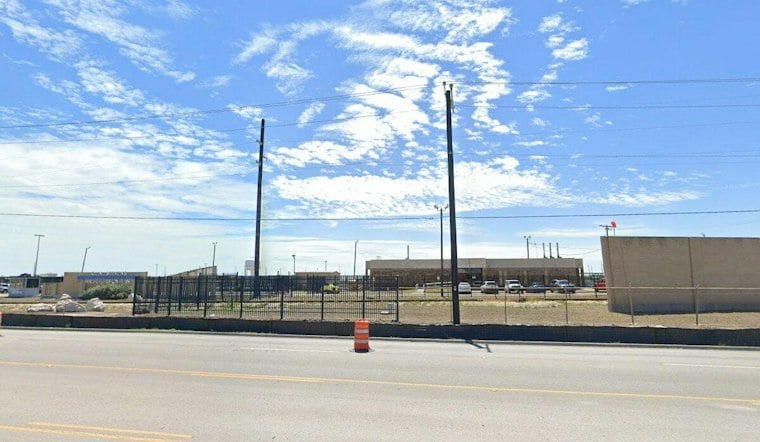
A leak has knocked the Mary Rhodes Pipeline out of service, cutting off a source that normally delivers up to 70 million gallons of raw water a day to Corpus Christi. Crews and contractors are working around the clock to pinpoint the extent of the damage, according to officials, after the rupture was discovered roughly at the pipeline's halfway point.
The leak was detected near Highways 77 and 239, south of the San Antonio River, according to a City of Corpus Christi release issued Sunday. As reported by the Fort Worth Star-Telegram, workers have progressed with dewatering the project site and the pipeline itself, and crews will determine the full scope of the issue and begin repair operations once the excavation surrounding the pipeline is safe to access.
The stakes of the outage are hard to overstate. The Mary Rhodes Pipeline, named posthumously after former Corpus Christi Mayor Mary Rhodes, is nearly 30 years old and stretches about 101 miles, carrying water from Lake Texana and the Lower Colorado River into the city for treatment before it's distributed to homes and businesses, per the Star-Telegram's reporting. The pipeline carries water into Corpus Christi for treatment before it's distributed to homes and businesses.
City Leans on Dam Releases and Groundwater Wells
With the pipeline down, Corpus Christi Water has increased water releases from Wesley Seale Dam, which has pushed up flow along the Nueces River during the repair period, the Star-Telegram reports. The utility has also ramped up production from the Nueces groundwater wells, and officials say water levels will run higher than usual while the fix is underway.
The pipeline normally supplies as much as 42,000 acre-feet per year from Lake Texana and up to 35,000 acre-feet annually from the Lower Colorado River, according to the Star-Telegram. It was relied upon during a monthslong water crisis that nearly became an emergency, underscoring just how central the conduit is to the region's supply chain even as the city works to patch this latest failure.
A Pipeline With a History of Trouble
This isn't the pipeline's first breakdown. Prior to recent condition monitoring initiatives, the 25-year-old Mary Rhodes Pipeline Phase 1 had suffered 33 leaks or failures since it was built, a track record that engineering firm HDR says creates high operational failure risk given the pipeline's length and lack of redundancy. HDR also notes that Corpus Christi Water supplies drinking water to more than 500,000 residents across seven Coastal Bend counties, all of it funneled through a single treatment facility, the O.N. Stevens Water Treatment Plant, meaning any disruption along the corridor ripples well beyond city limits.
The pipeline system connects Lake Texana and the Lower Colorado River to Corpus Christi.
Repairs Come Amid Fragile Water Recovery
The outage lands at a delicate moment for the region's water supply. Corpus Christi had only recently eased its drought restrictions, moving from Stage 3 to Stage 2 on August 4 and down to Stage 1 on August 27, ending nearly two years under strict Stage 3 rules that banned all lawn watering, according to city announcements reported by KIII 3NEWS. Heavy summer rainfall had also lifted Lake Corpus Christi's storage from a historic low under 10% in April to 85% capacity by Sunday, per Texas Water Development Board data cited by Water Data for Texas, giving the utility enough of a cushion to lean on dam releases while repairs continue.
The timing follows weeks of contentious debate over the city's long-term water strategy. On September 1, the Corpus Christi City Council voted 5-3 to reject a nearly $1 billion seawater desalination plant proposed for the Inner Harbor, according to The Texas Tribune. Separately, Texas environmental regulators issued an emergency order in August allowing the city to suspend mandatory freshwater releases into coastal bay wetlands to conserve drinking water supplies, as reported by Inside Climate News.
Long-term modeling projects that Corpus Christi could face a water emergency in fall 2028. For now, crews remain focused on the excavation site near Highways 77 and 239, with repair timelines still to be determined once the area is safe to access.





