

























































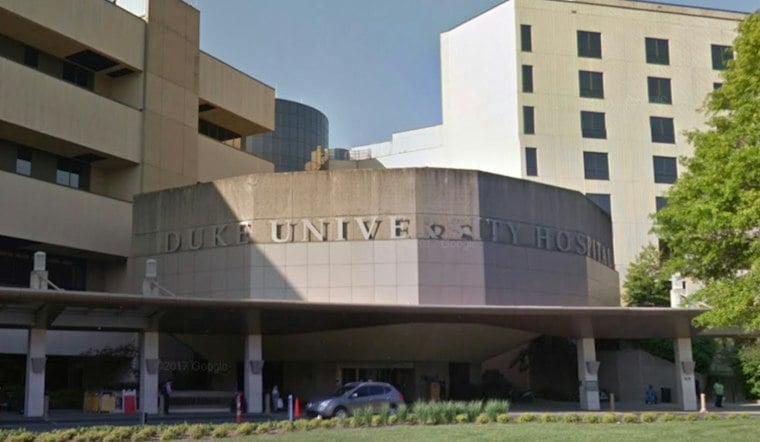
COVID-19 cases are climbing across North Carolina, with infections trending upward in Charlotte-Mecklenburg, Wake, Durham and the Triad area, and Duke University Hospital reporting a 42% increase in COVID-19 hospitalizations over the last three days. Duke University has also confirmed at least 16 positive cases on campus since students returned on August 16.
The uptick comes as North Carolina is among 35 U.S. states experiencing rising COVID-19 infections, according to the Charlotte Observer, which cited data from the North Carolina Department of Health and Human Services after reaching out to the agency this week. Covid-like illness accounted for about 2% of North Carolina ER visits during the week ending September 5, per the state agency, while COVID symptoms specifically made up 1.9% of ER trips statewide. Respiratory-virus hospital admissions stemming from emergency room visits rose from 860 to 887 during that same week.
Who's Ending Up in the Hospital
Of the 60 statewide hospitalizations tallied for the week ending September 5, patients 65 and older accounted for 29 admissions, by far the largest share, according to NC DHHS figures cited in the same report. Children aged 0 to 4 made up seven of those hospitalizations, while people aged 5 to 17 accounted for three, ages 18 to 24 made up four, ages 25 to 49 made up eight, and ages 50 to 64 accounted for nine. Recent wastewater samples across the state showed a moderate virus-activity level of 4.9%, the report's outlet noted, a metric increasingly used by local health departments to catch surges before they show up in clinic visits.
North Carolina's numbers track with a broader national pattern. CDC epidemic modeling released September 9 found COVID-19 infections were growing or likely growing in 35 states, including North Carolina, while declining in eight and holding steady in seven, according to the CDC. Nationally, emergency department visits for COVID-19 were elevated across all age groups for the week ending September 5, though total lab-confirmed hospital admissions stayed low, with a median forecast around 0.62%, per the agency's respiratory virus data.
How North Carolina Actually Tracks the Virus
Rather than relying on daily individual test counts, North Carolina monitors COVID-19, flu and RSV through NC DETECT, a syndromic surveillance system that publishes combined weekly updates and was established in 2004 by the state's Division of Public Health alongside emergency medicine researchers at UNC Chapel Hill, according to NC DETECT. Municipalities including Cary and Wake County supplement that data by collecting wastewater samples twice weekly from regional water reclamation facilities in partnership with NCDHHS and the CDC, according to the Town of Cary, a method that can flag community viral presence weeks before symptoms or ER visits show up in hospital data.
Dr. David Wohl, a professor of medicine in the Division of Infectious Diseases at the UNC School of Medicine and co-director of the UNC Global Clinical Trials Unit, has consistently pointed to hospitalizations and wastewater data, rather than raw test counts, as the more reliable way to judge how the virus is spreading. Wohl said COVID-19 vaccines need regular updates to reflect the variants circulating or likely to circulate in the coming months, and he said vaccines along with other medications remain important tools for avoiding severe infection, per the Observer's reporting.
New Tools: Updated Shots and a Preventive Pill
Updated COVID-19 vaccines became available at major pharmacies starting in September, reformulated to target the XFG variant after the FDA approved the 2026-2027 formula in late August, per FDA guidance issued to manufacturers in May. Vaccines are routinely adjusted this way each year to match newly dominant strains ahead of expected fall surges. Under North Carolina Board of Pharmacy and NCDHHS guidance issued in October 2025, immunizing pharmacists in the state can administer COVID-19 vaccines to patients 7 and older without an individual physician prescription, a change Hoodline covered when it removed the prescription hurdle for retail vaccine access statewide.
The FDA also approved Xocova, an oral antiviral made by Shionogi, earlier in 2026, marking the first oral treatment cleared for post-exposure prophylaxis to prevent symptomatic COVID-19 in adults and adolescents 12 and older, according to Drugs.com. Unlike therapeutic antivirals such as Paxlovid, which treat active infections, Xocova is intended to be taken shortly after exposure to prevent symptoms from developing in the first place.
COVID-19 and other respiratory viruses tend to spike in early fall, and a CDC retrospective study of the 2024-2025 season estimated the virus caused between 290,000 and 450,000 hospitalizations and 34,000 to 53,000 deaths nationwide, with severe outcomes concentrated among older adults and young children, according to the CDC. With federal advisory committee activity temporarily paused over the summer, state health agencies have aligned fall vaccine recommendations with guidance from national medical societies including the AAP and AAFP, according to the Wisconsin Department of Health Services.





