

























































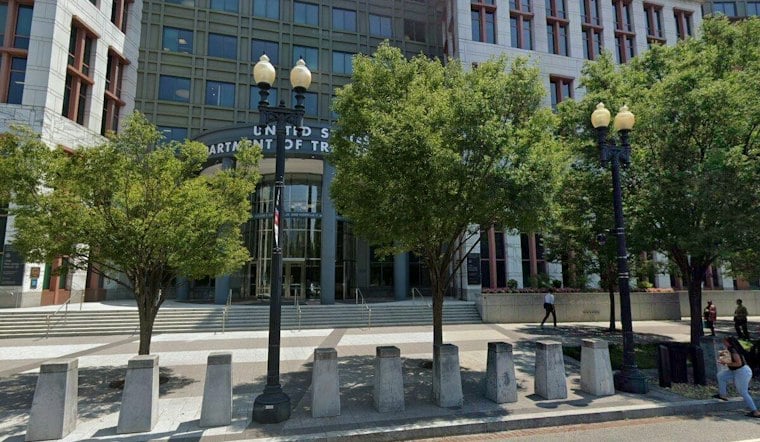
Crash test dummies, hazard-detection dogs, and a traveling work zone memorial honoring thousands of roadway workers lost on American roads all shared floor space Friday at the U.S. Department of Transportation's first-ever Road Safety Innovation Expo in Washington, D.C. More than 40 exhibitors packed the event with technology aimed at cutting down on the more than 36,000 people killed on U.S. roadways every year, offering a public-facing showcase of tools ranging from virtual reality headsets to blood transfusion displays.
The gathering, held at USDOT headquarters, was organized by the Federal Highway Administration to brainstorm and showcase ways to stay safe on the road, according to WBTV. Guests arriving at the expo were first met by a traveling work zone memorial honoring thousands of roadway workers lost on American roads, a somber note that set the tone before attendees moved on to interactive booths. Separately, a Federal Highway Administration account described the event as featuring more than 40 exhibitors, including commercial truck No Zone blind-spot demonstrations.
Dogs, Dummies, and Data Screens
Among the expo's more unusual attractions were hazard-detection canine teams, according to the same Federal Highway Administration social media account, while WBTV's report separately noted that dogs were part of the exhibit lineup along with crash test dummies and computer screens scattered throughout the floor. Federal Highway Administrator Sean McMaster said each booth serves a purpose, per WBTV's account of the event, with the dummies and screens representing both existing lifesaving technologies and others still in development.
Exhibitors also demonstrated technology meant to help drivers stay alert after dark, alongside displays focused on protecting pedestrians crossing roadways. Solar-powered lane markings and connected lighted cones that blinked in sequence rounded out the infrastructure-focused exhibits, the station reported. The Federal Highway Administration is promoting this kind of new infrastructure as part of its broader safety push.
McMaster's Zero-Death Message
McMaster, who told attendees that the only acceptable number of roadway deaths is zero, also said the current death toll represents a steady improvement over the years and that the memorial greeting guests serves as a reminder of the risks that come with driving, according to WBTV. He added that everyone needs to help people travel safely from point A to point B and return home. McMaster was confirmed by the U.S. Senate as the 22nd Federal Highway Administrator in a 51 to 47 vote a year earlier, on September 18, 2025, bringing experience as a Boeing executive, HNTB vice president, and former USDOT deputy chief of staff, per the AASHTO Journal.
The improvement McMaster referenced tracks with federal projections. National Highway Traffic Safety Administration estimates released in April put 2025 roadway deaths at 36,640, a 6.7% drop from 2024 and the lowest annual total since 2019, with the fatality rate per 100 million vehicle miles traveled falling to 1.10. That follows a 2024 estimate of 39,345 deaths nationwide, marking a 3.8% decrease from 2023 and the first time the annual total fell below 40,000 since 2020.
Speeding Still Drives a Third of Deaths
Speeding remains a major factor behind fatal crashes, according to NHTSA data released in July. That concern underscores why driver-alert and fatigue-detection exhibits featured prominently at the expo alongside the infrastructure displays.
Some of the low-cost physical fixes FHWA has long promoted predate this year's expo.
A Contested Safety Toolkit
The showcase also arrives amid friction over which safety tools the federal government officially endorses. In July, the Federal Highway Administration trimmed its list of official Proven Safety Countermeasures from 28 to 23 items, dropping bicycle lanes and speed safety cameras from its recommended guidance, a move that drew criticism from safety advocacy groups over the removal of urban street design tools. NACTO has argued that the evidence supporting those safety tools has not changed. Hoodline covered that shift in Feds Quietly Drop Bike Lanes.
Connected Vehicles and Federal Dollars
Separately, in July, USDOT awarded $1.73 billion through 127 BUILD discretionary grants nationwide, prioritizing highway, bridge, port, and transit construction projects over other categories of funding.





