

























































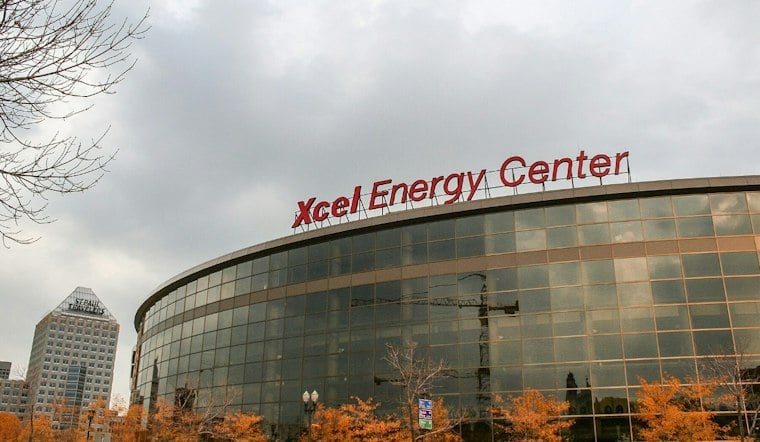
Denver homebuilder redT Homes says alleged delays by Xcel Energy in providing electrical hookups contributed to financial distress and foreclosure proceedings involving one project and losses that could exceed $25 million. CEO Nathan Adams is pursuing a lawsuit in Denver District Court alleging that delays caused buyers to leave contracts, construction loans to default and foreclosure proceedings to begin. Those are allegations in the complaint, not findings by the court.
According to The Denver Post, Adams' lawsuit centers on projects at 2650 S. Delaware St., a residential development, and 1642 N. Lafayette St., a residential project, both in Denver. The complaint claims Xcel made at least nine rounds of design changes on the Delaware project, cycled through roughly six different staff assignments over three years, lost project files, and repeatedly asked redT for information the company says it had already handed over. The complaint also alleges Xcel produced designs that didn't meet its own engineering standards and failed to warn the builder about transformer shortages that would further slow the timeline.
In one particularly telling episode described in the complaint, four Xcel workers eventually completed a power-line relocation in hours. Adams told the newspaper that Xcel operates as a monopoly, and that his discussions with the company never produced any reconciliation. “There is no second choice,” he said, describing the lack of ability to negotiate contract terms with the utility, per the Post's report.
Foreclosure, Defaulted Loans and Vanishing Buyers
According to the complaint, construction loans on one of the projects matured and defaulted while redT waited for Xcel, and some buyers walked away after losing financing. Foreclosure proceedings began on one of the developments. The complaint says redT was valued at more than $25 million in April 2023 and attributes more than $18 million in direct losses to nearly 5,000 cumulative days of delay across its Denver projects. Those financial figures and the claimed connection to Xcel's conduct remain disputed.
Before filing suit, redT submitted an informal complaint to the Colorado Public Utilities Commission in 2025, and Adams met with Xcel Colorado President Robert Kenney and other utility officials. In a Sept. 19, 2025, response, Xcel argued that most of the delays were caused by redT's design changes, redesigns, missed payments, unsigned contracts and unclear communications, while acknowledging that the projects had experienced problems and delays. PUC staff closed the informal matter around Oct. 23, 2025, saying they could not pursue it through that process. redT did not file a formal PUC complaint and instead pursued the district-court case.
Not Just Big Builders Feeling the Squeeze
The dispute has parallels in smaller projects, although the circumstances differ. The Denver Post reported that an accessory-dwelling-unit project in Denver's Speer neighborhood waited five months for Xcel to relocate a power line, with the delay producing reported rental and contractor costs. That account provides an example of the broader service-connection complaints but does not establish that the causes or remedies were the same as in redT's case.
A Regional Pattern Beyond Denver
redT's case fits a broader pattern developers across the Denver metro have described. A developer building a 314-home neighborhood in Broomfield sued Xcel Energy in early 2025, according to Denver Post reporting, alleging that delayed gas and electrical hookups caused lost sales and substantial monetary damages. Multiple metro-area housing developers have alleged that utility delays forced them into loan defaults and delayed home deliveries, according to that same reporting.
The delays have also reached industrial-scale projects. Swire Coca-Cola's bottling plant, a $470 million facility, moved from vacant land near Denver International Airport to Colorado Springs after the company abandoned its original site over power grid connection delays with Xcel, according to the Colorado Springs Chamber & EDC. The project now sits at Peak Innovation Park, served by municipal provider Colorado Springs Utilities, and is expected to create 170 permanent jobs while supporting roughly 1,190 construction and installation jobs. Stacie Gilmore said DIA and Xcel could not establish a time-efficient way to provide power for the Coca-Cola project, according to the Post's reporting on the relocation.
Regulators Take a Closer Look
The complaints have drawn attention from state regulators. In a Dec. 16 meeting, PUC staff reported on outreach to multiple large-load customers, describing delays, inconsistent communication and limited clarity about customers' places in Xcel's queue. The staff report said only one of the large commercial customers interviewed had received a completed System Impact Study report on time, according to the Colorado Public Utilities Commission. Some customers also said Xcel resisted requests to generate their own power, and the utility did not provide the commission with records of communications involving delayed projects.
Xcel has attributed the delays to an unprecedented surge in large-load requests combined with staffing shortages and turnover. The utility received 18 large-load interconnection requests in 2024 alone, compared with an average of just two or three per year historically — a jump the PUC's report says contributed to severe internal review backlogs. Xcel has told the commission it does not readily track communications about the delays.
Colorado lawmakers have directed regulators to overhaul utility line-extension rules under Senate Bill 24-218 and House Bill 26-1225. Xcel has declined to comment on Adams' lawsuit, so the allegations, Xcel's defenses and the claimed damages will be tested in Denver District Court.




