

























































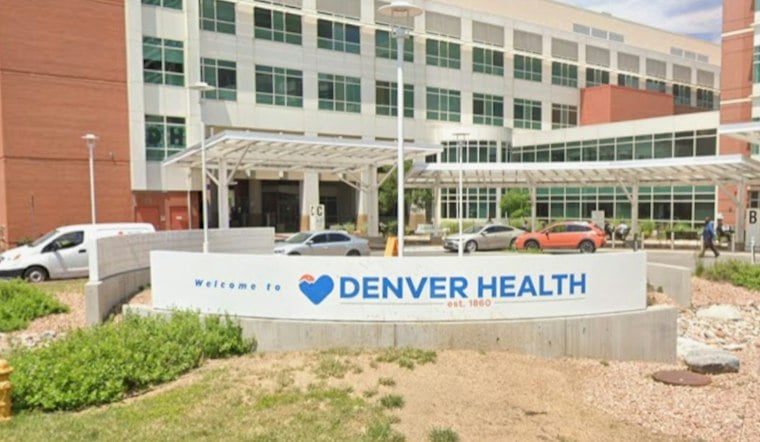
Denver Health is warning it cannot keep covering the bill for Denver CARES, the city's decades-old detox and addiction treatment program, after officials say the city provided no funding for it in 2025 for the first time in five decades. Denver Health CEO Donna Lynne has clashed with Denver Mayor Mike Johnston over nearly $23 million in requested city funding, accusing the city of walking away from a longstanding commitment to the program.
According to the Denver Gazette, Lynne described the 2026 budget talks as not a good-faith negotiation. Denver Health and the city have operated under an agreement since 1997 that includes payments for specific services, and the hospital considers Denver CARES one of that agreement's core services, per the same report. Denver Health requested $3.9 million from the city toward Denver CARES for 2027, on top of $22,857,619 sought in its overall budget submission, which included $14.7 million more for indigent care, restored programs, merit increases and related costs, as well as 3% merit increases for employees working under the agreement.
A Program More Than 50 Years in the Making
Denver CARES, formally known as the Denver Community Addiction Rehabilitation and Evaluation Services, is a more than 50-year-old addiction treatment program that provides withdrawal management and residential substance-abuse treatment, the Denver Gazette reports. The facility gives severely intoxicated people a place to sober up and get up to 90 days of treatment, according to a separate account from newsbreak.com, which also notes the facility specifically offers medication management pathways for alcohol, opioid, and methamphetamine use disorders. Its emergency services patrol responds to roughly 10,000 calls a year involving people under the influence, per the same source.
Roughly two-thirds of Denver CARES' funding comes from Medicaid reimbursements, other insurance and federal grants, the Denver Gazette reports, leaving the city and Denver Health to cover the rest. Denver Health allocated $3.2 million of its own subsidy to Denver CARES after the city failed to support the program in 2025, and the hospital says it cannot continue absorbing those costs indefinitely. Denver Health projects Denver CARES will cost about $12.4 million in 2027.
Medicaid Rules Could Force a Bigger Overhaul
Complicating matters further, changes to Medicaid reimbursement models mean the facility now must be classified as a higher level of care, Lynne said, according to newsbreak.com's separate report. Medicaid will now only reimburse for the medical detox level of care and not the social detox Denver CARES currently offers, that account states. Denver Health has negotiated another year to come into compliance with the new regulations and anticipates capital expenses for bathrooms, showers and additional dormitories.
Denver City Council member Sarah Parady, per that same reporting, said that although 2027 will be a challenging funding year, she views the new Medicaid standards and facility rebuilding as an opportunity to reimagine Denver CARES as a medical detox facility. Several other U.S. cities operate similar sobering centers, including New York, San Francisco, Los Angeles, Austin, Philadelphia, Portland and Seattle, according to the same source.
Jail Health Services Offer a Cautionary Precedent
The funding standoff echoes an earlier dispute over jail medical services. Denver Health sent the city a notice terminating its jail medical services agreement before the two sides reached a deal in August 2026 keeping those services in place for another two years, the Denver Gazette reports. The city separately approved a $4.8 million jail expansion that same month. Denver Health has not issued a similar termination notice over Denver CARES, but Enid Wade said failure to pay for the program could constitute a material breach allowing Denver Health to stop providing it, according to the Denver Gazette.
City Council member Paul Cashman said Denver Health and Denver CARES are areas in which the city is morally obligated to improve its budget, per the same report. Denver City Council is holding budget hearings with more than a dozen departments this week and postponed voting on the city's $74.3 million annual operating agreement with Denver Health, according to newsbreak.com's separate account, which states the proposed agreement calls for only a $30 million reimbursement to Denver Health for indigent care.
A Widening Gap in Indigent-Care Funding
Lynne said Denver Health has received no material increase in indigent-care funding in 29 years, the Denver Gazette reports. The hospital received about $27 million in indigent-care funding in 1996 and now receives $30.7 million — an increase of roughly 14% — even as its expenses have increased sixfold over the same period, according to that reporting. Denver Health absorbed about $5 million in costs after the city cut positions and tightened spending; the city cut 957 positions in 2025, classifying 20% of those cuts as layoffs.
Denver Health is the region's primary safety net provider, according to the Denver Gazette, and nearly half its patients are Medicaid recipients. Lynne projected that about 20,000 Denver Health patients will lose Medicaid coverage over the next several years, citing H.R. 1's mandate that the expansion population work or engage in other qualifying activities to retain coverage. Those patients will become uninsured while continuing to seek care, per the same report, and Denver Health provided $140 million in uncompensated care in 2025 — a figure the hospital separately put at about $155 million annually in a statement to newsbreak.com.
Where the City's Money Is Going Instead
Mayor Johnston said Denver Health's request would have swamped all of the city's revenue increases, according to the Denver Gazette. Denver had $1.66 billion in general operating-fund revenue in 2026 and projects $1.684 billion for 2027 — an increase of roughly $17 million — and the city declined most of Denver Health's budget requests while approving $250,000 for the Peña Clinic and about $203,000 for Englewood EMS. Denver experienced a 9.4% revenue drop when the pandemic began in 2020, a hit the city is still budgeting around, per the same reporting.
For her part, Lynne said she remains personally committed to continuing Denver CARES but will not fund it at the expense of other required services, the Denver Gazette reports. Denver Health expects Mayor Johnston to find additional budget money for indigent care if a proposed tax fails, according to newsbreak.com, which also notes the mayor's office recently allocated nearly $1 million to examine ways of preventing discharged patients from falling through the cracks. Separately, Denver Health operates the Oasis program, which provides 34 patients up to 90 days of shelter, per that same account.




