

























































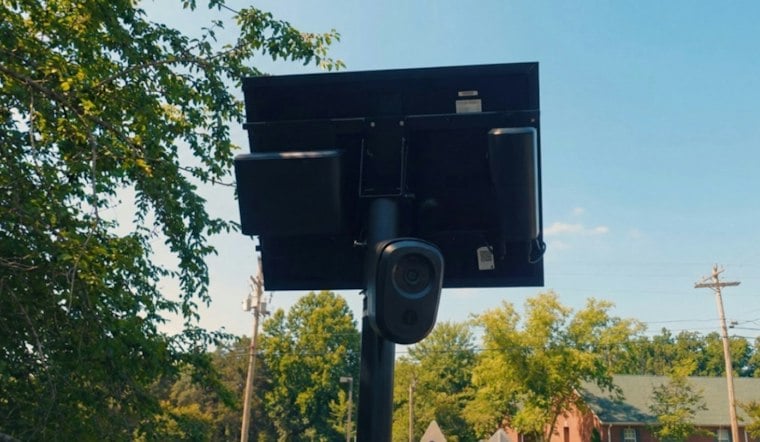
Denver is ending its relationship with Flock Safety and moving its automated license plate reader contract to Axon, Mayor Mike Johnston announced after months of disputes with the City Council over privacy and federal access to local data. City officials said the replacement system would include safeguards for Denver residents, including protections related to immigration enforcement and other uses of the information, according to Colorado Politics.
What prompted Denver’s change
The dispute centered on whether information collected by Flock could enter a broader network accessible to agencies outside Denver. Critics warned that such access could expose residents to immigration enforcement. Flock has said its customers control the data and that the company does not work with immigration authorities, according to the Colorado Politics report. Denver's switch therefore keeps the city focused on using license-plate readers for investigations while seeking different terms and safeguards for data access.
What Patel told senators
At a Sept. 15 Senate Judiciary Committee hearing, FBI Director Kash Patel defended automated license plate readers as an investigative resource. He said the FBI uses the technology in cases involving child predators and abducted children, asking local officials or private companies for help when investigators need to trace an unidentified vehicle, according to The Denver Gazette.
What research shows
Independent research offers a mixed assessment of automated license-plate readers. According to the National Institute of Justice, license plate readers have been shown to increase arrests and recoveries of stolen vehicles, but their broader effects on crime prevention and investigations remain unclear because rigorous evaluations have been limited. An Office of Justice Programs study found that auto-theft and robbery clearances improved after a large fixed license-plate-reader network was installed, particularly where cameras were concentrated. However, those changes were not statistically significant in multivariate analyses, according to the Office of Justice Programs.
Patel characterized the FBI's role as limited to particular investigations rather than continuous monitoring. He said private companies and municipalities operate the cameras and collect the records, while federal investigators request footage or assistance in specific cases. He also said the technology must be used lawfully, the Gazette reported. President Donald Trump had expressed support for Flock cameras days earlier while acknowledging concerns about their effect on rights, according to the same report.
The privacy dispute remains
The American Civil Liberties Union says Flock operates more than 120,000 automated license plate readers nationwide and argues that the system creates detailed records of vehicle movements. The group also criticized Flock’s announced changes, which include shortening standard retention from 30 days to seven, requiring a case code for searches and expanding audit assistance. The ACLU said the effectiveness of those controls remains uncertain and that agencies can still establish longer retention periods: ACLU.
The Institute for Justice’s Plate Privacy Project separately lists more than 140 reported examples of ALPR misuse, including alleged stalking, wrongful stops and non-law-enforcement use, according to the organization: Institute for Justice. Those allegations, along with Denver’s decision to change vendors, illustrate the unresolved divide between law-enforcement agencies that view the cameras as investigative tools and civil-liberties groups that want stronger limits on collection and access.





