

























































Downtown Lincoln's zoning code, largely unchanged since the 1970s, could soon get its biggest overhaul in decades. On Saturday, residents will have a chance to weigh in on the Downtown Lincoln Master Plan at a community meeting running from 10 a.m. to 1 p.m. at the Lincoln Community Center, 2010 First St., where city staff will gather input on new housing, local businesses, public spaces, walkability, and the overall character of downtown.
The plan, which got underway in 2024, is now entering its final year, according to the Sacramento Bee. It may reshape how downtown Lincoln looks and develops over the next 20 years, potentially making some development easier to approve, encouraging more housing, and changing zoning rules in downtown. Both English and Spanish sessions will be available so residents can learn more about the plan and share ideas for shaping downtown's future.
Objective Standards Aim to Speed Up Approvals
City staff and consultants are working on recommendations that could affect where housing and other uses may be located, as well as how future buildings and development are designed, per the Sacramento Bee's reporting. The city is considering expediting development approvals and removing zoning barriers that have long constrained downtown growth.
Central to that effort are Objective Design and Development Standards, or ODDS, being developed alongside the master plan. According to the City of Lincoln, these standards are part of the city's effort to address zoning and design policies for new residential and mixed-use projects and make approvals easier. The approach builds directly on the city's 2023 downtown code audit, which found that existing zoning rules dating back largely to the 1970s were creating barriers to new downtown housing and recommended higher residential densities, streamlined approvals, and lower parking requirements.
A Population Boom Reshapes the Pressure on Downtown
The push for denser, more walkable infill isn't happening in a vacuum. Lincoln's population growth is adding pressure on city leaders to expand downtown residential capacity even as California housing element statutes require municipalities to maintain adequate, higher-density zoning on infill parcels to meet state-assigned Regional Housing Needs Allocation targets.
Downtown infill is only part of Lincoln's growth story. The city is also home to the $1.7 billion Liberty at Lincoln project on its southern border, a massive greenfield development that will eventually add thousands of homes, as previously reported. While that suburban expansion supplies new subdivisions on the periphery, the downtown plan is intended to encourage mixed-use infill development and expand affordable housing options in the civic core.
Parking, Retail Competition Shape the Debate
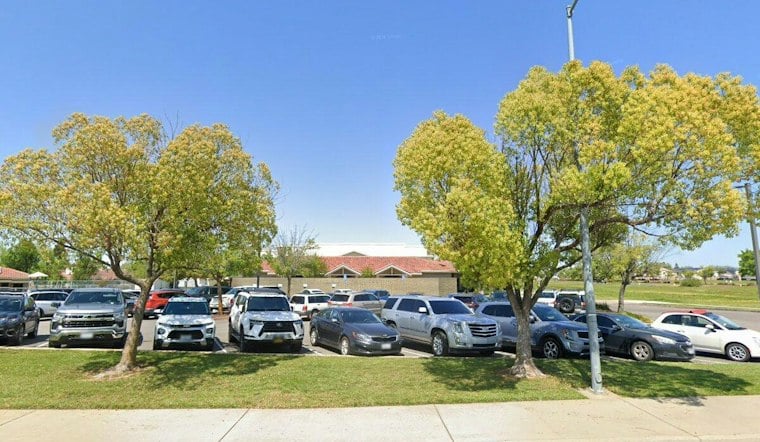
Parking remains a familiar flashpoint in these conversations. A downtown parking study conducted with the city's Economic Development Committee and UC Davis civil engineering students documented 726 total available public parking spaces in the Downtown Lincoln study area, according to the city, giving planners a baseline as they weigh lower parking requirements against resident concerns about congestion.
The downtown discussion includes local businesses and residential infill. The master plan is being developed with Opticos Design, Inc., a Berkeley-based firm, building on the city's previous downtown code audit work.
Funding the Vision With Tax Increment Financing
Turning plans into pavement and pipes requires money, and Lincoln is studying the use of an Enhanced Infrastructure Financing District to help finance downtown improvements. Under the plan, the city is exploring how an EIFD could support those improvements.
Lincoln is studying how an EIFD could help finance downtown improvements. Community outreach for Lincoln's own plan has been backed by SACOG and REAP grant funding.
What Comes Next
City planning documents schedule environmental documentation and adoption hearings for November and December 2026. Saturday's meeting represents one of the more direct opportunities for residents to influence recommendations before those drafts are finalized.



