

























































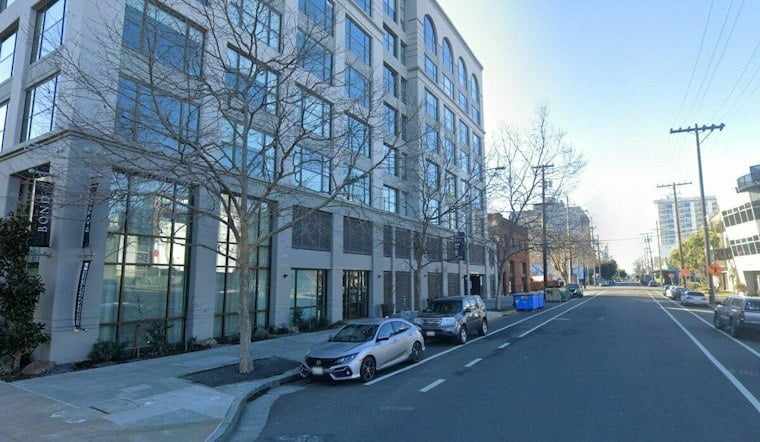
Mortgage rates have risen, complicating decisions for would-be buyers and sellers across the region.
Mortgage rates have risen, according to CBS News. That change can affect decisions about whether to move.
For the East Bay homeowner, the calculation is personal. Higher rates can complicate the math of a new mortgage.
Why So Few Homes Are Hitting the Market
On the Midpeninsula, limited inventory can keep prices elevated.
The core problem is what economists call the mortgage rate lock-in effect. Homeowners with lower fixed-rate mortgages can be reluctant to sell and take on a new loan while mortgage rates remain generally in the 6% range. Moving from a lower-rate mortgage to a new loan at rates generally in the 6% range can raise monthly costs. On the Midpeninsula, limited inventory has coincided with owners unwilling to give up legacy rates, and it echoes what Hoodline previously reported in its look at sellers who won't budge on the Midpeninsula, where persistent buyer demand keeps colliding with owners unwilling to give up legacy rates.
California's Affordability Gap
Across California, home prices remain a challenge for many buyers. High prices and interest rates generally in the 6% range have made affordability difficult across California.
The income math backs that up. Affording a median-priced single-family home in California requires substantial income to cover monthly mortgage, tax, and insurance payments, illustrating just how steep the climb is for California buyers.
A Tax Break Aimed at Sellers Like D'Orazi
One factor that could be relevant to D'Orazi is California's Proposition 19. For longtime homeowners considering a move, the law may affect property-tax calculations.
The statewide housing shortage remains a challenge.
The broader trend lines reflect current supply-demand imbalances. A Public Policy Institute of California analysis found that the median age at which Californians reach majority homeownership rose from 41 in 2009 to 47 in 2026, a shift Hoodline covered in an earlier report on delayed homeownership, compared with a national median of 36. On the Midpeninsula, persistent buyer demand keeps colliding with sellers who won't part with their legacy mortgage rates, a dynamic that has kept single-family inventory tight and values elevated even as borrowing costs climb.





