

























































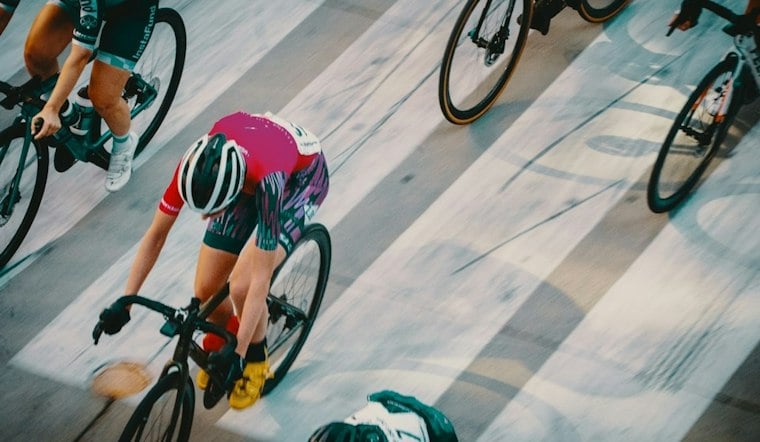
Cyclists, runners and walkers of every skill level are converging on Grace Gardens this Sunday for the 2026 Chile Pepper Challenge, a decades-old El Paso cycling tradition that this year is raising money for the Alzheimer's Association West Texas Chapter. The event, hosted by the El Paso Bicycle Club, offers four cycling routes, a 5-mile family fun ride and a 5K walk/run, welcoming everyone from serious endurance riders to families out for a casual morning.
The beneficiary choice carries real weight for the borderland. El Paso County ranked 10th highest in the nation for Alzheimer's disease prevalence among seniors 65 and older in 2026, with 15% of the county's older adult population diagnosed with the condition, according to the Paso del Norte Community Foundation. That local statistic sits inside a much larger statewide picture: Alzheimer's Association data released in 2025 found that roughly 459,000 Texas residents aged 65 and older are living with Alzheimer's, leaning on more than 1 million unpaid family caregivers for support, as reported by KDFW FOX 4.
As KVIA ABC-7 reports, the Chile Pepper Challenge Charity Ride & 5K Walk/Run is scheduled for Sunday, September 27, at Grace Gardens, welcoming cyclists, runners, walkers, families and friends alike. Every participant receives a finisher medal, and shirts are available to the first 500 registered participants. Organizers are offering live music, food and cold beverages once riders and runners cross the finish line.
Routes for Every Rider, From Beginners to Century Veterans
The event's four cycling routes launch on staggered schedules, according to RunSignup: the 62-mile Habanero Ride departs at 7 a.m., the 40-mile Chile Rojo Ride at 7:30 a.m., the 25-mile Chile Verde Ride at 8 a.m., and the 5-mile Family Fun Bell Pepper Ride at 8:30 a.m. A 5K walk/run follows at 9 a.m., rounding out a morning built to accommodate everyone from endurance cyclists to casual walkers.
This marks the second consecutive year organizers have included the 5K walk/run, a move meant to promote community health and give family members something to do besides waiting around for cyclists to finish their courses, per the same registration listing. Rest stops stocked with water, snacks and porta-potties are spaced roughly every 15 miles along the courses, with four stops supporting the 62-mile route and two along the 25-mile ride.
A Ride Rooted in El Paso Bicycle Club History
The Chile Pepper Challenge didn't start as a charity spectacle. It began in the 1980s as an organized century ride for El Paso Bicycle Club members and eventually grew into a major regional draw that once pulled nearly 1,000 cyclists through the Mesilla Valley before a hiatus and later revival, according to the club's own event history. The traditional routes still wind past pecan orchards and chile fields stretching across Texas and New Mexico farmland.
The El Paso Bicycle Club has more than 1,000 members listed on its Meetup page and hosts free weekday and weekend group rides open to the public, per the El Paso Bicycle Club's Meetup listing. Beneficiaries have shifted from year to year — the 2025 edition, also held at Grace Gardens, brought together more than 350 cyclists, runners and families to raise money for cardiac care programs at University Medical Center of El Paso, according to the University Medical Center Foundation of El Paso.
Local Bike Shops Pitch In for Packet Pickup
Early packet pickup for the 2026 race began September 19 at locations across El Paso, per KVIA ABC-7's local reporting. During the week leading up to the event, pickup sessions were hosted across several local cycling shops, including Trek El Paso, Podium Finish, Crazy Cat Cyclery, La Wheela, Desert Fox Cyclery and Border Bicycle, according to a video posted by La Wheela. Registration remains open through the day of the event, and organizers are still seeking volunteers to help staff rest stops and support the courses.
Exercise and Brain Health
The timing of an Alzheimer's-focused fundraiser built around cycling and running isn't incidental to the science. Regular physical activity is one way to support brain health; a 150-minute weekly activity target is also discussed in connection with dementia risk. For a county already grappling with one of the nation's highest Alzheimer's rates among seniors, the event aims to raise both money and awareness.



